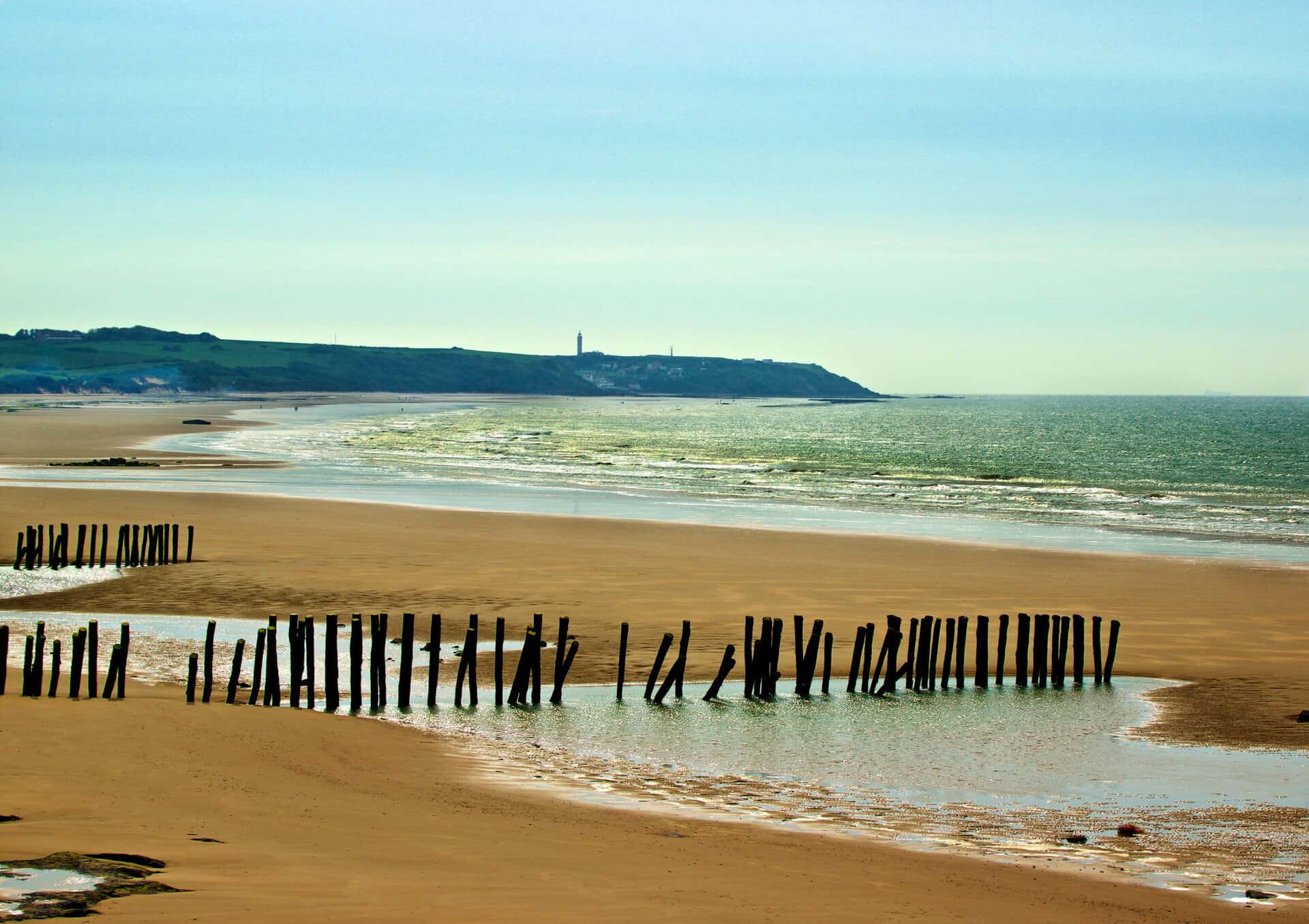


Nord-Pas-de-Calais, a region often overlooked by tourists, offers a wealth of attractions for those seeking a unique and authentic French experience. Located in the northern part of France, bordering Belgium, this region is known for its rich history, industrial heritage, and stunning natural beauty.
With its blend of medieval towns, bustling cities, and picturesque countryside, Nord-Pas-de-Calais offers something for everyone. From the vibrant city of Lille, with its Flemish Renaissance architecture and world-class museums, to the historic coastal town of Calais, with its beautiful beaches and fascinating maritime history, there is no shortage of things to see and do.
One of the highlights of Nord-Pas-de-Calais is its industrial heritage. The region was once a major centre of textile production and mining, and many of its industrial sites have been preserved and transformed into cultural attractions. Visitors can explore the Lens Mining Museum, learn about the region’s textile history at the La Piscine Museum in Roubaix, or visit the La Coupole, a former underground missile base.
In addition to its historical and cultural attractions, Nord-Pas-de-Calais is also home to stunning natural landscapes. The region is dotted with charming villages, rolling hills, and picturesque countryside. Visitors can enjoy hiking, cycling, or simply relaxing in the peaceful surroundings of the Parc naturel régional des Caps et Marais d’Opale.
Table of Contents
Top Places To Visit in Nord-Pas-de-Calais!
Nord-Pas-de-Calais, a region often overlooked by tourists, offers a wealth of attractions for those seeking a unique and authentic French experience. From historic cities to stunning natural landscapes, this region has something to offer everyone.
Nord-Pas-de-Calais’s Old Lille
Resembling those squares from Downtown Abbey, the Old Lille is the Nord-Pas-de-Calais’s capital, and it has a distinguished look and sense to most large French cities. This is mainly because the city has not always been French! There is a strong Flemish influence on the city, which can be seen in buildings like the Place aux Oignons.
Unlike many large French cities, Old Lille possesses a distinctive character shaped by its rich history. For centuries, this region was part of the County of Flanders, a powerful and culturally rich entity. This Flemish influence is evident in the architecture, most notably in the Place aux Oignons (Onion Square), a striking square named for its onion-shaped spire and characterised by its distinctive Flemish style.
One of the highlights of Old Lille is the Grand Place, a grand square surrounded by historic buildings. The most notable structure in the square is the Vieille Bourse (Old Stock Exchange), a breathtaking example of Flemish Mannerism. Dating back to the mid-17th century, this magnificent complex comprises 24 identical buildings surrounding an arcaded courtyard. The Vieille Bourse offers a fascinating glimpse into Lille’s rich commercial past.
Within the Vieille Bourse, you’ll discover a lively second-hand book market, where bibliophiles can browse a vast array of books, maps, and prints. The peaceful atmosphere of the courtyard is often punctuated by the friendly chatter of locals playing chess, adding to the charming ambiance.
For art enthusiasts, Lille offers a wealth of museums. The Palais des Beaux-Arts (Museum of Fine Arts), one of the largest and most prestigious art museums in France, is a must-visit. Housed in a grand building, the museum boasts a remarkable collection of paintings from medieval, Renaissance, and Baroque periods. The exceptional quality and breadth of the collection will captivate any art lover.
Beyond Old Lille, in the neighbouring city of Roubaix, lies another remarkable museum, La Piscine. This art and industrial museum is housed in a beautifully restored former municipal swimming pool built by architect Albert Baert in the 1920s and 1930s. The unique setting, with its elegant architecture and evocative atmosphere, creates a captivating backdrop for the museum’s impressive collection of art and industrial objects.
Nausicaä Centre National de la Mer, Boulogne-sur-Mer
Stepping into Nausicaä is like entering a different world. The vast space, spanning an impressive 5,000 square metres, houses a remarkable collection of marine life. Visitors can wander through various themed areas, each dedicated to a specific marine ecosystem.
The “Open Sea and California Pools” are a particular highlight, offering a glimpse into the fascinating world of sharks. Visitors can marvel at the sleek grace of sand tiger sharks, the striking patterns of leopard sharks, and the powerful presence of grey reef sharks. These sharks are typically displayed in separate tanks, each replicating their natural habitat, allowing visitors to appreciate the unique characteristics of each species.
For younger visitors, a touch pool offers a unique opportunity to interact with smaller, more docile shark species. Children can gently touch the smooth skin of bamboo sharks or smooth-hound sharks, gaining hands-on experience with these fascinating creatures.
Beyond sharks, Nausicaä features a diverse range of marine life, including penguins, sea turtles, jellyfish, and various types of fish. The penguin enclosure is a particular favourite, as visitors can watch these charismatic birds waddle, swim, and dive with effortless grace.
Throughout the day, Nausicaä hosts engaging feeding demonstrations for its inhabitants. These demonstrations offer a fascinating insight into the feeding behaviours and dietary requirements of different species. Watching a group of penguins devour their lunch or witnessing a shark gracefully snatch a fish from its tank is a truly memorable experience.
Nausicaä is more than just an aquarium; it is a centre dedicated to promoting marine conservation and education. The centre’s exhibits and programmes aim to raise awareness about the importance of protecting our oceans and the creatures that call them home.
Nausicaä’s mission is to inspire awe and wonder in visitors and foster a deeper appreciation for the intricate beauty and fragility of the marine environment. Whether you are a seasoned marine enthusiast or simply looking for a captivating and educational day out, Nausicaä Centre National de la Mer is an unforgettable experience.
Cité Souterraine de Naours
Located in the Somme department, the Cité Souterraine de Naours is a vast network of medieval tunnels and galleries that stretch for over two kilometres. These tunnels were originally constructed as quarries, providing building materials for the region. However, their purpose evolved during times of conflict, transforming into vital shelters for local populations.
Stepping into the Cité Souterraine is like stepping back in time. As you descend 30 metres below the surface, you’re greeted by a cool, subterranean world. The air is still, and the temperature remains a constant 9.5°C year-round, a testament to the earth’s insulating properties.
The tunnels were meticulously designed to accommodate up to 650 people, providing essential shelter and safety during times of war. Inside, you’ll discover a network of interconnected galleries, each with its own unique character and history. Some galleries were used for storage, while others served as living quarters, complete with makeshift kitchens and sleeping areas.
A guided tour through the Cité Souterraine de Naours provides a fascinating insight into the lives of those who sought refuge in these tunnels. You’ll learn about their challenges, their ingenuity, and the sense of community that blossomed within the darkness.
The tour guides, often local historians, are passionate about sharing their knowledge and bringing this hidden world to life. They recount tales of the people who lived in the tunnels, their struggles and triumphs, painting a vivid picture of life beneath the surface.
Exploring the Cité Souterraine de Naours is not just about delving into the region’s history, it’s also about appreciating the remarkable resilience of the human spirit. The tunnels serve as a poignant reminder of the importance of community, resourcefulness, and hope, even in the face of adversity.
Arras: How Beautiful!

Nestled in the heart of the Artois region, Arras is a city that effortlessly blends historical charm with modern vibrancy. It is a place where magnificent architecture, cobbled streets, and a rich cultural heritage coalesce to create a truly captivating experience.
The city’s origins can be traced back to Roman times, and its history is evident in every corner. Arras was once a flourishing centre of commerce and trade, and its strategic location made it a focal point for numerous battles and sieges. These tumultuous periods have left their mark on the city’s landscape, with many of its buildings bearing the scars of conflict.
One of the most striking aspects of Arras is its architectural splendour. The city is home to several remarkable squares, each with its own unique character. The Grand Place, a UNESCO World Heritage Site, is a masterpiece of Flemish architecture. Surrounded by elegant guild halls and adorned with ornate facades, it is a testament to the city’s prosperous past. Another notable square is Place des Héros, which boasts a grand monument dedicated to the heroes of the First World War.
Scattered throughout the city are exquisite houses, each a testament to the skill and artistry of the region’s craftsmen. Many of these buildings date back to the 17th and 18th centuries, and they are adorned with intricate details, including ornate windows, sculpted doorways, and delicate balconies. These architectural gems offer a glimpse into the lives and times of the people who once inhabited them.
A pivotal landmark in Arras is the Cathédrale d’Arras, a majestic cathedral that stands as a beacon of faith and beauty. Originally an abbey church dedicated to Saint-Vaast, it was rebuilt in the 18th century in a breathtaking Neoclassical style. The cathedral’s imposing façade, with its towering columns and intricate carvings, is a testament to the skill of the architects of the era. Inside, the cathedral boasts a beautifully decorated interior, adorned with stained glass windows, ornate murals, and a magnificent pipe organ.
Arras is a city that is alive with cultural heritage. Throughout the year, the city hosts a vibrant array of events, including festivals, concerts, and exhibitions. The Arras International Puppet Festival is a highlight of the cultural calendar, attracting performers and audiences from across the globe. The city also boasts a thriving arts scene, with numerous galleries and theatres showcasing the work of local and international artists.
Calais
Calais, a historic port city situated on the northern coast of France, has played a pivotal role in shaping the relationship between England and the Continent for centuries. Its strategic location on the English Channel has made it a vital hub for trade, travel, and cultural exchange, leaving an indelible mark on its landscape and heritage.
Since the Middle Ages, Calais has been a bustling gateway to England. Its rich history is evident in its architectural gems, including the imposing Citadel, which was built by the Spanish in the 16th century and served as a symbol of their dominance over the region. Today, it stands as a testament to the city’s turbulent past and offers breathtaking views of the coastline.
One of the most prominent landmarks in Calais is the UNESCO-listed Hôtel de Ville (Town Hall). This magnificent building, a masterpiece of Flemish Renaissance architecture, showcases the city’s artistic and cultural heritage. Its construction spans several centuries, with François I building the south wing from 1535 to 1551, followed by Henry IV and Louis XIII, who completed the north wing between 1605 and 1628. The Hôtel de Ville is not only a striking example of architectural artistry, but it also houses a collection of historical artefacts and artworks, offering a glimpse into the city’s evolution.
For those seeking a modern perspective on travel, Calais provides a convenient gateway to England via the Channel Tunnel. This remarkable feat of engineering connects Coquelles in France to Folkestone in England, allowing for a seamless high-speed journey on the Eurostar train. The journey from Calais to London takes around 1 hour and 20 minutes, making it a popular choice for both business travellers and tourists.
If you prefer a more traditional approach to crossing the English Channel, ferries offer a scenic alternative. The journey from Calais to Dover takes around 1 hour 45 minutes to 2 hours, providing a chance to enjoy the beauty of the coastline and experience the thrill of sea travel.
Beyond its port and historical significance, Calais offers a wealth of attractions for visitors. The city boasts a charming old town with cobbled streets lined with traditional shops and restaurants. A stroll through its historic centre unveils hidden courtyards, picturesque squares, and charming boutiques.
Dunkerque: A City Steeped in History

Dunkerque, a coastal city in northern France, is steeped in history and offers a unique blend of natural beauty, cultural attractions, and poignant reminders of the past. The city’s most famous historical event was the Dunkirk evacuation during World War II when Allied forces were rescued from the beaches by a fleet of civilian boats.
This heroic feat, known as the Miracle of Dunkirk, is commemorated in the city’s museums and memorials. The Dunkirk Museum, located in the former railway station, tells the evacuation story through exhibits, artefacts, and personal accounts. Visitors can also explore the Dunkirk Memorial, a poignant tribute to the rescued soldiers.
Beyond its wartime history, Dunkerque offers a range of cultural attractions. The Maritime Museum is a fascinating place to learn about the city’s maritime heritage, with exhibits on fishing, shipbuilding, and the city’s role in the slave trade. The Citadel of Dunkerque, a 17th-century fortress, provides panoramic views of the city and the English Channel.
Dunkerque is also a popular destination for beach lovers. The city’s beaches offer a peaceful and relaxing atmosphere, perfect for swimming, sunbathing, or enjoying fresh sea air. Several restaurants and cafes along the beachfront serve delicious seafood and stunning views.
In addition to its historical and cultural attractions, Dunkerque is also a gateway to the French Opal Coast. This region is known for its beautiful beaches, charming fishing villages, and stunning natural scenery. Visitors can explore the nearby towns of Calais, Boulogne-sur-Mer, and Le Touquet-Paris-Plage, each with its own unique character and attractions.
A Glimpse into the Cold War: La Coupole
La Coupole, a former underground missile base located in Saint-Omer, Nord-Pas-de-Calais, offers visitors a unique opportunity to explore a piece of Cold War history. This massive structure, built beneath a hill, was designed to house French nuclear missiles and served as a strategic military installation during the Cold War.
Today, La Coupole has been transformed into a fascinating museum that provides a glimpse into the tensions and anxieties of the era. Visitors can explore the vast underground chambers, learn about the construction of the base, and discover the role it played in France’s nuclear deterrent strategy.
One of the highlights of La Coupole is the launch silo, a massive cylindrical chamber that was designed to hold and launch a nuclear missile. Visitors can descend into the silo and get a sense of its immense size and the power it once possessed. The museum also features exhibits on the history of nuclear weapons, the Cold War, and the impact of these events on society.
In addition to the museum, La Coupole offers visitors a variety of other activities. There is a planetarium that hosts shows on astronomy and space exploration, as well as a 3D cinema that screens films related to the museum’s themes. Visitors can also enjoy a picnic in the surrounding park or take a guided tour of the site.
La Coupole is a must-visit for anyone interested in history, science, or the Cold War. It offers a unique and thought-provoking experience that provides valuable insight into a pivotal period in world history.
Nord-Pas-de-Calais, a region rich in history, culture, and natural beauty, offers a diverse range of attractions for visitors. From the vibrant city of Lille to the historic coastal town of Calais, there is something to appeal to everyone. Whether you are interested in exploring museums, discovering the region’s industrial heritage, or simply enjoying the beautiful countryside, Nord-Pas-de-Calais is a destination that will leave a lasting impression.