


Article Summary
What this article covers: The main things to do in Zurich, from the Old Town churches and museums to Lake Zurich and Uetliberg, with the city’s Irish connections, seasonal advice and practical tips for planning a visit.
Who this is for: First-time visitors planning a Zurich city break, travellers from Ireland and the UK looking for practical planning detail, and culturally curious readers interested in the Irish thread in Swiss history.
Key takeaway: Most of what visitors come to Zurich for sits within walking distance of the main railway station, and the city also holds two strong Irish connections: James Joyce’s grave at Fluntern and the Irish monk who gave St Gallen its name.
Expert insight: “Zurich is often described as a banking city, but the better reason to go is how much history you can reach on foot from the station, from the Roman hill at Lindenhof to the churches facing each other across the Limmat. Irish visitors will find part of their own story there as well, in Joyce’s grave above the zoo and in an abbey an hour away that grew from an Irish monk’s hermitage.”, Ciaran Connolly, Founder of ConnollyCove
Quick facts:
- Zurich lies at the northern end of Lake Zurich, where the River Limmat leaves the lake, at an altitude of about 408 metres.
- The Roman settlement on the Lindenhof hill was known as Turicum, the origin of the city’s modern name.
- James Joyce died in Zurich in January 1941 and is buried in Fluntern Cemetery, beside Zurich Zoo.
Table of Contents
Things to do in Zurich range from medieval churches and Roman remains in the Old Town to lake cruises, art museums and a mountain viewpoint reached by train in about twenty minutes. Zurich is the largest city in Switzerland, and its compact centre means a first-time visitor can see the main landmarks in two or three days without hiring a car. For readers coming from Ireland, the city has an extra pull, as it is where one of Dublin’s best-known writers spent his last years, a story that links neatly with Dublin’s own literary sites.
ConnollyCove is an Ireland-based travel and culture platform, and this guide approaches Zurich the way we approach every destination, by looking at the stories behind the sights as well as the practical details of getting there. If you are comparing Swiss destinations before you book, our guide to the best Swiss city breaks sets Zurich alongside Lucerne, Basel and Geneva, and our broader overview of where to go in Switzerland covers the mountain resorts.
Zurich is in northern Switzerland, close to the German border

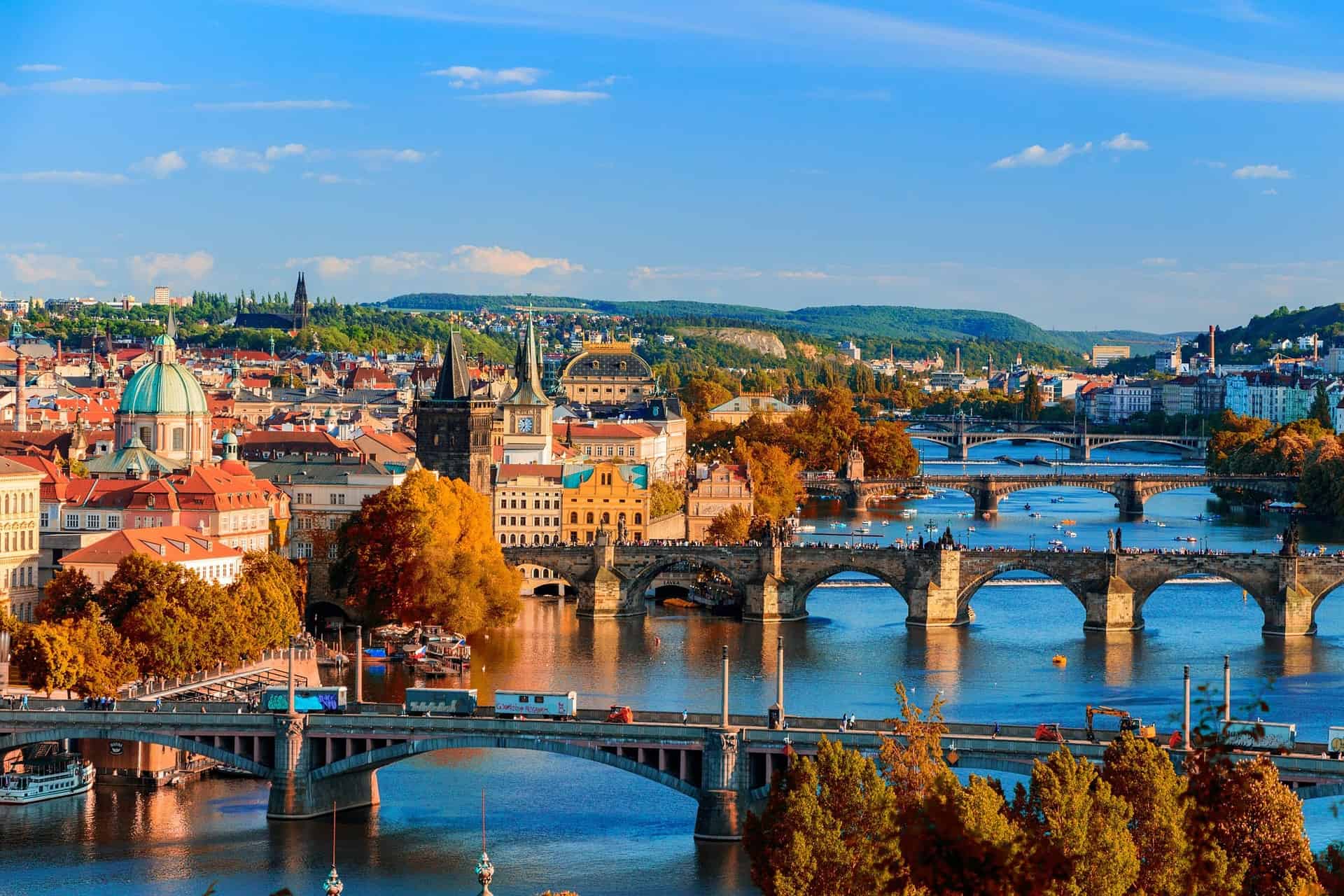
Zurich is located in the north of Switzerland, about 30 kilometres north of the Alps and not far from the border with Germany. The city sits at the northern tip of Lake Zurich, and the River Limmat runs through its centre, dividing the Old Town into two halves that visitors cross many times a day. German is the official language, and in everyday speech locals use Swiss German, known in the city as Züritüütsch.
The history of Zurich goes back around two thousand years to the Romans, who established a customs post called Turicum on the hill now known as Lindenhof. The medieval town grew around the river crossing, and Zurich later became one of the centres of the Protestant Reformation in the sixteenth century under the preacher Huldrych Zwingli. The Swiss Federal Institute of Technology, known as ETH Zurich, was founded in 1855 and remains one of the reasons the city is known well beyond Switzerland.
Travellers exploring the city today will find that Zurich is known for its lakeside setting, its museums and its high quality of life, as well as for banking. The Zurich Film Festival, held each autumn, adds to a cultural calendar that includes opera, theatre and a busy summer of open-air swimming.
The Old Town holds the landmarks most visitors come to see
The Old Town, or Altstadt, is where to start, because Zurich’s best-known landmarks stand within a few minutes’ walk of each other on both banks of the Limmat. Allow at least half a day to walk it properly, crossing the river at the Münsterbrücke to move between the two great churches.
Grossmünster
The Grossmünster is the twin-towered church that appears in most photographs of Zurich, and it is the city’s best-known landmark. It is a Romanesque building constructed between the eleventh and thirteenth centuries, and its distinctive domed tops were added to the towers in the late eighteenth century. Local tradition links the site to Felix and Regula, the city’s patron saints, and the church is closely associated with Zwingli, who preached here when the Reformation began in Zurich.
When you visit, look for the modern bronze doors, the carved Romanesque capitals and the crypt, which is the oldest part of the church. Visitors who are happy with steep stairs can climb one of the towers for a view over the rooftops and the lake.
Fraumünster and its Chagall windows
The Fraumünster stands opposite the Grossmünster on the west bank, and it is best known for its stained glass. The name means “women’s minster”, referring to the abbey founded on the site in 853 for a community of noblewomen. The church has a Romanesque chancel and a Gothic nave built between the thirteenth and fifteenth centuries.
In the chancel, Marc Chagall designed a set of five stained-glass windows that were installed in 1970, and the north transept holds a large window by the Swiss artist Augusto Giacometti. The abbey itself was dissolved during the Reformation, and its remaining buildings were later demolished, although parts of the cloister survive.
St Peter’s Church and Lindenhof
St Peter’s Church is a short walk uphill from the Fraumünster and is often described as Zurich’s oldest parish church. Its tower carries a clock face 8.7 metres in diameter, which is widely cited as the largest church clock face in Europe. Inside, the Romanesque choir beneath the tower dates from the thirteenth century, while the three-aisled nave is Baroque.
Lindenhof is the tree-lined hill just north of St Peter’s, between Bahnhofstrasse and the left bank of the Limmat. The Romans built a fort here in the fourth century, and a royal residence later stood on the site. Although it is a quiet square today, it has hosted important ceremonies, including the oath to the Helvetic Constitution in 1798. The view across the river to the Old Town and the university is one of the easiest in the city to reach, and it costs nothing.
Bahnhofstrasse
Bahnhofstrasse is Zurich’s main shopping street, running from the central railway station to the lake. It is lined with trees and with jewellers, watchmakers and fashion houses, and trams run along the middle of the street rather than cars. Notable buildings include the Hotel Baur en Ville, which dates from 1838. The street is at its busiest in December, when the Christmas lights are up, and walking its length is one of the simplest ways to get your bearings on a first day.
Zurich’s museums cover Swiss history, fine art and world cultures
Zurich has enough museums to fill a rainy week, and four of them suit most first-time visitors. Several are within walking distance of the station, and the rest are a short tram ride away.
The Swiss National Museum is housed in a castle-like building beside the main station. Its collections include metalwork, jewellery, watches, musical instruments and costumes, along with medieval paintings and a collection of stained glass. The permanent displays trace Swiss history from early settlement through religious, political and economic change.
The Kunsthaus Zurich is one of the most important art museums in Switzerland, with collections running from the medieval period to the twentieth century. It holds a strong group of Swiss works, including paintings by Ferdinand Hodler and Henry Fuseli, alongside works by Van Gogh and Picasso. Readers who enjoy gallery visits at home can compare it with Ireland’s leading art museums.
The Rietberg Museum occupies the Villa Wesendonck, built in 1857 for a German merchant and once a meeting place for Zurich’s intellectual circle. The museum describes itself as the only Swiss museum dedicated to art from outside Europe, and its collections include Indian sculpture, Chinese and Japanese art, and works from Africa and the Americas.
The FIFA Museum opened in 2016 in the Enge district. Spread over three floors, it covers the early history of football and every World Cup since 1930, and the World Cup trophy is among its exhibits.
Lake Zurich and Uetliberg give the best views of the city

Lake Zurich and the Uetliberg are where to go when you want space and views after a morning in the Old Town. Both are easy to reach by public transport, and both show how close the city is to open countryside.
Lake Zurich
Lake Zurich is about 40 kilometres long and reaches a depth of 136 metres. Its shoreline in the city is lined with parks where locals picnic, jog and swim in summer, and boats leave from Bürkliplatz at the end of Bahnhofstrasse. On a clear day, a lake cruise gives views south towards the Glarus Alps.
At the far end of the lake, the town of Rapperswil is known as the City of Roses for its rose gardens. It also has a medieval castle, and a wooden pedestrian bridge crosses the lake between Rapperswil and Hurden. The bridge follows the route of a medieval pilgrims’ way, and a round trip by boat makes an easy half-day excursion from Zurich.
Badi culture and river swimming
Swimming is one of the most local things you can do in Zurich in summer. The city has a network of lake and river bathing spots, known locally as a “Badi”, and the river baths on the Limmat, such as the Frauenbad and the Oberer Letten, draw large crowds on warm evenings. Check opening dates before you go, as most bathing spots operate only from late spring to early autumn.
Uetliberg
Uetliberg is Zurich’s local mountain and the best place for a view over the city, the lake and the Alps. It lies to the southwest of the centre, and a railway has carried visitors towards the summit since 1875. The trip from the main station takes roughly twenty minutes.
At the top, a lookout tower gives views in daylight across the lake to the Glarus, Bernese and Valais Alps, the same mountain wall that shaped Switzerland’s long tradition of neutrality. A planetary trail runs along the ridge for walkers, and a restaurant at the summit offers views over the city lights after dark.
Zurich Zoo
Zurich Zoo sits on the Zürichberg hill to the east of the centre and is one of the best-known zoos in Europe. Its enclosures are designed around the animals’ natural habitats, including a large indoor rainforest hall based on Madagascar. The zoo also has a practical connection to the next section, as Fluntern Cemetery, where James Joyce is buried, lies just beside it.
James Joyce and the Dadaists made Zurich a literary city
Zurich’s literary history is one of the main reasons to give the city more than a weekend, and it holds a particular interest for Irish visitors. James Joyce lived in Zurich during the First World War, when he worked on large parts of Ulysses, and he returned at the end of 1940 after leaving occupied France. He died in the city in January 1941 and is buried in Fluntern Cemetery, where a seated statue of the writer stands beside the grave he shares with Nora Barnacle.
You can see this for yourself by combining a visit to the zoo with a walk through the cemetery, as the two sit side by side on the hill. In the Old Town, the Zurich James Joyce Foundation holds a research library and archive devoted to the writer. Joyce’s years abroad make most sense when set against the movement he left behind in Dublin, which our guide to the Irish Literary Renaissance explains.
Joyce was not the only notable exile in wartime Zurich. In 1916, the Cabaret Voltaire opened on the Spiegelgasse in the Old Town, and the artists and performers who gathered there launched the Dada movement. A few doors up the same lane, Vladimir Lenin lived in 1916 and 1917 before returning to Russia. The Cabaret Voltaire still operates as a venue, and walking the Spiegelgasse takes only a few minutes.
“Joyce wrote about Dublin all his life, but much of that writing was done in Zurich, and that is where he is buried. For Irish travellers, standing at his grave at Fluntern is a reminder that a great deal of our literature was written far from home, in cities that gave Irish writers room to work.”, Ciaran Connolly, Founder of ConnollyCove
Literary travellers who enjoy following writers from place to place may also like our trail in Ernest Hemingway’s footsteps, or, closer to home, a visit to Seamus Heaney HomePlace in Bellaghy. Both pair well with a Zurich trip for anyone who plans holidays around the places where writers lived and worked.
The Irish monks behind St Gallen make a rewarding day trip
St Gallen is the day trip with the strongest Irish connection, and it is roughly an hour from Zurich by direct train. The city takes its name from Gallus, an Irish monk and companion of Saint Columbanus, who settled in the Steinach valley around 612 to live as a hermit. A monastery later grew on the site, and it became one of the most important centres of learning in early medieval Europe.
The Abbey of St Gall was added to the UNESCO World Heritage List in 1983, and its Baroque library is the main reason most visitors come. The library holds early Irish manuscripts, including Latin texts annotated with glosses in Old Irish, which are among the earliest surviving written examples of the language. Readers interested in how that tradition developed at home can read our guide to the Book of Kells, as well as our look at ancient Celtic art forms, which traces the decorative style found in Irish manuscripts. The story of the Irish language since then is covered in our article on the Irish language revival.
Other day trips from Zurich are easy by rail. Lucerne, about an hour away, is the classic choice for its lakefront and covered bridges, and our guide to things to do in Lucerne covers the city in detail. For a quieter day on the same lake, a day in Seelisberg is a good alternative. Basel, on the Rhine, is known for its museums, and our guide to the best of Basel explains what to prioritise. Geneva is a longer journey to the far west of the country, so it suits a separate stay, and our Geneva guide covers what to see there.
Swiss German traditions, food and festivals shape the local calendar
Zurich’s local traditions are worth planning around, because the city’s biggest festival and its signature dish are both easy for visitors to experience. The best-known custom is Sechseläuten, the spring festival held on a Monday in April, when the guilds parade through the city, and a snowman figure called the Böögg is burned on a bonfire on the Sechseläutenplatz by the lake.
Irish readers may notice a loose parallel with Bealtaine, the Gaelic festival at the start of May that was traditionally marked with bonfires. The two customs developed separately, but both use fire to mark the end of winter and the turn towards summer.
The dish most associated with the city is Zürcher Geschnetzeltes, thin strips of veal in a cream and mushroom sauce, usually served with rösti. Chocolate is the other obvious food souvenir, and travellers with time for a longer trip can visit Maison Cailler, Switzerland’s oldest chocolate factory, or the cheese-making town of Gruyères.
For an evening out, the Zurich Opera House stages a full season of opera and ballet. The building, designed by the Viennese architects Fellner and Helmer, opened in 1891, and its façade carries busts of composers and writers.
Current conditions and seasonal information
Zurich is a year-round destination, but the best time to visit depends on what you want to do. Summer suits swimming and lake cruises, while December brings the Christmas markets. The table below summarises the general seasonal pattern; check current weather and event dates with official sources before you travel.
| Season | Weather pattern | What is on | Travel note |
|---|---|---|---|
| Spring (March to May) | Mild, changeable, with cool evenings | Sechseläuten in April; gardens in bloom | Fewer crowds before the summer peak |
| Summer (June to August) | Warmest months, with thunderstorms possible | Lake and river swimming; open-air events | Busiest period, so book accommodation early |
| Autumn (September to November) | Cooler, often clear in early autumn | Zurich Film Festival | Good walking weather for Uetliberg |
| Winter (December to February) | Cold, with occasional snow in the city | Christmas markets in December | Shorter days; some bathing spots closed |
Accommodation prices tend to rise during major trade fairs and festivals, so it is worth checking the event calendar before fixing your dates. Museums usually close one day a week, often a Monday, so confirm opening hours when planning a short stay.
Practical travel information for Irish and UK visitors
Zurich is straightforward to reach from Ireland and the UK, and a little preparation will help with costs and connectivity. Direct flights operate to Zurich Airport from Dublin and from London, and the flight from Dublin takes around two hours. Routes from Belfast and regional UK airports change by season, so check the current schedules before you book. From the airport, trains reach Zurich main station in about fifteen minutes.
Getting around the city is easy on the tram and bus network, with S-Bahn trains for longer hops such as Uetliberg. The ZürichCARD, available for 24 or 72 hours, covers public transport within the city zones, including the airport journey, and gives discounts at many museums. If you plan to travel more widely, compare it with Swiss rail passes before you buy.
Switzerland uses the Swiss franc rather than the euro, and card payments are widely accepted. Switzerland is not in the European Union, so EU roaming arrangements may not apply; check your mobile provider’s charges before you travel. Swiss sockets are Type J, and a standard two-pin European plug usually fits, but a UK plug needs an adapter.
Prices are high by Irish and UK standards, particularly for restaurants. Many of the best things to do in Zurich cost little or nothing, including walking the Old Town, visiting the churches, swimming in the lake and taking in the view from Lindenhof.
Plan your next Swiss city break
Zurich rewards visitors who look beyond its reputation for banking, with a walkable Old Town, a lake to swim in and a literary history that runs straight back to Dublin. ConnollyCove covers destinations across Switzerland and the rest of Europe, always with an eye on the cultural connections that link them to Ireland. For more ideas, browse our travel videos or start planning the next stop on your Swiss itinerary with our city guides above.
FAQs
Where is Zurich located?
Zurich is located in northern Switzerland, at the northern tip of Lake Zurich, not far from the German border. It is the country’s largest city and sits about 30 kilometres north of the Alps.
What is Zurich best known for?
Zurich is best known for its lakeside setting, its Old Town churches and its role as Switzerland’s financial centre. It is also known for its museums, the shopping street Bahnhofstrasse and its connection with James Joyce, who is buried in the city.
How many days in Zurich are enough?
Two to three days is enough for a first visit. That allows time for the Old Town, one or two museums, a lake cruise and Uetliberg, with a further day if you want a trip to St Gallen or Lucerne.
Is Zurich expensive for tourists?
Zurich is expensive by Irish and UK standards, especially for meals and accommodation. You can keep costs down with a ZürichCARD, free sights such as the churches and Lindenhof, and picnics by the lake.

We would like to plan the city break in Zurich and please send us any information in order to book,
Hi David, we have some great blogs and videos on Switzerland that you can check out.
If you are looking to book, we would recommend heading over to your preferred booking website such as TripAdvisor or Booking.com
Hope this helps 🙂