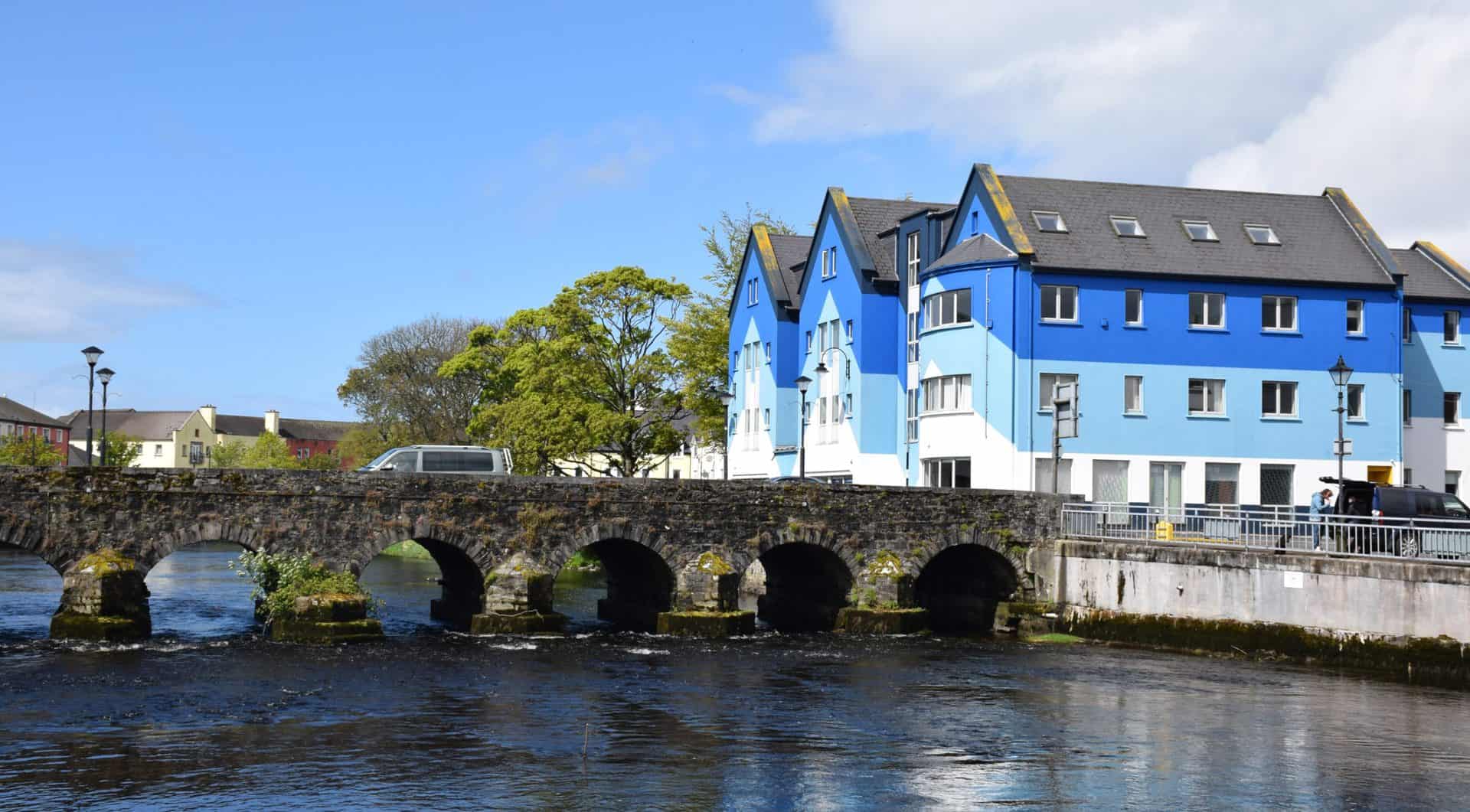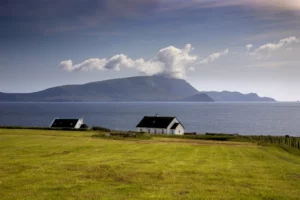


Sligo is a hidden gem in northwest Ireland often overlooked when people visit the Emerald Isle. Rich in its history, Sligo is an ideal location to experience traditional Irish culture. For this reason, we had to share our list of favourite things to do in Sligo. It would be great to get your opinion on this list. Please let us know in the comments if we have missed any places we should consider.
Table of Contents
Where to stay in Sligo?
According to TripAdvisor, the number one best-value hotel in Sligo is the Riverside Hotel, which can be booked for as cheap as £57 per night. It is an absolute steal, given how highly past guests have rated the level of service, the hotel’s cleanliness and the restaurant’s ambience, given that it looks onto An Gharbhóg (The Garavogue River). There are plenty of hotels in Sligo for you to choose from, but we can’t recommend The Riverside enough.
If you are looking for something more luxurious, there is a Radisson BLU Hotel & Spa, which can be booked for around £106 per night for a standard room or £ 124 for a premium room £. This state-of-the-art hotel is well worth its price tag due to its ideal location, close to the town centre. It also caters for weddings and corporate events.
Where to go in Sligo?
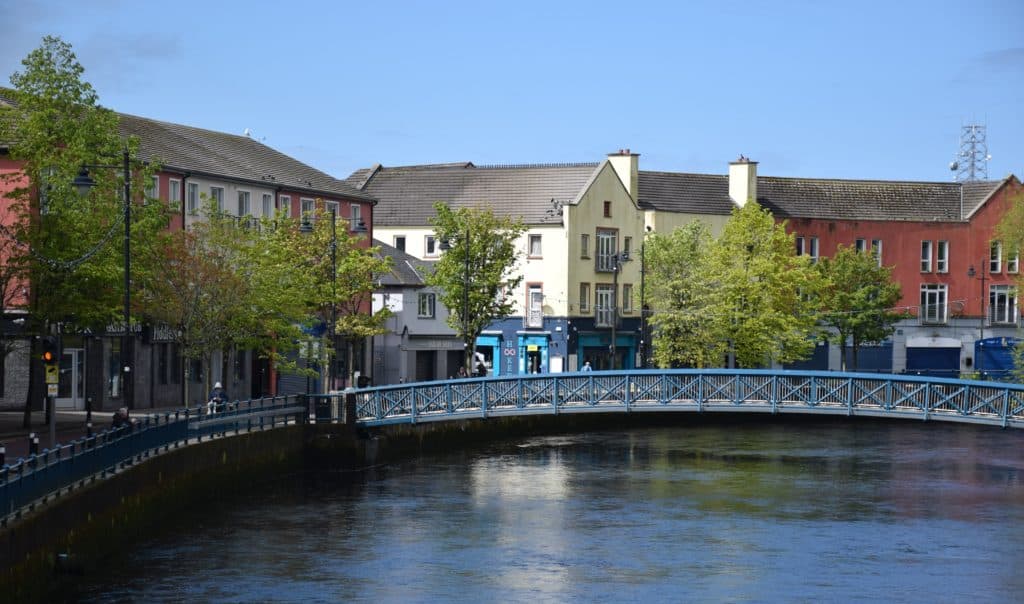
Knocknarea (Cnoc na Riabh) is a large hill west of Sligo town in Sligo, Ireland. The limestone hill is 327 metres in height. At the summit of the mountain is a mound of loose stones. Although it hasn’t been excavated, it is believed to conceal a Neolithic passage tomb. In Irish mythology, Knocknarea is the burial place of the Warrior Queen Maeve of Connacht.
Queen Maeve (Méabh) was a passionate Queen who was passionate about her land. Her warriors fought passionately for her because of her blinding beauty and power. Her name in Irish meant “mead,” a popular beverage in old Irish times, so Maeve became known as “she who intoxicates.”
She is buried standing upright, facing her enemies in Ulster, with whom she had several battles during her reign. Interestingly, her tomb has never been excavated or opened.
Another interesting historical landmark that you may come across is Sligo Abbey. It was initially built in 1253 under the instruction of Maurice Fitzgerald, Baron of Offaly. In 1414, it was destroyed by a fire, ruined during the Nine Years’ War in 1595, and then again in 1641 during the Ulster Uprising. Despite the Abbey’s violent past, much of it has survived and been preserved, and in it, you will find many carvings and Gothic and Renaissance tomb sculptures.
Glencar Waterfall, in County Leitrim, is situated northeast of Sligo town centre and is a stunning site. What could be more relaxing than walking or driving through this peaceful environment surrounded by breathtaking natural artefacts?
Apart from its astonishingly fascinating history, Sligo has a beautiful riverside, with many bars and shops in the town centre. The people couldn’t be friendlier and more welcoming, so you would feel right at home. All of these advantages contribute to offering many things to do in Sligo.
History of Sligo, Ireland
St. Patrick visited Sligo twice and lived there for around seven years, bringing Christianity to the settlers. Some of the earliest churches established by St Patrick were at Kilnamanagh and Killala. However, many churches founded in Sligo were destroyed by Vikings in 807, when up to 5,000 of them landed northeast of the town.
Moving on to more recent times, Sligo was struck with disaster when a cholera epidemic in 1832 claimed more lives in Sligo than anywhere else in the four provinces. Bram Stoker (the author of Dracula) was inspired by his mother, who was from Sligo and used to tell him stories about coffin makers knocking on doors at night looking for corpses and of victims being buried alive.
The famine in 1847 saw Sligo move into a severe decline when the potato crop failed, and the population declined. It soon became a ghostland with a scattered population, few children, and bare fields. One newspaper was said to have coined the phrase, ‘Sligo is no more.’
The history of this town is fascinating. A trip around the town to explore its history is one of the most amusing things to do in Sligo.
The Weather in Sligo

No matter what time of year it is in Sligo or most places in Ireland, there is always a chance of rain. If you are visiting, please pack a rain jacket and bring an umbrella. Even if it is sunny in the morning, the weather can be sporadic throughout the day.
Sligo also tends to be quite humid, especially during the summer months. It’s not all doom and gloom; Sligo has its good days. In July and August, temperatures generally reach around 22 – 28 degrees Celsius. Visiting Sligo when the sun is shining and the temperatures are high will make for some great photo opportunities.
Language and Culture
Sligo is a great place to experience authentic Irish culture. It is mainly spoken English but also has a few Gaelic speakers. Sligo is a place to set down the iPads and iPhones and engage with the beautiful nature.
Things to do in Sligo
Explore Benbulben Mountain
No visit to Sligo would be complete without witnessing the awe-inspiring Benbulben Mountain. Often referred to as Ireland’s ‘Table Mountain’, this distinctive flat-topped peak is part of the Dartry Mountains and symbolises Sligo’s dramatic landscape.
Hiking Benbulben
For those looking to get up close and personal with Benbulben, there are several hiking trails of varying difficulty. The Benbulben Forest Walk is one of the most accessible routes, offering breathtaking mountain views and the surrounding countryside. For the more adventurous, the Benbulben Head Loop provides a more challenging trek with rewarding panoramic vistas from the summit.
Mythology and History
Benbulben is steeped in mythology and history. It is said to be the hunting grounds of the legendary hero Fionn mac Cumhaill and his warriors, the Fianna. The mountain is also prominently featured in the poetry of W.B. Yeats, who was deeply inspired by Sligo’s landscapes.
Visit the W.B. Yeats Grave
Literature enthusiasts must visit W.B. Yeats’s grave. The Nobel Prize-winning poet is buried in the churchyard of Drumcliffe Church, located at the foot of Benbulben.
Drumcliffe Church and Round Tower
The site itself is historically significant, featuring a round tower and the remains of a high cross. The tranquil setting provides a fitting resting place for Yeats, whose epitaph, “Cast a cold eye on life, on death. Horseman, pass by!” captures the enigmatic essence of his work.
Discover Sligo Abbey
For a journey back in time, Sligo Abbey offers a fascinating glimpse into medieval Ireland. Founded in the mid-13th century by Maurice FitzGerald, this Dominican friary is the only medieval building in Sligo to survive the ravages of time and conflict.
Architectural Highlights
The abbey boasts remarkable carvings, including Gothic and Renaissance tomb sculptures, a well-preserved abbey, and a 15th-century high altar. One of the most notable features is the tomb of Cormac O’Crean, adorned with a detailed effigy of the knight.
Guided Tours
To fully appreciate the history and significance of Sligo Abbey, consider taking a guided tour. Knowledgeable guides provide insights into the abbey’s history, architecture, and the daily lives of the monks who once lived there.
Enjoy Strandhill Beach
For those who love the sea, Strandhill Beach is a perfect destination. Located just a short drive from Sligo town, this vibrant seaside village is a haven for surfers, walkers, and anyone looking to soak up the coastal atmosphere.
Surfing and Water Sports
Strandhill is renowned for its excellent surfing conditions, attracting surfers from all over Ireland and beyond. Several surf schools offer lessons for beginners, making it a great place to catch your first wave. In addition to surfing, you can also try kite surfing, paddleboarding, and other water sports.
Relaxation and Wellness
If you prefer a more relaxing experience, Strandhill has you covered. Indulge in a seaweed bath at Voya Seaweed Baths, where the therapeutic properties of hand-harvested seaweed are used to rejuvenate your skin and relax your muscles. Afterwards, stroll along the beach and enjoy the fresh sea air.
Explore Carrowmore Megalithic Cemetery
Sligo is home to Carrowmore, one of the largest and oldest megalithic cemeteries in Ireland. This ancient site dates back to around 3700 BC and consists of over 30 tombs, making it a treasure trove for archaeology enthusiasts.
Guided Tours and Exhibits
To truly appreciate the significance of Carrowmore, join a guided tour led by knowledgeable archaeologists. They will explain the tombs’ history, construction, cultural importance, and the latest discoveries and theories. The visitor centre also features informative exhibits and displays, providing additional context and insight.
Scenic Surroundings
Carrowmore is set in a picturesque landscape, with views of Knocknarea Mountain and the surrounding countryside. After exploring the tombs, take some time to enjoy the serene beauty of the area.
Hike Knocknarea Mountain
For another memorable hiking experience, head to Knocknarea Mountain. This iconic peak is topped by the impressive cairn of Queen Maeve, a legendary figure in Irish mythology.
The Queen Maeve Trail
The most popular route to the summit is the Queen Maeve Trail, a well-marked path that winds through forests and open moorland. The hike is moderate in difficulty and takes 1.5 to 2 hours to complete. At the top, you will be rewarded with stunning views of Sligo Bay, the Ox Mountains, and the surrounding countryside.
Queen Maeve’s Cairn
The large cairn at the summit is said to be the burial place of Queen Maeve, a warrior queen from Connacht. Although the cairn has never been excavated, its presence adds a sense of mystery and intrigue to the hike.
Experience Sligo’s Music and Arts Scene
Sligo has a rich cultural heritage, particularly in music and the arts. The county is renowned for its traditional Irish music, and numerous opportunities exist to experience live performances and cultural events.
Traditional Music Sessions
Many pubs in Sligo town and the surrounding villages host regular traditional music sessions, where local musicians gather to play lively jigs, reels, and ballads. Hargadon Bros and Thomas Connolly’s are two popular venues in Sligo town to enjoy an authentic musical experience.
The Hawk’s Well Theatre
For a more formal cultural experience, the Hawk’s Well Theatre in Sligo Town offers diverse performances, including theatre, music, dance, and comedy. Check their schedule for upcoming shows and events during your visit.
Visit Lissadell House and Gardens
Lissadell House is a historic mansion set in a picturesque estate overlooking Sligo Bay. Built in the 1830s, it was the childhood home of Constance Markievicz, a prominent figure in Irish history and one of the leaders of the 1916 Easter Rising.
House Tours
Guided tours of Lissadell House provide a fascinating insight into the lives of those who lived and worked there. The tour includes the beautifully restored rooms, including the impressive dining room, the library, and the drawing room. You will also learn about the Gore-Booth family, who owned the estate, and their contributions to Irish history and culture.
Gardens and Grounds
The estate’s gardens are a highlight of any visit to Lissadell. The Alpine Garden, the Victorian Kitchen Garden, and the Pleasure Grounds are meticulously maintained and offer a tranquil setting for a stroll. The estate also has a private beach, where you can enjoy a peaceful walk along the shore.
Explore the Wild Atlantic Way
Sligo is part of the Wild Atlantic Way, a stunning coastal route that stretches along the west coast of Ireland. Exploring this scenic route is a must for any visitor to Sligo, which offers breathtaking views, charming villages, and numerous attractions.
Mullaghmore Head
One of the highlights of the Wild Atlantic Way in Sligo is Mullaghmore Head. This dramatic headland offers spectacular views of the Atlantic Ocean, with towering sea cliffs and crashing waves. Thanks to its world-class waves, the area is also popular with surfers.
Streedagh Beach
Streedagh Beach is another must-visit spot along the Wild Atlantic Way. This long, sandy beach is backed by dunes and offers stunning views of Donegal Bay. It’s an excellent place for walking, swimming, relaxing, and enjoying the scenery.
Take a Boat Trip on Lough Gill
Lough Gill is a picturesque lake located just east of Sligo town. It is famous for associating with W.B. Yeats, who wrote about the lake and its enchanting islands in several poems.
Boat Tours
A boat tour is one of the best ways to experience Lough Gill. Several operators offer guided lake tours, commenting on the area’s history, wildlife, and folklore. The tours often include visiting the Isle of Innisfree, the inspiration for Yeats’s famous poem “The Lake Isle of Innisfree.”
Watersports and Fishing
Lough Gill is also a popular spot for watersports, including kayaking, paddleboarding, and fishing. The lake is home to various fish species, including pike, perch, and brown trout, making it an excellent destination for anglers.
Explore the Town of Sligo
Sligo town is vibrant and bustling, with various attractions, shops, and eateries to explore. Spend time wandering the streets, soaking up the atmosphere, and discovering the town’s hidden gems.
The Model, Home of the Niland Collection
Art lovers should not miss The Model, one of Ireland’s leading contemporary arts centres. It houses the Niland Collection, which includes works by Jack B. Yeats, Paul Henry, and other notable Irish artists. The centre also hosts temporary exhibitions, performances, and educational programmes.
Sligo County Museum
Visit the Sligo County Museum to understand Sligo’s history and culture better. The museum features a range of exhibits, including artefacts from the Stone Age, medieval times, and the 19th and 20th centuries. Highlights include the William Butler Yeats Collection, which provides personal items and manuscripts belonging to the poet.
Local Cuisine
Sligo boasts a thriving food scene, with restaurants, cafes, and pubs offering delicious local cuisine. Sample fresh seafood at places like Eala Bhán or Hooked, or enjoy a traditional Irish meal at Hargadon Bros. For a sweet treat, visit Kate’s Kitchen for homemade cakes and pastries.
Visit Rosses Point
Rosses Point is a charming seaside village just a short drive from Sligo town. It offers stunning coastal views, sandy beaches, and a range of outdoor activities.
Beaches and Walks
Rosses Point has three beautiful beaches, perfect for swimming, sunbathing, or a stroll. The village is also a great starting point for coastal walks, with trails offering panoramic views of Sligo Bay, Benbulben, and the Dartry Mountains.
Maritime History
Rosses Point has a rich maritime history, and the village has several historic landmarks. Visit the Metal Man, a 19th-century navigational beacon, and the Pilot House, which was used to guide ships into Sligo Harbour.
Conclusion
With its captivating landscapes, rich cultural heritage, and vibrant community, Sligo offers visitors diverse activities and attractions. From the rugged beauty of Benbulben and Knocknarea to the tranquil shores of Strandhill and Rosses Point, there is something for everyone in this enchanting corner of Ireland. Whether exploring ancient tombs, hiking scenic trails, or immersing yourself in the local arts and music scene, Sligo promises an unforgettable experience. So pack your bags and get ready to discover the magic of Sligo, Ireland.
We hope this inspires you to visit Sligo, a place rich in culture and history. Find out more about Sligo or watch a video of our trip to Sligo:
We think you are now ready to plan your itinerary and fill it with entertaining things to do in Sligo.
While in Sligo, why not consider a trip to Mullaghmore – another fantastic destination to check out?