
Skip to content
Updated on: by Avatar image of authorCiaran Connolly

St. Patrick’s Day—also known as the feast of Saint Patrick or St. Paddy’s—is a cultural and religious celebration held on 17 March every year. It marks the traditional death date of Saint Patrick, the foremost patron saint of Ireland. This day commemorates Saint Patrick and the arrival of Christianity in general, and it also celebrates the heritage and culture of the Irish.

St. Patrick’s Day in Belfast – Northern Ireland – St. Paddys Day!

The Historical Context Of St. Patrick’s Day

To truly appreciate the significance of St. Patrick’s Day in Northern Ireland, one must delve into its historical roots. St. Patrick, the patron saint of Ireland, is believed to have brought Christianity to the island in the 5th century AD. His missionary work and teachings laid the foundation for the Christian faith in Ireland and left an indelible mark on its culture and identity.

The day is significant in Northern Ireland, where St. Patrick‘s legacy is deeply ingrained. The saint is revered for his religious contributions and role in bridging divides and fostering unity among the people of Ireland. His legacy is a potent symbol of resilience, hope, and the enduring spirit of the Irish people.

Traditional Customs and Celebrations

St. Patrick's Day
St. Patrick’s Day

Many customs and celebrations mark St. Patrick’s Day in Northern Ireland, each reflecting the region’s unique cultural heritage. From religious observances to secular festivities, the day offers something for everyone to enjoy.

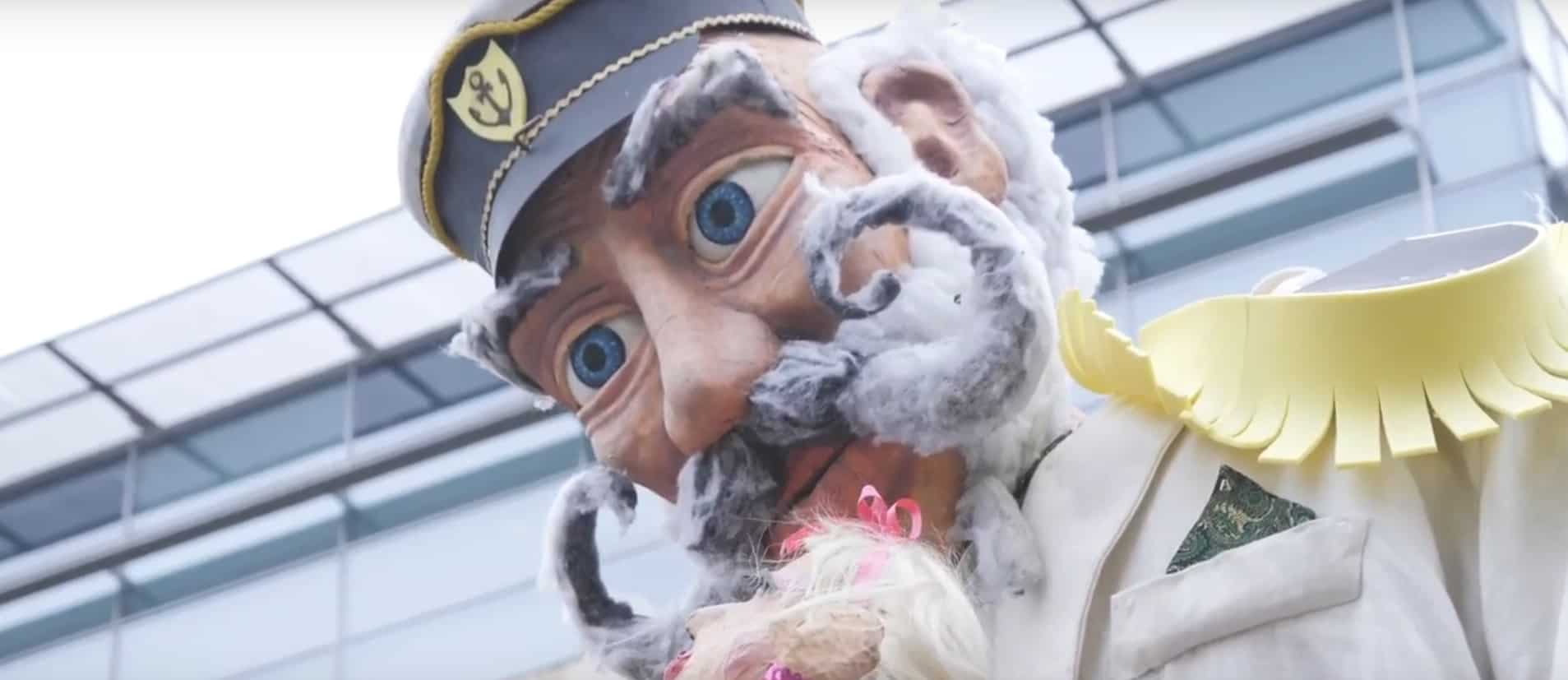
One of the most enduring traditions is the St. Patrick’s Day parade, which takes place in cities and towns across Northern Ireland. These colourful processions feature marching bands, elaborate floats, and community groups proudly displaying their Irish heritage. The streets come alive with music, dance, and laughter as locals and visitors come together to celebrate.

In addition to the parades, many communities hold religious services and ceremonies to honour St. Patrick’s legacy. These solemn gatherings provide an opportunity for reflection and spiritual connection as worshippers pay homage to the patron saint and give thanks for his influence on their lives.

Of course, no St. Patrick’s Day celebration would be complete without music and dance, and Northern Ireland delivers on that front. Traditional Irish music sessions are held in pubs and concert venues throughout the region, where musicians showcase their talents and revellers dance the night away to the infectious rhythms of the fiddle, bodhrán, and tin whistle.

Culinary Delights

No celebration in Northern Ireland would be complete without an abundance of delicious food and drink, and St. Patrick’s Day is no exception. Traditional Irish fare takes centre stage, with hearty dishes such as Irish stew, colcannon, and soda bread appearing on menus nationwide.

Corned beef and cabbage consumption is one culinary tradition that holds particular significance on St. Patrick’s Day. While this dish is more commonly associated with Irish-American cuisine, it has its roots in the immigrant communities of Ireland and remains a popular choice for celebratory meals.

Of course, no St. Patrick’s Day feast would be complete without a pint of Guinness, Ireland’s iconic stout. Whether enjoyed in a bustling pub or at home with friends and family, a pint of the black stuff is the perfect way to toast the patron saint and raise a glass to the day’s spirit.

Music and Dance

Music and dance are integral components of St. Patrick’s Day festivities in Northern Ireland, adding rhythm and vitality to the celebrations. Traditional Irish music fills the air, performed by talented musicians on fiddles, flutes, and bodhráns. Meanwhile, lively céilís unite people in joyous communion as dancers of all ages twirl and step with infectious energy. These vibrant cultural expressions unite communities and honour the legacy of Ireland’s rich artistic heritage.

St. Patrick’s Day Traditions: From Shamrocks to Guinness

St. Patrick’s Day Parade in Belfast, Northern Ireland

No St. Patrick’s Day celebration would be complete without a few time-honoured traditions. One of the most iconic symbols of the day is the shamrock, which is said to have been used by St. Patrick himself to illustrate the concept of the Holy Trinity. Today, it’s worn proudly as a badge of Irish identity, adorning lapels and hats during St. Patrick’s Day festivities.

Another cherished tradition is the consumption of traditional Irish food and drink. St. Patrick’s Day is a feast for the senses, from hearty stews and soda bread to creamy pints of Guinness. Many pubs and restaurants offer special menus featuring classic Irish dishes, allowing locals and visitors to taste Ireland’s culinary heritage.

Of course, no St. Patrick’s Day celebration would be complete without a pint of the black stuff. Guinness, Ireland’s most famous export, flows freely on St. Patrick’s Day, with revellers raising their glasses to toast the patron saint. For those looking for a more family-friendly alternative, non-alcoholic options like Irish soda bread and apple cider are also popular choices.

The Intersection of Culture and Identity

St. Patrick’s Day in Northern Ireland celebrates Irish culture and reflects the region’s complex identity and history. As part of the United Kingdom, Northern Ireland occupies a unique position within the broader Irish landscape, with its distinct traditions and customs.
For many in Northern Ireland, St. Patrick’s Day reminds them of the region’s ties to Ireland and Britain, bridging the gap between sometimes disparate identities. It is a day when people of all backgrounds come together to celebrate their shared heritage and embrace the diversity that defines Northern Irish society.

At the same time, St. Patrick’s Day can also be a source of division, particularly in communities where tensions between nationalist and unionist factions run high. In some areas, the day is marked by parades and celebrations that are seen as symbols of cultural triumphalism, stirring up old hatreds and perpetuating sectarian divides.

Educational Initiatives

In recent years, there has been a growing emphasis on educational initiatives promoting understanding and appreciation of Irish culture and heritage. Schools and community organizations often organize workshops, lectures, and cultural exchanges to coincide with St. Patrick’s Day, providing opportunities for people to learn about Ireland’s rich history and traditions.

Efforts Towards Reconciliation

St. Patrick's Day
St. Patrick’s Day

Despite the political divisions that can overshadow St. Patrick’s Day celebrations in Northern Ireland, there are also efforts to use the day to foster reconciliation and understanding between communities. In recent years, there have been initiatives to create cross-community events that include both Unionist and Nationalist traditions.

For example, in Belfast, the St. Patrick’s Day Carnival has aimed to bring together people from all backgrounds to celebrate Northern Ireland’s shared cultural heritage. This event features diverse performances, including music, dance, and theatre, representing the richness of Northern Irish culture. Promoting inclusivity and dialogue, such events seek to transcend the political divide and promote unity among Northern Ireland’s diverse population.

Political Significance

While St. Patrick’s Day is primarily a cultural and religious holiday, it also carries political significance in Northern Ireland. The green of St. Patrick’s Day is often associated with Irish nationalism and republicanism, while the orange represents the Protestant community and unionism. This symbolism reflects the deep divisions that have characterized Northern Ireland’s history, particularly during the Troubles.

During the Troubles, St. Patrick’s Day was often a source of tension and controversy, with sectarian violence erupting during parades and celebrations. However, in recent years, a concerted effort has been made to promote a more inclusive and peaceful St. Patrick’s Day with events emphasising unity and reconciliation.

One example is the cross-community St. Patrick’s Day carnival in Belfast, which brings together people from all backgrounds to celebrate Irish culture and heritage. Similarly, the St. Patrick’s Day peace walk promotes community dialogue and understanding, fostering a sense of shared identity and belonging.

Looking to the Future

As Northern Ireland continues to navigate the complexities of its past and chart a course towards a more inclusive future, St. Patrick’s Day remains an important touchstone for communities across the region. It is a day to celebrate the things that unite us rather than those that divide us and to embrace the rich tapestry of cultures and traditions that make Northern Ireland such a special place.

In the coming years, may St. Patrick’s Day serve as a beacon of hope and unity for all who call Northern Ireland home. May it be a day of joy, laughter, and celebration as we come together to honour the legacy of Ireland’s patron saint and the spirit of the Irish people.

Conclusion

St. Patrick’s Day in Northern Ireland is more than just a day on the calendar; it is a celebration of heritage, identity, and community. From the bustling streets of Belfast to the tranquil villages of the countryside, the spirit of the patron saint is alive and well, inspiring all who gather to honour his memory.

As we raise a glass and toast to St. Patrick, let us also take a moment to reflect on the values he embodied – resilience, compassion, and unity. In a world often marked by division and discord, may the spirit of St. Patrick’s Day serve as a reminder of the power of cultural celebration to unite people and forge bonds that transcend borders and boundaries.

Leave a comment

Your email address will not be published. Required fields are marked *