

Article Summary
What this article covers: The San Francisco Local Google Guides Conference explained in full, covering its official names, how delegates are chosen, what happens inside the sessions, and how to pair the trip with a proper look at the city.
Who this is for: Google Maps contributors hoping for an invitation, travellers curious about tech-community events in California, and readers from Ireland and the UK planning a first trip to the Bay Area.
Key takeaway: The event people call the San Francisco Local Guides Conference is Google’s invite-only summit for its top Google Maps contributors, known officially as the Local Guides Summit, then Connect Live, and now ConnectLIVE.
Expert insight: “You learn more about a city from the people who volunteer to map it than from any guidebook. In San Francisco, the Local Guides were arguing about which side of a street a bakery entrance sits on, and that level of care is exactly what we chase at ConnollyCove.”- Ciaran Connolly, Founder of ConnollyCove
Quick facts:
- The first Local Guides Summit in 2016 brought 75 contributors from 37 countries to the Bay Area
- The 2018 Connect Live edition in San Francisco hosted roughly 150 Local Guides from 59 countries
- Google historically covered return flights, hotels, meals and visa paperwork for invited delegates
The San Francisco Local Google Guides Conference is one of those events people search for under a name Google never officially used. There is no event listing with that title. What searchers are actually looking for is the invite-only summit Google runs for its most active Google Maps contributors, staged for several years across San Francisco and the wider Bay Area, and branded first as the Local Guides Summit, then Connect Live, and today as ConnectLIVE.
The San Francisco Local Google Guides Conference matters to travellers for a second reason. Delegates spend part of the week inside Google’s campuses and the rest of it out on the streets, which turns the trip into an unusually good lens on the city. ConnollyCove attended one of these gatherings and came home with as much material on Chinatown and the Mission as on Google Maps itself. If you are weighing up the wider trip, our guide to city breaks across the United States sets the context. This article covers both halves: the event and the city.
Table of Contents
What the San Francisco Local Google Guides Conference Actually Is
It is Google’s flagship in-person gathering for Local Guides, the volunteers who add reviews, photos, corrections and place data to Google Maps. Attendance is by invitation only, and the delegate numbers are tiny, measured against a contributor base counted in the tens of millions.
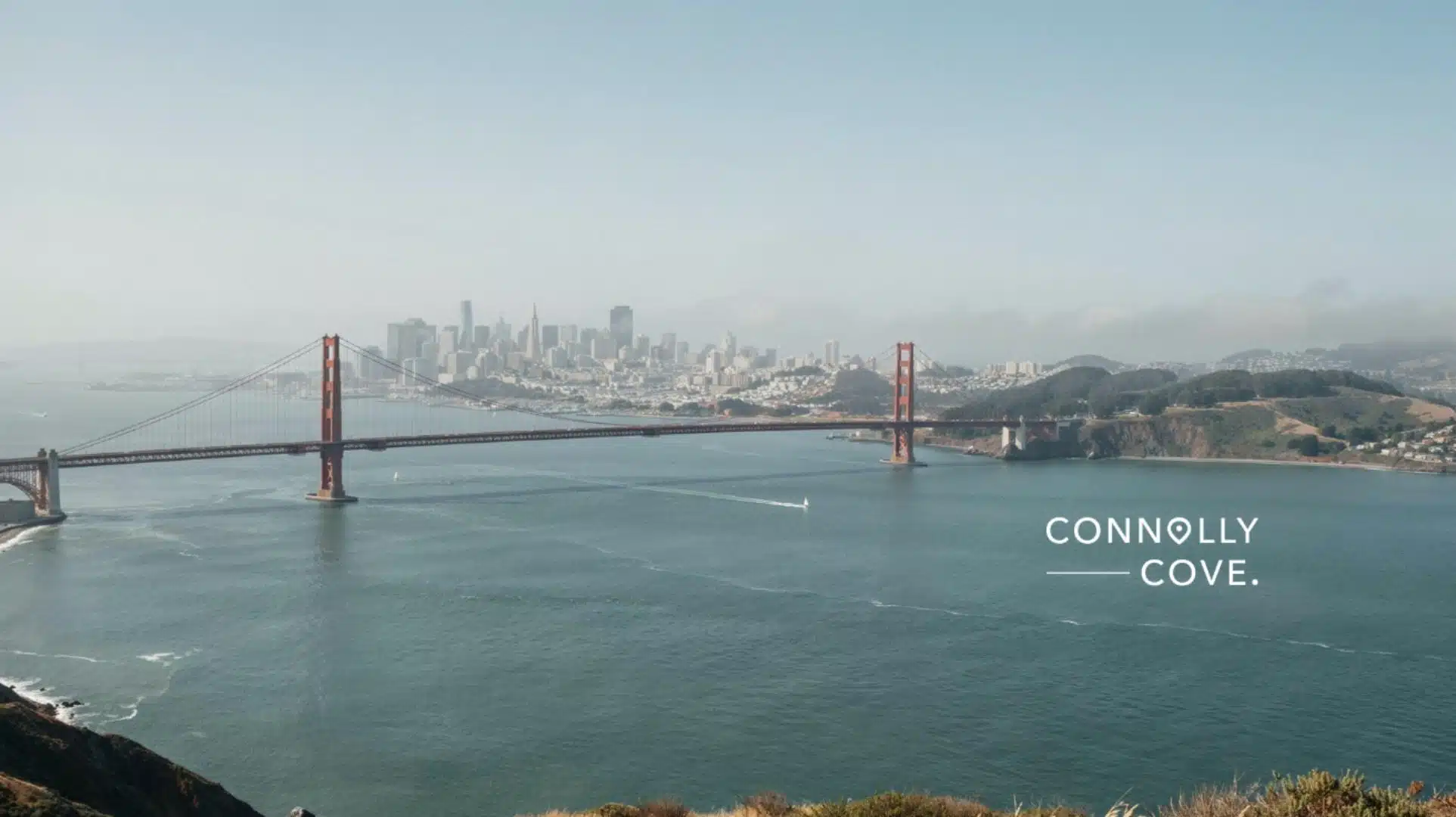
Google has never put San Francisco in the event’s title. The colloquial name stuck because the early editions ran in and around the city, and because attendees filmed their trips against Golden Gate Bridge backdrops. Officially, the 2016 and 2017 editions were the Local Guides Summit. From 2018, the name changed to Connect Live. The current format uses ConnectLIVE, spread across several cities instead of a single Californian venue.
The distinction matters if you plan to apply. Searching by the informal name returns travel blogs and old vlogs. Searching by the official name returns the application forms.
How the Event Evolved, From Summit to ConnectLIVE
The gathering grew from a small pilot into a 200-delegate global summit, then decentralised after 2020. The table below tracks that arc.
| Year | Event Name | Location | Delegates | Format |
|---|---|---|---|---|
| 2016 | Local Guides Summit | San Francisco Bay Area | 75 from 37 countries | In person |
| 2017 | Local Guides Summit | San Francisco Bay Area | 150 from 62 countries | In person |
| 2018 | Connect Live | San Francisco | ~150 from 59 countries | In person |
| 2019 | Connect Live | San Jose campus | ~200 | In person |
| 2020 | Connect Live | Planned for San Francisco | 200 places offered | Cancelled in person |
| Current | ConnectLIVE | Multiple cities | Invite only | Regional, in person |
Two things stand out. The contributor base exploded while the delegate count stayed roughly flat, which is why selection became so competitive. And the Bay Area lost its monopoly on the event after 2020, when international travel restrictions forced Google to abandon the single-venue model. ConnectLIVE now runs in several locations, with cities confirmed to invited guests instead of announced in advance.
Inside the Conference: What Delegates Actually Do
Delegates split their time between Google campus sessions and community work out in the city. The campus half involves product briefings, feedback rounds with Google Maps engineers, and early looks at features that have not shipped publicly. The community half covers meet-up planning, accessibility mapping, and workshops on writing reviews that genuinely help somebody who has never set foot in a place.
Our own visit followed that pattern. A day at the Google complex in San Francisco gave us access to the teams behind the products, plus the campus store, and a run of sessions where contributors fed opinions straight back to the people building Maps. The atmosphere was closer to a volunteer convention than a corporate conference, and that is the part most write-ups miss entirely.
A detail we noticed: the sessions that drew the loudest debate were never the feature demos. They were the ones about accuracy, and about who gets left off the map when nobody local is contributing.
“What surprised me in San Francisco was how little of the conversation was about technology. People had flown in from sixty countries to argue over whether a review should mention a wheelchair ramp, or how to photograph a family bakery so it looks open for business. That is archive work, and it is the same instinct that makes somebody document a heritage pub in Belfast.”, Ciaran Connolly, Founder of ConnollyCove.
How Local Guides Get Selected
Selection has always run on contribution quality and community involvement, not raw volume. Historically, applicants needed Level 5 or above, meaning at least 500 contribution points on Google Maps, and had to submit a one-minute video alongside a post on the Local Guides Connect forum.
The video did most of the work. Successful applicants answered the prompt directly, spoke clearly, and showed one specific thing they cared about mapping, whether that was pet-friendly cafés or temples in their home region. Production quality counted for very little. Phone footage was normal, and polished edits did not appear to help.
The current ConnectLIVE process is lighter. Interest submissions go through a short form covering your Maps contributions and community activity, with no video required, and forum activity described as helpful without being mandatory. Google also notes that informal meet-ups and support offered to other contributors count towards the assessment.
One practical point travellers should know: for the funded San Francisco editions, Google covered return flights, hotel accommodation, meals and visa support letters for invited delegates. A minimum age applied, because alcohol was served at some events.
Exploring San Francisco Between Sessions
The city rewards the same habits that make a good Local Guide: walking, asking, and going three streets past the obvious. Delegates who only saw Fisherman’s Wharf came home with the thinnest notebooks.
Start in the Mission District, where Clarion Alley and Balmy Alley hold decades of political mural work and the coffee beats anything near the tourist piers. Mission Dolores Park gives you the standard downtown skyline shot without the queue. Chinatown, the oldest in North America, deserves an hour of aimless wandering through its side alleys instead of Grant Avenue. Japantown carries a harder history, one we cover in our guide to Japantown in San Francisco, and it repays a slower visit.
There is an Irish layer to the city that most visitors never notice. Irish emigrants arrived in large numbers during and after the Gold Rush, and for generations the Mission was an Irish working-class district before becoming the Latino neighbourhood it is known as today. The United Irish Cultural Centre in the Sunset District still operates as a community hub. If that thread interests you, ConnollyCove covers it through our work on the Irish diaspora, on Irish emigration and its long aftermath, and on traces of Irish heritage found worldwide.
For the wider picture of who visits and when, our breakdown of San Francisco tourism statistics works as a companion piece, as does our look at California visitor trends.
Getting There From Ireland and the UK
Plan for a long westbound day and a rough first evening. Dublin and London both connect to San Francisco International, and Dublin’s US preclearance facility means you clear American immigration before boarding, so you walk out of SFO as a domestic arrival. That single detail saves an hour at the worst possible moment.
San Francisco runs eight hours behind Irish time. Flying west, you land in the early afternoon with a full day already behind you. Local guides recommend staying upright until at least nine in the evening instead of sleeping on arrival.
Reaching the Google campuses in Mountain View and San Jose means Caltrain from Fourth and King, roughly an hour southbound. Buy a Clipper card or add one to your phone before you travel. BART handles the airport run into the city. Within San Francisco, walking plus the occasional bus covers most of it, though the hills are steeper than photographs suggest.
Current Conditions and Seasonal Information
September and October are the best months to visit San Francisco, which is also when the summits were traditionally held. The city’s summer is cold and fogbound, a quirk of the coastal marine layer that catches almost every first-time visitor off guard. July temperatures often run well below inland California.
Autumn brings the clearest skies and warmest days of the year. Spring brings more rain. Winter is the wet season, though mild by Irish standards.
Pack layers whatever the month. Microclimates across the city are real, and the Sunset District can feel far cooler than the Mission on the same afternoon. Book accommodation early if your dates overlap a major tech conference, because hotel rates spike hard during those weeks. For live forecasts and transit updates, check the National Weather Service Bay Area page before you set out. If San Francisco is one stop on a longer route, our coast-to-coast American road trip guide, our fifteen-destination USA holiday guide and our rundown of US states worth building a route around all help with sequencing.
Planning Your Own Bay Area Trip
ConnollyCove is an Ireland-based travel and culture platform, and San Francisco earns its place on our map for the same reason Belfast does: the interesting material is always one street back from the postcard. Whether or not an invitation ever lands in your inbox, the city holds up on its own terms, and the Irish thread running through it is worth following.
For video coverage filmed on location, watch the ConnollyCove YouTube channel.
FAQs
A few quick answers to the questions travellers and Google Maps contributors ask most about this conference and the city that hosts it.
What is the official name of the San Francisco Local Guides Conference?
Google branded it the Local Guides Summit in 2016 and 2017, then Connect Live from 2018, and ConnectLIVE today. The San Francisco label is a searcher habit, not an official title.
Does Google pay for delegates to attend?
Yes. For the funded editions, Google covered return flights, hotel accommodation, meals and visa support letters for invited delegates.
What level do you need to be invited?
Applicants historically needed Level 5 or higher, meaning at least 500 contribution points on Google Maps. Community involvement carried as much weight as the level itself.
Is the conference still held in San Francisco?
Not exclusively. ConnectLIVE now runs across several cities each year, with locations confirmed to invited guests instead of published in advance.
When is the best time to visit San Francisco?
September and October. Autumn brings the clearest skies and warmest weather, while summer is famously cold and foggy.
How many people attend?
Roughly 150 to 200 delegates per edition, drawn from around 60 countries. The first summit in 2016 was smaller, with 75 contributors from 37 countries.