


Milltown Cemetery Belfast – West Belfast Cemetery-Political
Updated On: March 04, 2024 by  Ciaran Connolly
You might be asking yourself why knowing or visiting a cemetery would be essential to Belfast. We have to say that Milltown Cemetery carries a history behind it that would bring it to the front lines of the essential places in Belfast.
More so, Milltown Cemetery is a large cemetery found in Belfast, Northern Ireland, that lies within the townland of Ballymurphy, between Falls Road and the M1 motorway. This is an old cemetery that passed through different stages of history.
It was opened in 1869 as part of the broader provision of services for the city of Belfast’s expanding Catholic population. Since this cemetery was found, it has been considered an essential development in the episcopal reign of Bishop Patrick Dorrian of the Diocese of Down and Connor.
History Of Milltown Cemetery
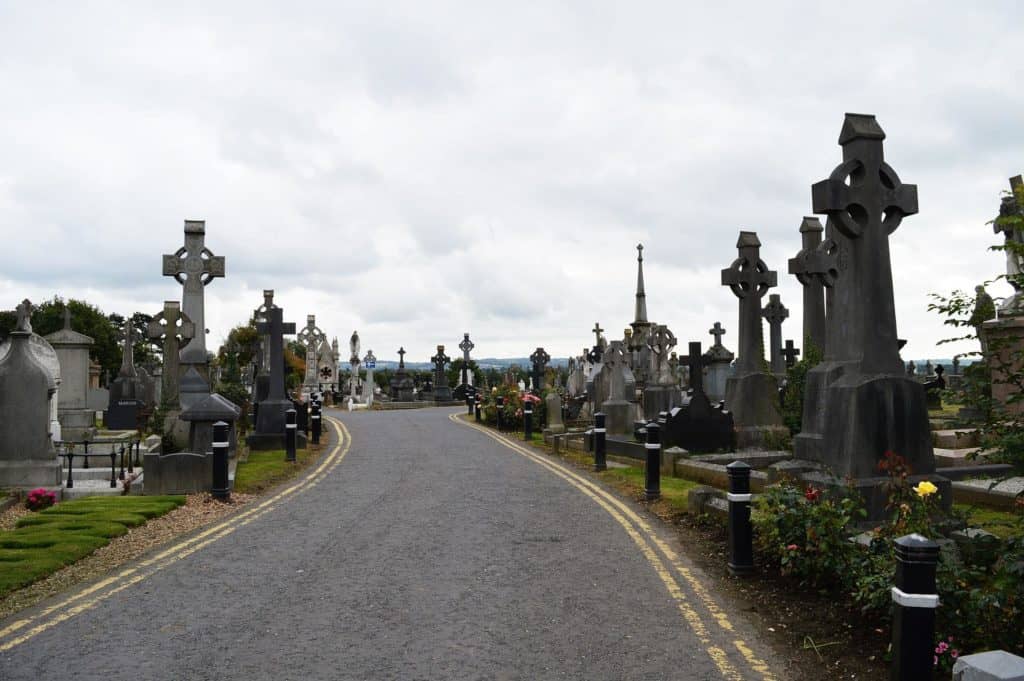
Within Milltown cemetery, there are three large sections of open space designated as “poor ground”; each is the size of a soccer football field. These poor grounds are not as empty as some people think at the beginning when they first see it, but there are about 80,000 people buried in these poor grounds, and many of them died of the flu pandemic (which was a deadly influenza pandemic that appeared back in 1918).
Furthermore, the history and even the story of this cemetery always refer to the place as a nationalist and Irish Republican site while, in fact, the majority of those buried there are unknown Catholics.
For some people, it might not be a place they will be interested in visiting and knowing more about its origins. For others, it could be one spot where they might learn more about those famous people buried there.
Famous People Buried At This Cemetery
Along with its history, Milltown cemetery became synonymous with Irish Republicanism for some people. There are even some famous figures buried there who played their roles and parts in some of these events and strikes. One of the examples is the Irish Republican Army Volunteer, Bobby Sands, who died on hunger strike in 1981 and is buried here.
Other names and who are buried in Milltown Cemetery could be stated down. One of the most-visited parts of the Milltown Cemetery is the “New Republican Plot”, which includes the final resting place of 77 Irish Republican Army volunteers. Bobby Sands is one of them.
For those who might not know, Bobby Sands’s funeral was attended by over 100,000 people, and it was seen worldwide, which could explain why many people still visit his grave to the present day.
This is one of the places to mention Belfast for the mixture of tragedy, history, and conflict it tends to carry within. Milltown Cemetery is the only graveyard in Northern Ireland that witnessed some of the largest funeral processions in all of Ireland and is also the final resting place of more than 200,000 souls.
Symbolism and Architecture
A stroll through Milltown Cemetery reveals a wealth of architectural styles and symbolic motifs, each telling a unique story about the individuals interred within its walls. From grand mausoleums and towering Celtic crosses to humble headstones adorned with heartfelt epitaphs, the cemetery’s landscape is a testament to the diversity of Belfast’s populace and its enduring legacy.
One of the most striking features of Milltown Cemetery is its collection of Celtic crosses, which dot the landscape in various shapes and sizes. These intricate monuments, adorned with intricate knotwork and religious iconography, pay homage to Ireland’s ancient Celtic heritage and serve as poignant reminders of the country’s rich cultural tapestry.
In addition to Celtic crosses, Milltown Cemetery is home to many mausoleums and sepulchres, showcasing elaborate Victorian-era architecture. These imposing structures, often adorned with classical columns and ornate detailing, stand as symbols of wealth and social status, commemorating the lives of Belfast’s affluent citizens.
Cultural Significance
Beyond its role as a burial ground, Milltown Cemetery holds immense cultural significance for the people of Belfast. Visiting the cemetery is a way for many residents to pay respects to loved ones and connect with their city’s past and heritage. The cemetery’s tranquil setting provides a peaceful retreat from the hustle and bustle of urban life, offering visitors a chance for quiet contemplation and reflection.
Throughout its history, Milltown Cemetery has also served as a focal point for commemorative events and political demonstrations. From annual remembrance services to gatherings commemorating significant anniversaries, the cemetery continues to be where people come together to honour the memory of those who have gone before them and reaffirm their commitment to peace and reconciliation.
Challenges and Preservation Efforts
Despite its enduring legacy, Milltown Cemetery faces numerous challenges in preserving its historical significance for future generations. The passage of time, environmental factors, and urban encroachment threaten the cemetery’s physical integrity and cultural heritage. Restoration initiatives and community engagement have been made to address these challenges in recent years.
Organizations such as the Friends of Milltown Cemetery work tirelessly to ensure the cemetery’s preservation, conducting regular maintenance and conservation projects to safeguard its architectural treasures and natural beauty. Through educational programs and guided tours, these efforts aim to raise awareness about the cemetery’s historical importance and promote appreciation for its cultural heritage.
Attractions Near Milltown Cemetery
With its rich history and serene ambience, Milltown Cemetery is a significant landmark in Belfast, Northern Ireland. While the cemetery is a compelling destination, several nearby attractions offer visitors a chance to delve deeper into Belfast’s cultural, historical, and natural wonders. From iconic landmarks to hidden gems, here are some attractions worth exploring near Milltown Cemetery:
1. Falls Road
Just a short distance from Milltown Cemetery lies Falls Road, one of the most iconic streets in Belfast. Steeped in history and culture, Falls Road is a hub of activity, lined with vibrant murals depicting Belfast’s tumultuous past and its hopes for the future. Visitors can take a stroll along the street, admiring the striking artwork and soaking in the atmosphere of this historically significant area.
2. Divis and Black Mountain
For those seeking outdoor adventure and breathtaking panoramic views, Divis and Black Mountain offer the perfect escape. Located a short drive from Milltown Cemetery, these majestic peaks are part of the Belfast Hills, providing ample hiking, birdwatching, and photography opportunities. From the summit, visitors can enjoy sweeping vistas of Belfast City, the Mourne Mountains, and even the Scottish coast on a clear day.
3. St. Peter’s Cathedral
Nestled in the heart of the Falls Road area, St. Peter’s Cathedral is a striking example of Neo-Gothic architecture and a prominent landmark in Belfast. Dating back to the 19th century, the cathedral boasts intricate stained glass windows, towering spires, and a richly adorned interior. Visitors can attend mass or simply admire the cathedral’s beauty and tranquillity.
4. Conway Mill
A short distance from Milltown Cemetery, Conway Mill is a testament to Belfast’s industrial heritage. Originally built as a linen mill in the 19th century, the building has been repurposed as a cultural centre, housing artists’ studios, community spaces, and a thriving marketplace. Visitors can explore the mill’s heritage exhibits, attend art workshops, or browse the eclectic artisanal goods.
5. Cultúrlann McAdam Ó Fiaich
Cultúrlann McAdam Ó Fiaich is located on Falls Road, a vibrant cultural centre promoting the Irish language, music, and arts. The centre hosts regular events, including traditional music sessions, poetry readings, and theatrical performances. Visitors can immerse themselves in Gaelic culture, attend language classes, or enjoy tea in the cosy café.
6. Clonard Monastery
A short walk from Milltown Cemetery, Clonard Monastery is a tranquil oasis amid the bustling streets of Belfast. Founded in the 19th century, the monastery is renowned for its beautiful architecture, serene gardens, and rich spiritual heritage. Visitors can explore the historic church, attend mass, or simply enjoy a moment of quiet contemplation in the peaceful surroundings.
7. Belfast City Centre
No visit to Belfast would be complete without exploring the vibrant city centre, just a short distance from Milltown Cemetery. From historic landmarks such as Belfast City Hall and the Albert Memorial Clock to bustling shopping streets like Donegall Place and CastleCourt, there’s plenty to see and do in the city’s heart. Visitors can also sample traditional Irish cuisine in one of the many pubs and restaurants or immerse themselves in Belfast’s thriving arts and music scene.
Conclusion
Milltown Cemetery is a poignant reminder of Belfast’s rich history and cultural heritage. From its Victorian-era architecture to its diverse array of memorials, the cemetery bears witness to the lives and legacies of generations past. As a place of remembrance and reflection, Milltown Cemetery continues to hold a special place in the hearts of Belfast residents, serving as a tangible link to the city’s storied past and an enduring symbol of its resilience and spirit.
Discover the Top 15 Best Places to Visit in Northern Ireland
Travel Guides
24/04/2024
How to Find the Best Scotland Travel Guide: An Ultimate Guide
Scotland
24/04/2024

The Ultimate Guide to the Best Shopping Areas in London
England
24/04/2024

The Absolute Guide to the Best Restaurants in Bath, England: Unveiling the Culinary Gems of Bath!
Food and Cuisine
24/04/2024

Planning a Trip to Scotland: Your All-Inclusive Guide to Exploring the Great Highlands
Travel Guides
23/04/2024