


Knockagh Monument, County Antrim
Updated On: April 07, 2024 by  Marwa Alaa
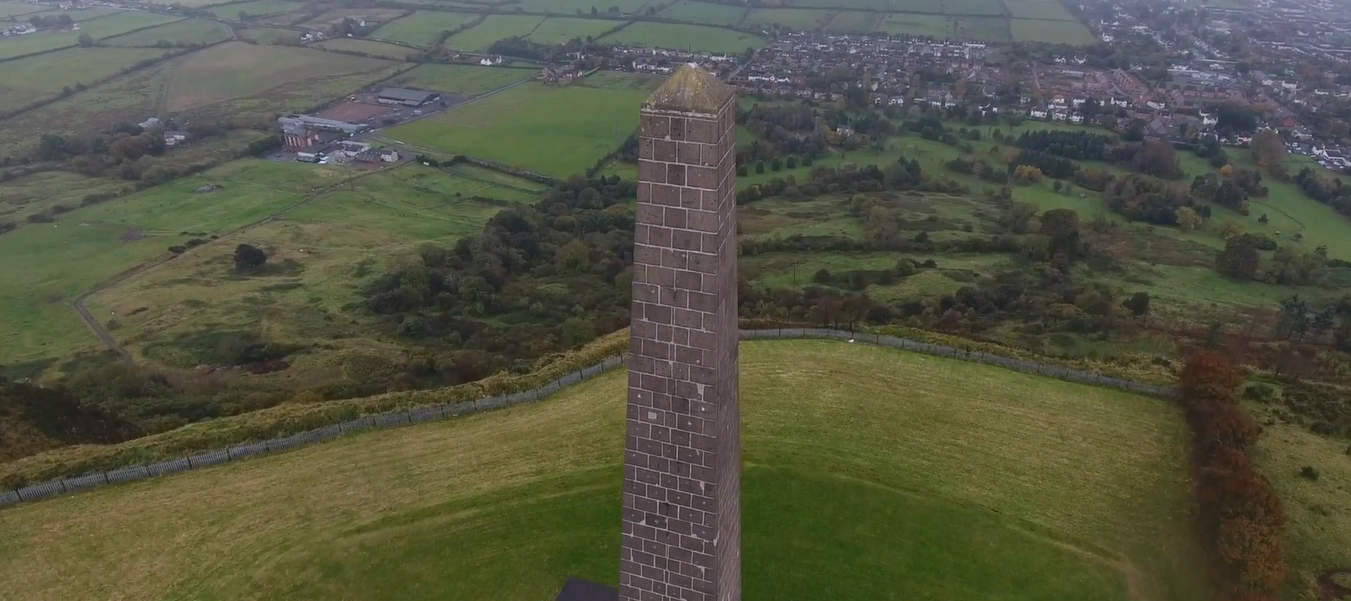
Standing proudly atop the rolling hills of County Antrim, overlooking the tranquil waters of Belfast Lough, the Knockagh Monument stands as a solemn sentinel, bearing witness to the rich history and enduring spirit of Northern Ireland. This imposing structure, steeped in symbolism and historical significance, serves as a poignant reminder of the sacrifices made by the people of this land in times of war and conflict. With its commanding presence and breathtaking vistas, the Knockagh Monument draws visitors from far and wide, inviting them to explore its storied past and pay tribute to those who have gone.
Discovering County Antrim
County Antrim, located in the northeastern part of Northern Ireland, is a region renowned for its stunning landscapes and rich cultural heritage. From the rugged coastline along the North Channel to the rolling hills and fertile plains further inland, Antrim offers visitors a diverse array of natural wonders to explore. The famous Causeway Coastal Route winds its way along the coast, treating travellers to breathtaking views of rocky cliffs, secluded beaches, and charming seaside villages like Portrush and Ballycastle.
In addition to its natural beauty, County Antrim boasts a wealth of historic sites and landmarks that speak to its long and storied past. The imposing Carrickfergus Castle, dating back to the 12th century, stands as a testament to the region’s medieval history, while the ruins of Dunluce Castle evoke the romance and intrigue of bygone eras. Meanwhile, the vibrant city of Belfast offers a fascinating blend of old and new, with its bustling markets, lively pubs, and world-class museums providing endless opportunities for exploration and discovery. Whether hiking in the Glens of Antrim, exploring ancient ruins, or immersing oneself in the city’s vibrant culture, visitors to County Antrim are sure to be captivated by its beauty and charm.
A Monumental History
The history of the Knockagh Monument is deeply intertwined with the tumultuous events of the early 20th century, particularly the First World War (1914-1918) and the Second World War (1939-1945). In the aftermath of these devastating conflicts, communities across the United Kingdom sought to commemorate the bravery and sacrifice of their fallen heroes. For the people of County Antrim, the decision to erect a monument on Knockagh Hill was a testament to their enduring respect and gratitude for those who had given their lives in service to their country.
Designed by Sir Charles Lanyon, a renowned architect of the Victorian era, the Knockagh Monument was unveiled on Armistice Day, 11 November 1935. Rising to a height of 110 feet, the monument is an imposing structure constructed from locally quarried stone and adorned with intricate carvings and inscriptions. Its distinctive design, featuring a central column surrounded by four smaller columns, symbolises the unity and strength of the British Isles in the face of adversity.
Symbolism and Significance of Knockagh Monument
At the heart of the Knockagh Monument lies a profound sense of symbolism, reflecting the individual sacrifice of those who gave their lives in conflict and the collective resilience of the communities they left behind. Inscribed on the monument are the names of over 800 men from County Antrim who perished in the two World Wars, their memory preserved for eternity in the stone. These names represent not only soldiers, sailors, and airmen but also civilians who lost their lives during the Blitz and other wartime tragedies.
Surrounding the central column of the monument are four smaller columns, each bearing the emblem of one of the armed forces: the Army, Navy, Air Force, and Merchant Navy. This arrangement serves as a poignant reminder of the diverse contributions made by individuals from all walks of life to defend their country. From the trenches of the Western Front to the skies over Britain, the courage and sacrifice of these men and women are honoured and remembered at Knockagh.
A Place of Remembrance
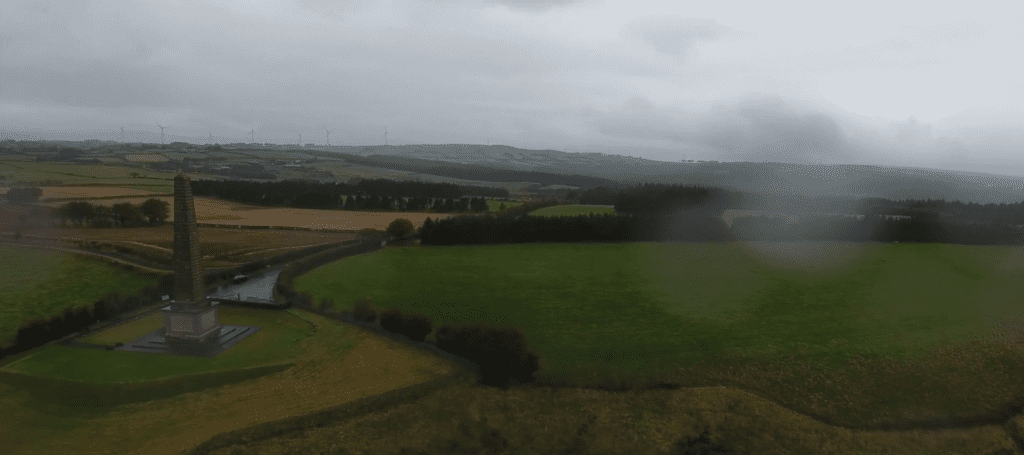
For visitors to County Antrim, the Knockagh Monument offers a unique opportunity to pay their respects and reflect on the human cost of war. Set against the backdrop of sweeping vistas and lush green countryside, the monument provides a tranquil setting for quiet contemplation and remembrance. Whether standing silently at the foot of the memorial or gazing out across the shimmering waters of Belfast Lough, visitors cannot help but be moved by the solemn atmosphere of this sacred place.
Throughout the year, the Knockagh Monument hosts various commemorative events and ceremonies, ranging from Remembrance Day services to wreath-laying ceremonies and educational programmes for local schools. These events ensure that the memory of those who gave their lives in service to their country remains alive and vibrant in the hearts and minds of future generations. In this way, the Knockagh Monument continues to fulfil its role as a beacon of remembrance and a symbol of hope for a more peaceful world.
Exploring the Surroundings
Beyond its historical and symbolic significance, the Knockagh Monument also offers visitors the opportunity to explore the natural beauty and cultural heritage of County Antrim. Surrounding the monument are several walking trails and scenic viewpoints, allowing visitors to immerse themselves in the breathtaking landscapes of this picturesque region. From the rugged cliffs of the Antrim Coast to the tranquil woodlands of Carnfunnock Country Park, there is no shortage of attractions to discover in this corner of Northern Ireland.
For those interested in delving deeper into the area’s history, nearby attractions such as Carrickfergus Castle and the Ulster Folk Museum offer fascinating insights into the rich tapestry of Northern Irish culture. Meanwhile, the vibrant city of Belfast, with its bustling markets, world-class museums, and thriving arts scene, is just a short drive away, offering endless opportunities for exploration and discovery.
The Best Time to Explore County Antrim’s Charms
The perfect time to visit County Antrim largely depends on personal preferences and the type of experience one seeks. However, many visitors find the late spring and early summer months of May and June particularly appealing. During this time, the weather tends to be mild and pleasant, making it ideal for outdoor activities such as hiking along the Causeway Coastal Route or exploring the lush green landscapes of the Glens of Antrim.
The longer daylight hours also afford ample time to take in the region’s scenic beauty and historic attractions. Whether admiring the wildflowers in bloom along the coast or enjoying the vibrant cultural scene in Belfast, visitors to County Antrim in late spring and early summer are sure to be enchanted by the region’s charm and allure.
Conclusion
County Antrim is a jewel in Northern Ireland’s crown, offering visitors a captivating blend of natural beauty, rich history, and warm hospitality. From the rugged coastline of the Causeway Coastal Route to the verdant valleys of the Glens of Antrim, this region beckons adventurers to explore its diverse landscapes and uncover its hidden treasures. Whether hiking along ancient trails, delving into the past at historic sites or simply soaking in the vibrant atmosphere of Belfast’s streets, visitors to County Antrim will surely find an experience that speaks to their soul. With its timeless allure and endless opportunities for discovery, County Antrim invites travellers to embark on a journey of exploration and wonder, leaving them with cherished memories that will last a lifetime.

Weather in Ireland in May: A Guide to Climate, Temperature, and What to Wear
Ireland
23/04/2024
Top Castles to Stay in Edinburgh for an Unforgettable Accommodation Experience
Scotland
23/04/2024

The Ultimate Guide to Finding the Best Places to Stay in London
England
23/04/2024

The Ultimate Guide to Finding the Best UK SIM Card for Travel
Travel Tips
23/04/2024

Planning Memorable Trips to the UK: Your Ultimate Guide
Travel Guides
23/04/2024