Updated on:
by
 Shaimaa Olwan
 Shaimaa Olwan
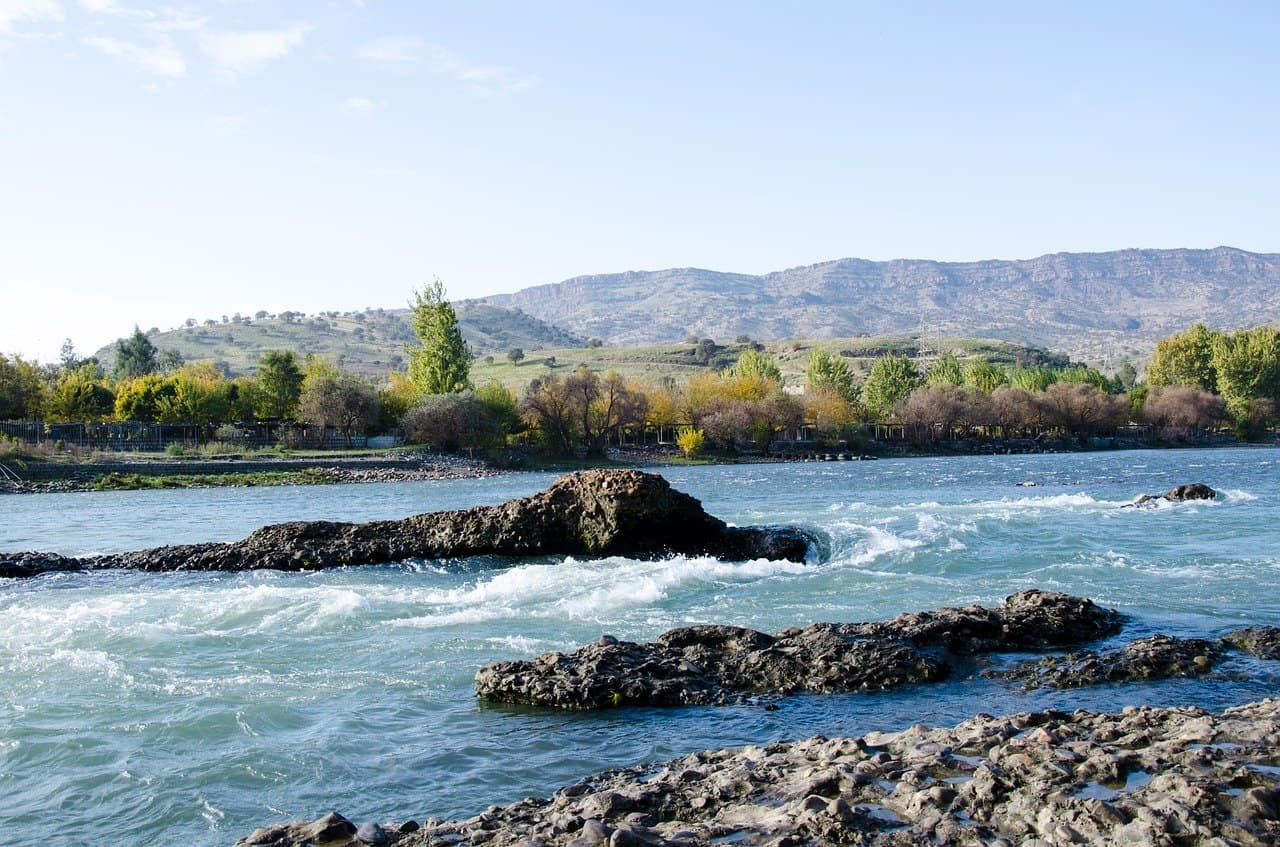
The Republic of Iraq, located in Western Asia, is a country of profound historical significance and geographical diversity. Situated in the region historically known as Lower Mesopotamia, encompassing ancient Babylon, Iraq extends into parts of Upper Mesopotamia, the Levant, and the Arabian Desert. The country is marked by its diverse landscapes, ranging from the mountainous terrain of the Kurdistan region in the north to the vast deserts of the south. The Tigris and Euphrates rivers, which flow southward into the Persian Gulf, are central to Iraq’s geography and have been vital to its historical development.
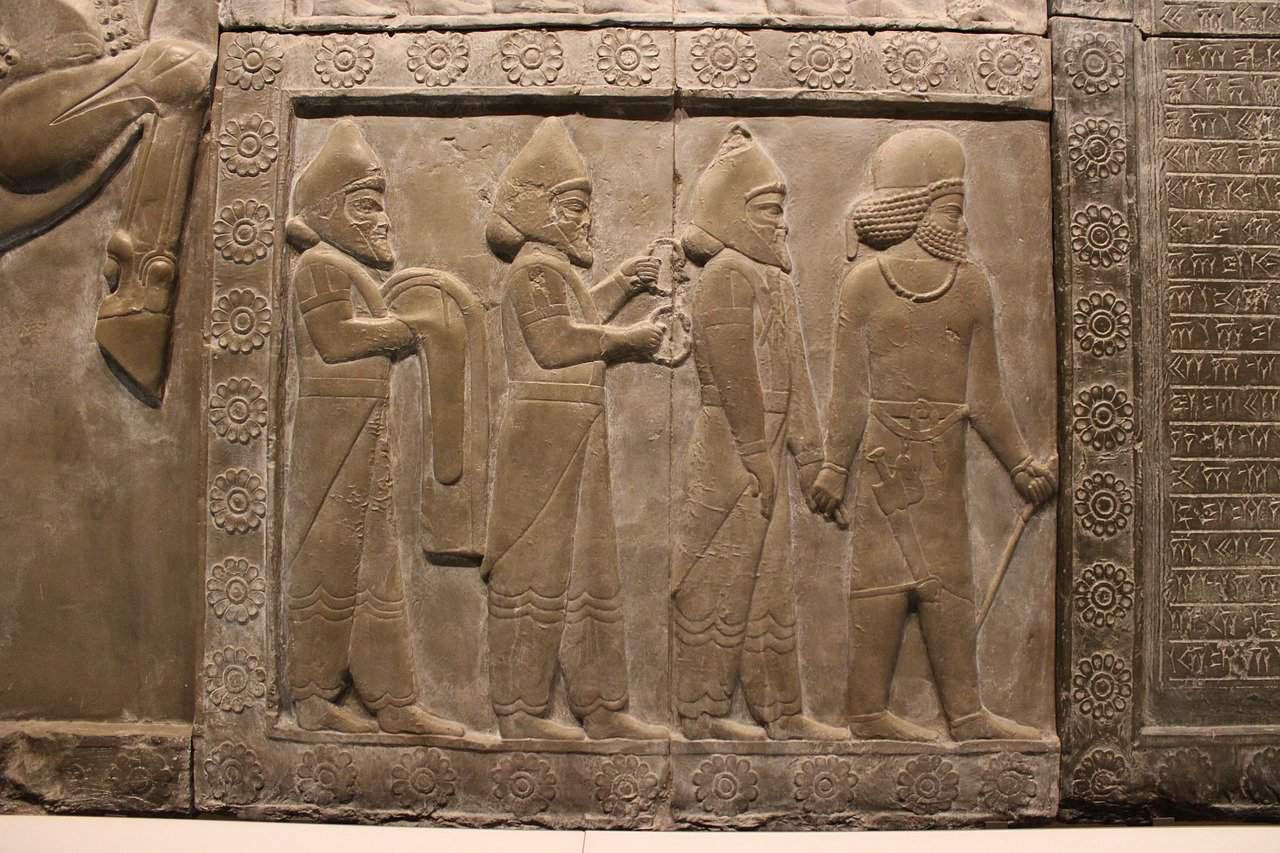
Iraq’s history spans thousands of years, making it one of the world’s oldest cradles of civilisation. The land has been home to several influential cultures, including the Sumerians, Akkadians, Babylonians, Assyrians, Romans, Sasanians, and Islamic empires. Each of these civilisations has left a lasting legacy, contributing to advancements in writing, law, and architecture. The rich historical tapestry of Iraq is reflected in its significant archaeological sites, such as the ruins of Babylon and Ur, which continue to draw interest from scholars and travellers alike.
Today, Iraq is known for its ethnic and religious diversity, with a population that includes Arabs, Kurds, Turkmen, and Assyrians, as well as various religious communities. This diversity enriches the country’s cultural heritage, reflected in its traditional arts, music, and cuisine. Despite facing challenges such as political instability and economic issues, Iraq remains a land of resilience and potential, offering visitors a unique glimpse into one of the world’s most historically significant regions.
Table of Contents
Most Important Touristic Cities in Iraq
When Iraq comes to mind, images of its iconic northern cities and legendary historical sites often spring to life. But Iraq is more than just its celebrated ruins; it’s a land of breathtaking landscapes, vibrant rivers, and unique waterways. As the cradle of civilisation, Iraq’s legacy extends through its remarkable contributions to science, medicine, law, and literature.
Today, the country offers a diverse array of tourism experiences, from exploring its ancient history and rich cultural heritage to discovering its stunning natural beauty and vibrant ethnic traditions. Whether you’re drawn to historical landmarks, environmental wonders, religious sites, or cultural experiences, Iraq promises a journey through its storied past and dynamic present.
Baghdad

Baghdad, Iraq’s vibrant capital, is a city where the echoes of ancient civilisations intertwine with the rhythms of modern life. Renowned as a centre of learning and culture during the Islamic Golden Age, its rich heritage is evident in the countless architectural marvels that dot the cityscape.
For the spiritually inclined, Baghdad offers a profound experience. Its sacred sites, including magnificent mosques and revered shrines, draw pilgrims from across the globe. Visitors can immerse themselves in an atmosphere of devotion and tranquillity as they explore these hallowed places.
Beyond its religious significance, Baghdad boasts a captivating blend of historical and cultural attractions. From the iconic Al-Rashid Street to the bustling local markets, there is an endless array of sights and sounds to discover. Food enthusiasts will delight in the city’s diverse culinary scene, offering a tantalising taste of Iraqi cuisine.
While visiting Baghdad, it is essential to be aware of the current security situation and adhere to any travel advisories issued by your government. However, for those seeking an authentic and unforgettable journey, this ancient metropolis offers a unique and rewarding experience.
Mosques and Shrines in Iraq
Iraq is home to a multitude of revered mosques and shrines, each holding immense religious and historical significance. These sacred sites attract countless pilgrims and visitors annually, contributing to the country’s rich cultural tapestry.
Al-Rawdah Al-Kadhimiya
Situated in Baghdad, Al-Rawdah Al-Kadhimiya is a revered site housing the shrines of Imam Musa Al-Kadhim and his grandson, Imam Muhammad Al-Jawad. This grand mosque, constructed in 1515 CE, is distinguished by its two magnificent golden domes and four intricately decorated minarets. The mosque’s architecture is a striking blend of historical grandeur and religious reverence, creating an atmosphere of profound spirituality and peace. Visitors can marvel at the mosque’s opulent design and experience the serene ambience of the sacred site.
The Mosque and Shrine of Imam Abu Hanifa al-Numan
Located in the Adhamiya district, this mosque is dedicated to Imam Abu Hanifa al-Numan, the esteemed founder of the Hanafi school of jurisprudence. The mosque features a prominent dome known as the Scene of Abu Hanifa, which is an architectural landmark. Adjacent to the mosque is a prominent educational institution for Hanafi jurisprudence. The site not only holds historical and religious importance but also serves as a centre for learning and reflection. The serene environment of the mosque offers a glimpse into the spiritual and scholarly heritage of Islam.
Buratha Mosque
One of the oldest mosques in Baghdad, Buratha Mosque holds significant historical and religious value. Originally a Christian monastery, it was converted into a mosque following the conversion of its monk, Habar, to Islam. The mosque is renowned for its historical transformation and its association with Imam Ali bin Abi Talib. The site includes a notable black rock and a water spring, which later became a well. The water from this well is still used today for its reputed health benefits, adding to the mosque’s cultural and spiritual significance.
The Caliphs Mosque

Located in the Al-Shorja area, the Caliphs Mosque is distinguished by its ancient minaret, which is a remnant of the Dar Al-Khilafa Mosque, also known as the Al-Qasr Mosque. This minaret is a rare surviving feature from the Abbasid era and once served as a high beacon from which the entire city of Baghdad could be observed. The mosque’s modern aspects contrast with the historical minaret, offering visitors a unique opportunity to explore the layers of Baghdad’s architectural and cultural history.
Other Important Attractions
Iraq boasts a wealth of other captivating attractions beyond its religious sites. From the ancient ruins of Babylon and Nineveh to the stunning natural landscapes of Kurdistan, there is something to enchant every traveller.
The National Museum
The National Museum houses an extraordinary collection of artefacts charting the history of Mesopotamia. This Iraqi treasure trove boasts items unparalleled elsewhere in the world, with the earliest pieces dating back to approximately 4000 BC. From the emergence of the first human settlements to the rise and fall of mighty empires, the museum’s exhibits encapsulate the richness and diversity of Iraqi culture, art, and design.
Martyr’s Monument
Erected as a memorial to the soldiers who made the ultimate sacrifice during the Iran-Iraq War, the Martyr’s Monument stands as a poignant tribute. Beneath the monument lies a small museum dedicated to the conflict, alongside a library, auditorium, and photo gallery.
Al-Mutanabbi Street in Baghdad
One of the most bustling thoroughfares in downtown Baghdad, Al-Mutanabbi Street is named after a celebrated poet of Arabic literature. Renowned for its shops selling old notes, postcards, and books, the street offers a unique shopping experience.
Al-Zawraa Park
Baghdad’s expansive Al-Zawraa Park is a beloved green space. Formerly an army camp, it has been transformed into a family-friendly recreational area, providing a welcome escape from the city’s hustle and bustle.
Freedom Monument
A symbol of Iraq’s 1958 revolution, the Freedom Monument stands proudly in Tahrir Square. Commissioned by the Prime Minister, this iconic structure commemorates the birth of the Republic of Iraq.
The City of Dur-Kurigalzu Aqar-Qūf
Situated near Baghdad, the ancient city of Dur-Kurigalzu, now known as Aqar-Qūf, stands as a haunting relic of a bygone era. Abandoned over 3,500 years ago, it was once the heart of southern Mesopotamia, a region cradled by the majestic Tigris and Euphrates rivers. This metropolis rose to prominence under the Kassite kings during the 14th century BC.
Today, visitors to Dur-Kurigalzu can marvel at the enduring remnants of this once-thriving city. Stone carvings of extraordinary form and intricate mudbrick walls, topped by towering structures that once guided lost camel caravans, offer a tangible connection to a world long vanished.
Major Cities in Iraq
Iraq’s major cities are vibrant centres of history and culture, each offering a unique glimpse into the country’s rich heritage. Baghdad, the capital, is a bustling metropolis known for its historical landmarks and lively markets. Erbil, in the northern region, boasts a historic citadel and a thriving cultural scene. Mosul, with its significant religious and historical sites, and Basra, known for its maritime history and lush marshlands, also stand out as key cities that reflect Iraq’s diverse and storied past.
Erbil

Erbil, a cornerstone of Iraqi Kurdistan, is a living testament to the region’s rich and enduring history. The city’s Museum of Civilisation offers a captivating journey through time, showcasing the cultural and historical tapestry of Iraq. Beyond its role as a cultural repository, Erbil is renowned as a centre for the production of exquisite Kurdish textiles.
Dominating the city’s skyline, the Citadel of Erbil stands as a formidable fortress and a symbol of the city’s resilience. It’s believed to have roots as far back as the Neolithic period, some 7,000 years ago; this imposing structure has witnessed millennia of human habitation. Covering an expansive area of 102,000 square metres, the Citadel’s significance is such that it has been accorded UNESCO World Heritage status.
Basra
Basra, a name synonymous with Iraq’s southern heartland, boasts a rich history often overlooked. This vibrant city offers visitors a unique blend of ancient heritage and modern charm.
Nestled along the Nahr Al-Arab, Basra’s waterfront promenade is a delightful spot to unwind as the sun dips below the horizon. The cooling evening breeze invites leisurely strolls, while the city’s palm-lined avenues and lush greenery create a serene atmosphere. Beyond the natural beauty, Basra also holds religious significance, home to several revered tombs of imams.
Najaf
One of the cities famous for religious tourism, Najaf includes the library of Imam Ali bin Abi Talib, in addition to dozens of public and personal libraries, and several ancient mosques, which were the centres of religious seminaries throughout history, such as the Al-Hindi Mosque and the Al-Tusi Mosque.
Karbala
Every year, more than 30 million people visit the city of Karbala, which is home to the cemetery of Imam Hussein bin Ali, the grandson of Prophet Mohamed. The city is divided into two parts, the old Karbala and the new Karbala, and has wide roads and a railway.
Al-Zinabi Hill
A high place from the ground is located near the Imam Hussein shrine in the centre of Karbala. Its height is 5 meters from the Husseini Mosque. The total area of the courtyard is 2175 meters, and it is considered one of the city’s most important landmarks.
Shimon’s Palace
The oldest archaeological palace in the Karbala governorate. It is located 30 square kilometres from the city. Shimon Ibn Jabel Al-Lakhmi, a Christian cleric, built it. Only its pillars remain in the location of the palace, which is 15 square meters high.
Imam Ali Dropper
A solitary spring found twenty-eight kilometres from Karbala, the Imam Ali Dropper is a unique natural feature situated amidst the desert landscape of Al-Razzaza Lake.
Hatra
Hatara, located on the Euphrates Island within the northwestern Mesopotamian plain, is celebrated as one of Iraq’s oldest Arab kingdoms. Situated approximately seventy kilometres from the ancient city of Assyria, the Hatra Kingdom emerged in the third century CE and thrived for nearly a century under the rule of four kings.
Renowned for its architectural and industrial achievements, Hatra prospered as a significant trading hub with Rome. The city boasted advanced features such as underfloor heating systems in baths, watchtowers, courts, and intricate carvings. Its economic success allowed it to mint its own currency, following Greek and Roman practices.
Set in the western desert, Hatra is an archaeological marvel with its towering columns and elaborate temples. As a UNESCO World Heritage site, it stands as a magnificent testament to the Parthian era, enchanting visitors with its historical splendour.
Sulaymaniyah
Sulaymaniyah, nestled amidst the mountains of northern Iraq, offers visitors a serene escape. Its cooler climate compared to other Iraqi cities makes it a popular retreat.
Sherwana Castle
Sherwana Castle, a majestic fortress perched on the banks of the Sirwan River in Kalar, northern Iraq, is a testament to the region’s rich history. Originally built in the 19th century by Mohammed Pasha Jaff, a prominent Kurdish leader, the castle served as both an administrative centre and a private residence. Following a period of neglect, extensive restoration efforts during Saddam Hussein’s regime transformed it into a significant archaeological site, offering visitors a glimpse into the region’s past.
Dukan Lake
A highlight of the region is Dukan Lake, a vast expanse of water formed by the Dukan Dam near the town of Dukan. It is the largest water body in Iraqi Kurdistan and features a tourist complex for visitors to enjoy.
Sulaymaniyah Museum
The city’s archaeological museum is a treasure trove of history, housing artefacts dating from the prehistoric era to the Ottoman period. It is the second-largest museum in Iraq in terms of its collection.
Beyond its historical attractions, Sulaymaniyah is renowned for its vibrant arts scene and delectable cuisine. The city’s kofta and biryani dishes are particularly celebrated. For those seeking outdoor adventures, the surrounding valleys and oases offer ample opportunities for exploration.
Babylon
Babylon, a name synonymous with ancient grandeur, transports visitors to a bygone era of powerful empires. While the city’s famed Hanging Gardens remain shrouded in legend, the remnants of this once-mighty kingdom are awe-inspiring. Ongoing restoration efforts are bringing Babylon’s past to life.
Exploring the ruins, one can almost imagine the footsteps of ancient kings and emperors. The site is a treasure trove of archaeological artefacts, with some pieces, such as the lion statues, now housed in the British Museum.
The Hanging Gardens of Babylon
One of the Seven Wonders of the World, the Hanging Gardens of Babylon is a legendary site. While its existence, as described in ancient texts, is debated, the concept of vertical gardening pioneered there has captured the imagination of generations.
Tower of Babylon
Another iconic structure associated with Babylon, the Tower of Babel, is a colossal edifice shrouded in myth. Its purpose, according to legend, was to reach the heavens. Despite the lack of substantial remains, the sheer scale and ambition of this ancient construction continue to fascinate.
Mosul
Mosul, a city steeped in history, boasts a rich tapestry of cultural and religious heritage. With a history spanning over two millennia, the city is home to a collection of unique historical monuments. Its architectural legacy includes several mosques dating back to the early Islamic era, such as the ruins of the Umayyad Mosque from 640 CE. Additionally, the city is renowned for its ancient churches, with the Church of Saint Thomas the Apostle, dating back to the 6th century CE, being one of the most prominent examples.
Dohuk
Dohuk, nestled in a verdant valley of northern Iraq, offers visitors a warm welcome and a tranquil escape. Its proximity to the Turkish border makes it a convenient destination, while its stunning natural beauty, including breathtaking waterfalls, is a major draw. The city is also renowned for its vibrant atmosphere, with bustling Kurdish markets offering a colourful array of spices and exquisite carpets, as well as a thriving café culture.
Samarra
Samarra, a city of immense historical significance, was established as the Abbasid Caliph’s capital by Al-Mu’tasim in the 9th century. Located 124 kilometres north of Baghdad, it is a focal point for tourists drawn to its rich archaeological and religious sites. Renowned for its iconic Malwiyah minaret and the opulent Al-Baraka Palace, built by Caliph Al-Mutawakkil, Samarra offers a captivating glimpse into the Abbasid era.
Nineveh
Nineveh, situated 410 kilometres north of Baghdad, is the cradle of an ancient civilisation. This once-powerful Assyrian capital boasts impressive archaeological remains, including the palaces of Kings Sennacherib and Ashurnasirpal II. The city’s fame was further cemented by the discovery of the Nimrud Treasure, a collection of over 600 gold pieces and precious stones, now largely housed in the British Museum. Nineveh’s iconic winged bull sculptures are a testament to Assyrian artistry.
Nimrud
Nimrud, a former capital of the Assyrian Empire during the 13th century BCE, is located south of Mosul. This archaeological site has yielded remarkable discoveries, including royal tombs and the famed Nimrud Treasure. The city’s architectural prowess is evident in its monumental sculptures, such as the iconic winged bulls.
Amadiyah
Amadiyah, a city perched atop a 1,400-metre-high mountain peak, offers breathtaking views of the surrounding landscape. Located 70 kilometres north of Dohuk, this historic city is characterised by its ancient gates, which serve as reminders of its rich past.
Additional Famous Attractions in Iraq

Iraq is a land of extraordinary contrasts, boasting a rich tapestry of history, culture, and natural beauty. From the cradle of civilisation to the present day, the country offers a unique and unforgettable experience.
Visitors can explore the remnants of ancient empires, including magnificent Ottoman monuments and historic mosques. The meandering Tigris and Euphrates rivers, as well as stunning canyons and fertile plains, provide breathtaking natural landscapes. Beyond the historical and natural wonders, Iraq offers a warm welcome and a chance to immerse oneself in authentic Arab culture.
Ur: Cradle of Civilisation
Nestled in the heart of the Iraqi desert, Ur is a legendary city that has captured the imagination of scholars and adventurers for centuries. Once a thriving metropolis, Ur is renowned for its iconic ziggurat, a monumental stepped pyramid dedicated to the moon goddess Inanna. The city’s royal cemetery, with its haunting tombs and tragic tales, offers a glimpse into the lives of its ancient rulers.
The Ahwar of Southern Iraq
The marshlands of southern Iraq are a breathtaking natural wonder, teeming with life. This vast wetland ecosystem is home to a diverse array of birdlife, fish, and unique plant species. The Marsh Arabs, who have lived in harmony with this environment for centuries, offer visitors a fascinating insight into their traditional way of life.
Al-Ukhaidir Palace
Al-Ukhaidir Palace, a stunning example of Abbasid architecture, stands as a testament to the ingenuity of Islamic builders. Located south of Karbala, this fortified palace boasts intricate carvings, soaring arches, and a harmonious blend of Umayyad and Abbasid styles.
Kothi
Kothi, a place imbued with religious importance, is associated with the miraculous story of Prophet Ibrahim. According to Islamic tradition, the fire into which he was cast was miraculously transformed into a source of peace and coolness.
Best Time to Travel to Iraq
Iraq offers a rich tapestry of experiences, with the ideal time to visit depending on your personal preferences and travel goals.
Spring (March to May): Spring is often considered the best time to explore Iraq, with mild and pleasant weather that’s perfect for discovering the country’s diverse landscapes and historical sites. This season is ideal for outdoor activities, but be prepared for larger crowds and potentially higher prices as it’s the peak travel season.
Summer (June to August): Summer in Iraq is characterised by intense heat, making it a better choice for those who thrive in warmer weather and are drawn to adventurous activities. While it’s a popular season, especially for exploring the deserts and archaeological sites, it’s important to stay hydrated and take precautions against the scorching temperatures.
Autumn (September to November): As the summer heat subsides, autumn offers a more comfortable climate for sightseeing. The cooler temperatures make it an excellent time for exploring Iraq’s cities and countryside. With fewer tourists around, this season provides a more peaceful and relaxed travel experience.
Winter (December to February): If you prefer cooler weather, winter could be an appealing time to visit, particularly in the northern regions where temperatures are lower. Some areas may even experience snowfall, adding a unique charm to the landscape. However, travel plans might need to be adjusted due to the weather conditions.
Ultimately, the best time to visit Iraq hinges on what you want to experience. Whether you’re drawn to the vibrant spring, the adventurous summer, the tranquil autumn, or the crisp winter, considering your desired activities, weather preferences, and budget will help you plan the perfect trip.
Iraqi Cuisine: A Flavourful Journey
Iraqi cuisine is a delightful tapestry of flavours, reflecting the country’s diverse geography and rich cultural heritage. From bustling cities to the tranquil countryside, each region offers its own unique culinary specialities.
Masgouf: A national treasure, masgouf is a fish dish prepared by grilling whole river fish, often carp or flax, on wooden skewers. This time-honoured method imparts a distinctive smoky flavour.
Rice and Guima: This hearty dish, popular in central and southern Iraq, is a comforting combination of mashed chickpeas, meat, and rice. Often served on special occasions, it embodies the rich culinary traditions of the region.
Iraqi Kebab: While similar to its Middle Eastern counterparts, Iraqi kebab boasts its own distinctive taste profile, influenced by local spices and cooking techniques.
Dolma: Known as mahshi in other parts of the world, this versatile dish features vine leaves stuffed with a variety of fillings, including meat, rice, and vegetables.
Biryani: Aromatic and flavourful, Iraqi biryani is a fragrant rice dish enriched with nuts, meat, and a blend of aromatic spices. It shares similarities with Gulf cuisine but offers a unique Iraqi twist.
Baja: A hearty stew made with lamb’s head and legs. Baja is a beloved dish that is enjoyed with bread and rice. This traditional meal is a testament to Iraqi culinary ingenuity.
From the refined flavours of Baghdad to the rustic charm of rural cuisine, Iraqi food offers a truly unforgettable experience for food lovers.
Transportation in Iraq
Iraq offers a variety of transportation options to cater to different travel preferences and budgets.
Air Travel
Domestic flights connect Iraq’s major cities, providing a swift and convenient mode of transport for travellers.
Bus Travel
An extensive bus network operates throughout Iraq, with ongoing improvements to stations, roads, and services enhancing passenger comfort and safety.
Rail Travel
Iraq’s railway system offers affordable travel options between cities, providing a budget-friendly alternative to other modes of transport.
Taxis
Taxis are widely available in Iraqi cities, offering a convenient and relatively quick way to get around. Fares are generally reasonable.
While these options provide a general overview, it’s essential to consider factors such as specific destinations, travel dates, and personal preferences when choosing the most suitable mode of transportation.
In conclusion, Iraq offers an unparalleled journey through time, where ancient history, diverse cultures, and stunning landscapes converge. Whether you’re captivated by its rich heritage, seeking adventure in its natural beauty, or immersing yourself in its vibrant traditions, Iraq stands as a unique and rewarding destination for travellers eager to explore one of the world’s oldest civilisations.