Skip to content
Updated on: by Avatar image of authorCove Team

France offers far more than the Eiffel Tower and Parisian boulevards. Tucked into southeastern France, where three mountain ranges converge, Grenoble presents an entirely different character. This Alpine city blends medieval history, resistance heritage, and modern innovation into something genuinely distinctive.

Students flock here for world-class universities, but most travellers overlook what makes Grenoble special. The cable car bubbles ascending to the Bastille fortress. The walnut groves that earned UNESCO protection. The old town cafes where resistance fighters once gathered. These aren’t typical tourist attractions; they’re authentic glimpses into Alpine France.

Whether you’re planning a winter ski base or a summer cultural escape, Grenoble rewards curious explorers, here’s what makes this mountain capital worth your time.

Alpine Viewpoints and Historic Heights

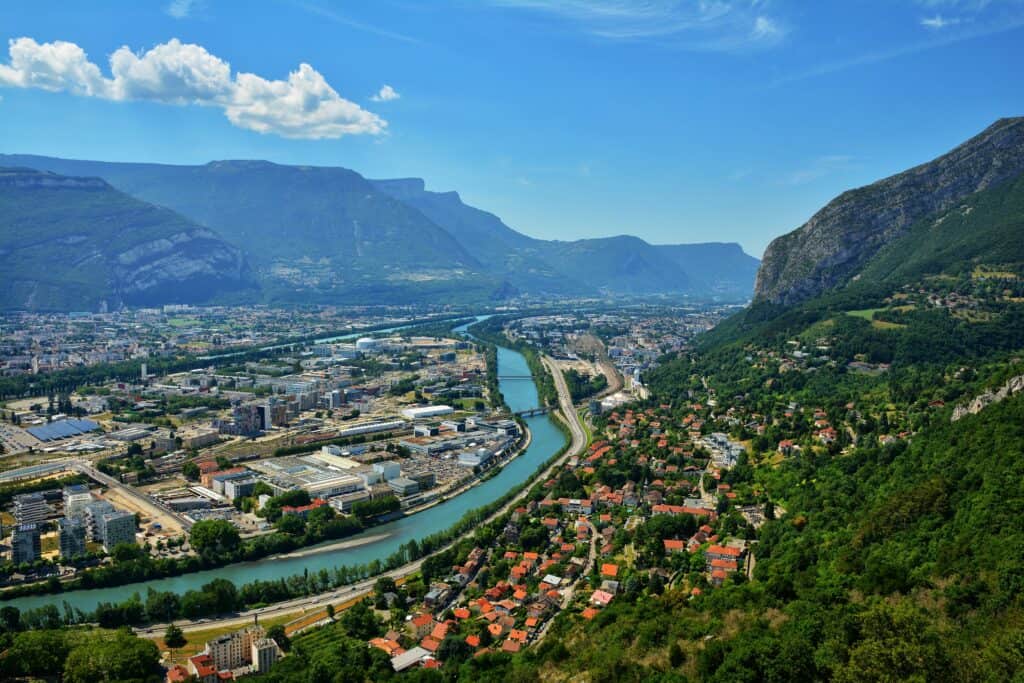
Mountains define Grenoble’s identity. The city sits in a valley where the Chartreuse, Vercors, and Belledonne ranges meet, creating dramatic backdrops from nearly every street corner. Getting above the city reveals the full alpine spectacle.

The Bastille Fortress and Cable Car Experience

Fort de La Bastille towers 476 metres above Grenoble’s rooftops. Built in the 19th century as a military fortification, this hilltop fortress now serves as the city’s most recognised landmark. The panoramic views stretch across three mountain ranges and the Isère River valley below.

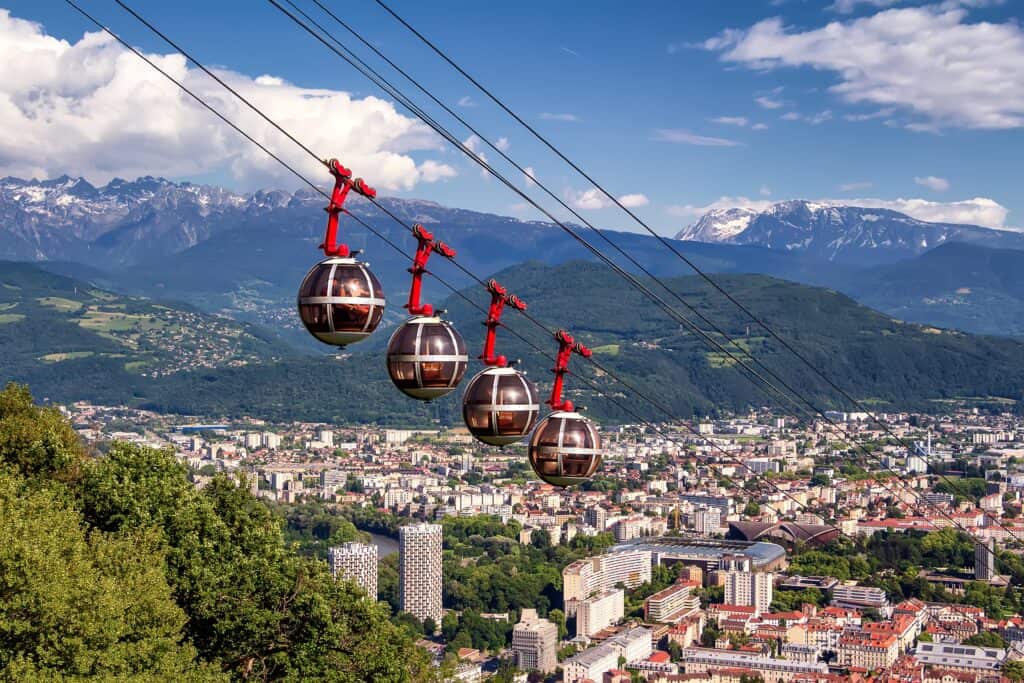
Two routes lead to the summit. The Téléphérique cable car, affectionately called “Les Bulles” (The Bubbles) for its distinctive spherical gondolas, makes the journey in under five minutes. These transparent pods have transported visitors since 1934, making them one of the world’s oldest urban cable car systems. The ride costs approximately €9 return and operates year-round except for maintenance periods.

Walking up takes considerably longer. The marked footpath winds through fortification walls and defensive positions, offering historical context that the cable car misses. Allow 45 to 90 minutes, depending on your pace and how often you stop to examine the architecture. The path is steep but well-maintained, with several rest points along the way.

Once at the top, several restaurants and cafes offer refreshments. The terrace provides ideal spots for photographing the city against its mountain backdrop. On clear days, visibility extends to Mont Blanc in the distance.

Exploring Grenoble’s Old Quarter Streets

The Vieux Grenoble district preserves centuries of Alpine urban life. Narrow cobblestone lanes wind between buildings dating from the 15th and 16th centuries, their pastel facades creating photogenic corridors. Unlike heavily restored tourist quarters elsewhere, this area maintains its working neighbourhood character.

Place Saint-André forms the historical heart. This square has witnessed everything from medieval markets to revolutionary gatherings. The Café de la Table Ronde, established in 1739, occupies one corner. It claims the title of France’s second-oldest cafe and served as a meeting point for resistance fighters during World War II. The interior preserves much of its 18th-century character, though the menu has modernised considerably.

From Place Saint-André, walk towards Place aux Herbes. This smaller square hosted the city’s herb and vegetable market for centuries. The buildings surrounding it feature typical Dauphinois architecture, with wide wooden shutters and wrought-iron balconies. Several artisan shops now occupy the ground floors, selling regional products and crafts.

The covered market, Halles Sainte-Claire, is a few minutes’ walk away. Built in the early 20th century, this market hall maintains traditional market culture. Vendors sell everything from locally raised meat to mountain cheeses and seasonal produce. The atmosphere peaks on Saturday mornings when locals shop for weekend meals.

The Grenoble Museum’s Art Collections

The Musée de Grenoble ranks among France’s finest provincial art museums. Its collection spans from ancient Egyptian artefacts to contemporary installations. The building itself, modernised in 1994, provides excellent natural light for viewing paintings and sculptures.

The museum’s 20th-century holdings particularly impress. Works by Picasso, Matisse, and Kandinsky represent major artistic movements. The local connection appears through pieces by artists who lived or worked in the Grenoble region. These regional works often depict Alpine landscapes and mountain life, offering artistic interpretations of the surrounding geography.

What distinguishes this collection is its coherent narrative. Rather than assembling masterpieces randomly, the curators trace artistic development through carefully selected examples. You can follow Impressionism into Modernism, watching techniques and concerns evolve. For anyone interested in art history, this museum provides exceptional value without Paris’s crowds.

The museum also maintains strong connections to contemporary artists. Temporary exhibitions feature current work, often by French creators not yet widely known internationally. These shows change several times annually, ensuring return visits offer fresh perspectives.

Cultural Heritage Through Museums

Grenoble’s museums extend beyond traditional art galleries. Several institutions preserve specific aspects of regional identity, from Alpine ecology to wartime resistance. These collections help visitors understand what makes the Dauphiné region culturally distinct.

The Dauphinois Museum and Alpine Culture

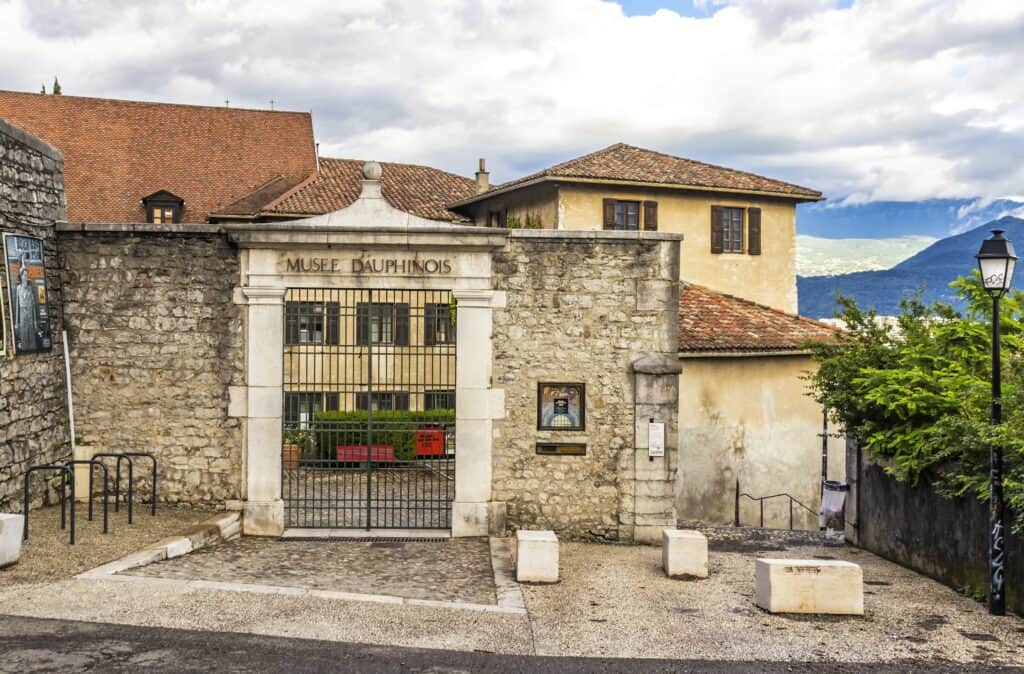
The Musée Dauphinois occupies a former convent building against the hillside. This setting alone merits attention, with its 17th-century chapel and terraced gardens overlooking the city. The museum focuses on how people adapted to Alpine conditions over centuries.

Permanent exhibitions explore mountain agriculture, traditional crafts, and seasonal rhythms that governed life before mechanisation. One section reconstructs typical Alpine dwelling interiors, showing how families maximised limited space in harsh climates. Another displays tools and equipment used for everything from cheese-making to timber work.

The museum treats cultural evolution seriously. Rather than presenting mountain life as quaint or picturesque, exhibitions examine practical challenges and solutions. How did communities maintain connections across difficult terrain? What technologies enabled survival at altitude? Why did certain craft traditions develop in specific valleys?

Temporary exhibitions often address contemporary Alpine issues. Past shows have explored tourism’s impact, climate change effects on mountain ecosystems, and how modern infrastructure alters traditional communities. These exhibitions acknowledge that Alpine culture continues evolving rather than existing as frozen heritage.

Resistance and Wartime History

The Musée de la Résistance et de la Déportation de l’Isère documents one of France’s most active resistance regions during World War II. Grenoble’s position near the Italian border and its mountain terrain made it strategically important for both occupation forces and resistance networks.

The museum chronicles how ordinary citizens became resistance fighters. Personal testimonies, documents, and artefacts tell individual stories within the larger historical context. You learn about clandestine newspaper printing, sabotage operations, and the dangerous work of sheltering refugees and Allied airmen.

One section focuses on the Vaucluse Massif southwest of Grenoble. This plateau became a major maquis stronghold, where resistance fighters established a temporary free zone in summer 1944. The subsequent German assault on the plateau resulted in significant casualties and destruction. The museum preserves this difficult history without sensationalising it.

Visiting requires emotional preparation. The deportation section documents local Jewish persecution and the camps where many Grenoble residents perished. The museum handles this material respectfully, focusing on individual experiences and allowing visitors space to absorb difficult information.

Natural History and Scientific Collections

The Musée d’Histoire Naturelle occupies a quieter role in Grenoble’s cultural landscape. Its collections emphasise regional biodiversity, particularly species adapted to Alpine environments. The museum attracts fewer international visitors but offers substantial educational value.

Alpine fauna displays include ibex, chamois, and marmots in naturalistic settings. These animals inhabit the surrounding mountains, making the museum an excellent preparation for hiking trips. Understanding local wildlife enhances mountain experiences and promotes responsible behaviour in natural areas.

The mineral collection reflects the region’s geological wealth. Alpine rock formations create diverse mineral deposits, and the museum displays both common and rare specimens. For anyone interested in Earth sciences, these collections provide tangible examples of geological processes.

A modest aquarium features freshwater species from local rivers and lakes. While not comparable to major oceanographic institutions, it demonstrates mountain stream ecosystems and the species that inhabit them. The display includes information about water quality and conservation challenges facing Alpine waterways.

Authentic Dauphinois Flavours

Food culture in the Dauphiné region developed around local ingredients and preservation needs. Mountain climates and limited growing seasons shaped distinctive dishes. Today, these traditional preparations remain central to regional identity.

The Protected Grenoble Walnut

Noix de Grenoble carries official AOC (Appellation d’Origine Contrôlée) status, the same legal protection granted to Champagne and Roquefort cheese. This designation recognises specific growing conditions in the Isère valley that produce walnuts with particular characteristics.

These walnuts grow along the Isère River, where mineral-rich water and valley microclimates create ideal conditions. The shells are notably thin and pale, while the kernels have a delicate, slightly sweet flavour distinct from walnuts grown elsewhere. Harvest occurs in autumn when locals celebrate with festivals and markets.

You’ll find Grenoble walnuts everywhere in the city. Bakeries incorporate them into breads and pastries. Confectioners coat them in chocolate or caramelise them. Local cheese-makers press them into soft cheeses. Markets sell both fresh walnuts in season and preserved kernels year-round.

The walnut’s cultural importance extends beyond cuisine. Walnut wood features in traditional furniture-making, prized for its fine grain and warm colour. The trees themselves line many country roads, their distinctive canopy shape marking the landscape. This deep integration into regional life explains why the walnut earned its protected status.

Traditional Dauphinois Dishes Worth Seeking

Gratin dauphinois might be France’s most famous potato dish, but restaurant versions often disappoint. Authentic preparation requires a specific technique. Thinly sliced potatoes are layered with cream and garlic, then baked slowly until tender inside and golden on top. No cheese, despite what many recipes claim. The cream should partially absorb into the potatoes while forming a crisp upper layer.

Finding properly made gratin dauphinois takes effort. Tourist-oriented restaurants often serve heavy, cheese-laden versions that bear little resemblance to traditional recipes. Ask locals for recommendations, or seek out family-run establishments in residential neighbourhoods. La Ferme à Dédé, mentioned in the original article, maintains a good reputation for traditional preparations, though booking ahead proves essential.

Raclette cheese provides another regional speciality. While Swiss associations dominate, the French Alps produce excellent raclette. The dining experience involves melting cheese at the table and scraping it over boiled potatoes, cured meats, and pickled vegetables. Several restaurants specialise in raclette service, which is particularly welcome during cold months.

Chartreuse liqueur connects Grenoble to nearby monastic traditions. Carthusian monks have produced this herbal liqueur since 1737, following a secret recipe containing 130 plants. Both green and yellow varieties exist, each with distinct flavour profiles. The Chartreuse cellars in Voiron, a short distance from Grenoble, offer tours and tastings for those interested in liqueur production history.

Market Culture and Local Shopping

A scenic view of Grenoble with illuminated buildings and streets, winding along a river and surrounded by green hills and mountains at dusk, with cloudy skies overhead.

Market days reveal Grenoble’s food culture most authentically. The Marché de l’Estacade operates Tuesday through Sunday mornings along the river. Vendors sell seasonal produce, regional cheeses, cured meats, fresh fish, and prepared foods. This market attracts both locals doing weekly shopping and visitors seeking regional products.

Saturdays bring the largest crowds to Halles Sainte-Claire. This covered market houses permanent vendors selling everything from flowers to olive oil. The cheese stands deserve particular attention, displaying dozens of varieties from the surrounding mountain valleys. Vendors typically offer samples and provide detailed information about production methods and ageing processes.

Shopping at markets requires some adjustment for visitors accustomed to supermarkets. Bring your own bags, as vendors rarely provide packaging. Arrive early for the best selection, particularly for popular items like fresh bread or specific cheese varieties. Most vendors speak limited English, so basic French phrases prove helpful.

Several speciality shops complement the markets. Chocolatiers feature local walnuts in various preparations. Wine merchants stock bottles from nearby Savoie and Rhône Valley vineyards. Delicatessens prepare regional dishes for takeaway, ideal for picnics or apartment stays.

Mountain Adventures and Winter Sports

Grenoble’s location makes it an excellent base for Alpine activities. Within an hour’s drive, several ski resorts and hiking areas offer outdoor recreation across skill levels. The city itself provides comfortable accommodation and dining options between mountain excursions.

Accessing the Chartreuse Mountains

The Chartreuse massif rises immediately north of Grenoble, its limestone cliffs and forests visible from the city centre. This protected regional park offers hiking trails, climbing routes, and winter sports facilities. The mountains are less developed than major Alpine resorts, preserving a wilder character.

Summer hiking options range from gentle valley walks to challenging ridge traverses. The Sappey-en-Chartreuse area, accessible by local bus, provides numerous marked trails. The Charmant Som peak rewards climbers with panoramic views extending to Mont Blanc on clear days. Trail conditions vary seasonally, so checking current information before setting out proves wise.

Winter transforms the Chartreuse into ski territory. Several small resorts operate within the range, including Sappey-en-Chartreuse and Saint-Pierre-de-Chartreuse. These facilities emphasise local skiing rather than international resort culture. Lift tickets cost significantly less than at major destinations, and crowds remain manageable even during school holidays.

Cross-country skiing attracts many enthusiasts to the Chartreuse. Groomed trails wind through forests and across plateaus, offering peaceful alternatives to downhill skiing. Equipment rental shops operate near major trail systems. The terrain suits beginners while providing enough variety to interest experienced skiers.

Major Ski Resorts Near Grenoble

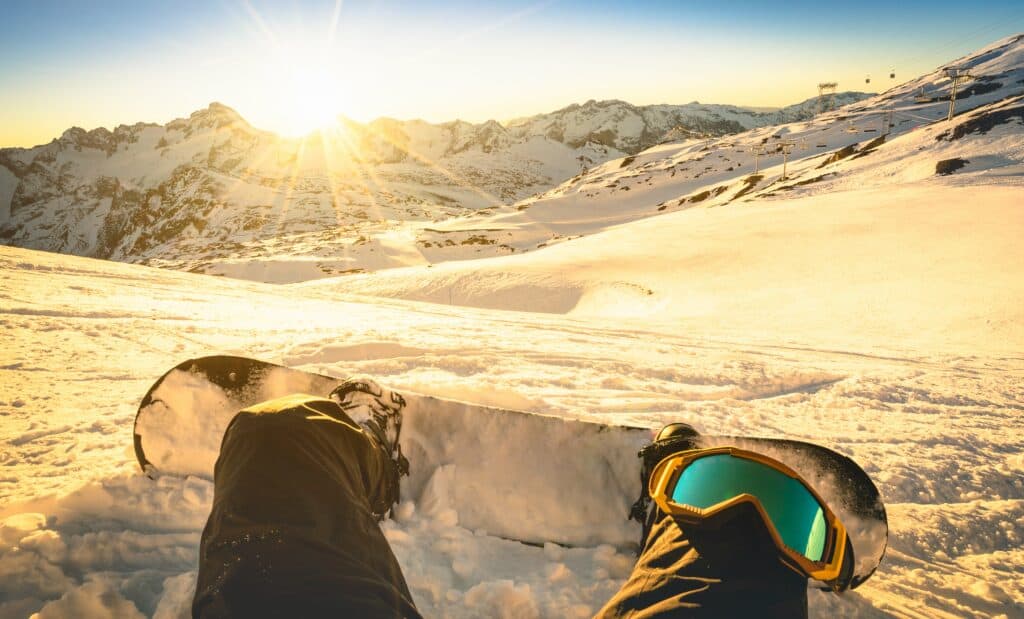
More substantial skiing lies slightly farther from the city. Chamrousse, hosting events during the 1968 Winter Olympics, sits about 30 kilometres east. This medium-sized resort offers varied terrain across different elevations. The altitude ensures relatively reliable snow conditions from December through April.

Les Deux Alpes and Alpe d’Huez, two of France’s larger resorts, are roughly 90 minutes from Grenoble by car. Both feature extensive lift systems and terrain suitable for all ability levels. Summer skiing is possible on the Les Deux Alpes glacier, attracting training camps and off-season enthusiasts.

Transportation options to ski resorts vary. Rental cars provide the greatest flexibility for accessing multiple areas. Bus services operate to popular resorts during the winter season, though schedules may limit spontaneous trips. Some resorts offer package deals including transport from Grenoble, worth investigating for multi-day visits.

Equipment rental in Grenoble itself often costs less than resort prices. Several shops near the train station cater to ski visitors, offering multi-day rental discounts. Renting equipment in the city allows you to board buses or shuttle services ready to ski, saving time at the resort.

Summer Activities and Cycling Routes

A vibrant Grenoble cityscape at dusk, with colorful buildings and bright streetlights reflecting on a calm river, mountains in the background, and a softly lit pedestrian path along the water.

Warm months open different recreational possibilities. The Via Rhôna cycling route passes through Grenoble, following the Rhône River valley from Lake Geneva to the Mediterranean. The section near Grenoble offers relatively flat cycling along river paths with mountain views.

Local cycling culture thrives year-round. Grenoble has invested considerably in bike infrastructure, creating separated lanes and bike-friendly traffic signals. Rental systems allow easy access to bicycles for exploring the city and the nearby countryside. The terrain around Grenoble provides everything from gentle river valleys to challenging mountain climbs.

Rock climbing attracts enthusiasts to limestone cliffs throughout the region. The Vaucluse massif, southwest of Grenoble, offers particularly good climbing with routes across difficulty grades. Local climbing shops provide route information and can recommend areas matching your experience level.

The Isère River supports various water activities during the summer. Kayaking and rafting trips run sections of the river, with difficulty levels from gentle floats to technical whitewater. Several companies operate from Grenoble, offering guided trips and equipment rental for independent paddlers.

Conclusion

Grenoble rewards exploration beyond surface attractions. This Alpine city combines accessible mountain experiences with authentic urban culture. The dramatic setting provides a constant backdrop, while museums and markets reveal the regional character developed over centuries.

The city works particularly well for visitors wanting mountain access without resort atmospheres. You can ski or hike during the day, then return to proper restaurants and cultural venues for evenings. This combination distinguishes Grenoble from purpose-built ski destinations.

Whether you’re drawn by history, outdoor activities, or regional cuisine, Grenoble offers substance behind its scenic facade. The city remains genuinely French rather than tourist-oriented, making it ideal for travellers seeking authentic experiences beyond the usual destinations.

Leave a comment

Your email address will not be published. Required fields are marked *