


Enter the Animal Kingdom through the Giza Zoo
Updated On: March 10, 2024 by  Dina Essawy
The Giza Zoo, Egypt’s and Africa’s first zoo ever, is located in the governorate of Giza in Egypt and covers about 80 acres. It is home to many endangered and rare African species, including the first California sea lion born in the Middle East in 2002.
The history of the zoo goes back to the 19th century. It was constructed by Khedive Ismail, who ruled Egypt and Sudan from 1863 to 1879 and opened on 1 March 1891. Khedive Ismail was keen on creating a new modern Cairo that would compete with European countries where he lived for many years, and Giza Zoo was one of his top projects.
Because he wanted it to be a unique place, Khedive Ismail imported many plants from India, Africa, and South America. One of these imports, a banyan tree planted about 1871, can still be found at the Zoo. He also provided the Zoo with 180 birds and 78 other animals in his menagerie.
When it was first built, the zoo was considered a marvel in Egypt, the Middle East, and the entire world. The exhibits built within the zoo were considered spacious by European standards. The Giza Zoo once contained around 20,000 animals representing 400 species.
By the mid-twentieth century, the Giza Zoo was considered one of the best zoos in the world and went on to gain immense popularity. In 2007, the Giza Zoo received almost 3.4 million visitors. To this day, it remains a very popular attraction for children and families during weekends and public holidays.
When Khedive Ismail fell into debt in the late 1870s, he had to hand over the Zoo to the state as payment.
A Historical Oasis
The Giza Zoo, also known as the Cairo Zoo, is Egypt’s oldest and largest zoological garden. Its inception dates back to the late 19th century during the reign of Khedive Ismail. Originally intended as a private menagerie for the royal family, it was later opened to the public, marking the beginning of its journey as a hub for wildlife preservation and public education.
Over the decades, the zoo has evolved significantly, expanding its facilities and enhancing its conservation efforts. It spans over 80 acres of lush greenery today, providing a tranquil retreat amidst the urban landscape. Its architectural marvels, including ornate gates and historic buildings, reflect the grandeur of Egypt’s past while serving as a beacon for environmental stewardship in the present day.
Diverse Wildlife Collection
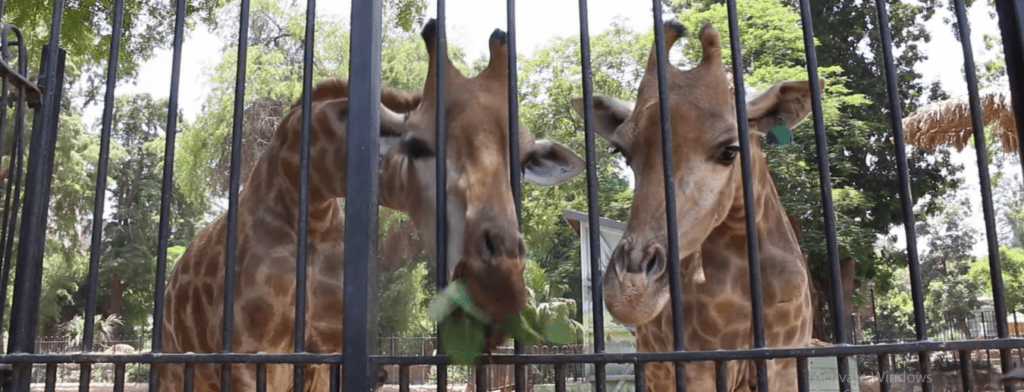
One of the most captivating aspects of the Giza Zoo is its diverse collection of wildlife from across the globe. Visitors can journey through various ecosystems, encountering animals ranging from majestic lions and graceful giraffes to exotic birds and reptiles. The zoo’s meticulously designed habitats aim to replicate the natural environments of its inhabitants, ensuring their comfort and well-being.
Among the zoo’s highlights are its rare and endangered species, which play a crucial role in conservation efforts. From the elusive Egyptian vulture to the critically endangered Addax antelope, each resident serves as an ambassador for their species, raising awareness about the importance of protecting biodiversity. Through educational programs and interactive exhibits, visitors gain insight into the challenges facing these animals in the wild and learn how they can contribute to their conservation.
Explore the Giza Zoo
The zoo comprises five areas; the biggest is Citadel Hill, constructed in 1867. It features statues of extinct Fayoum crocodiles, rhinoceros, and unique birds.
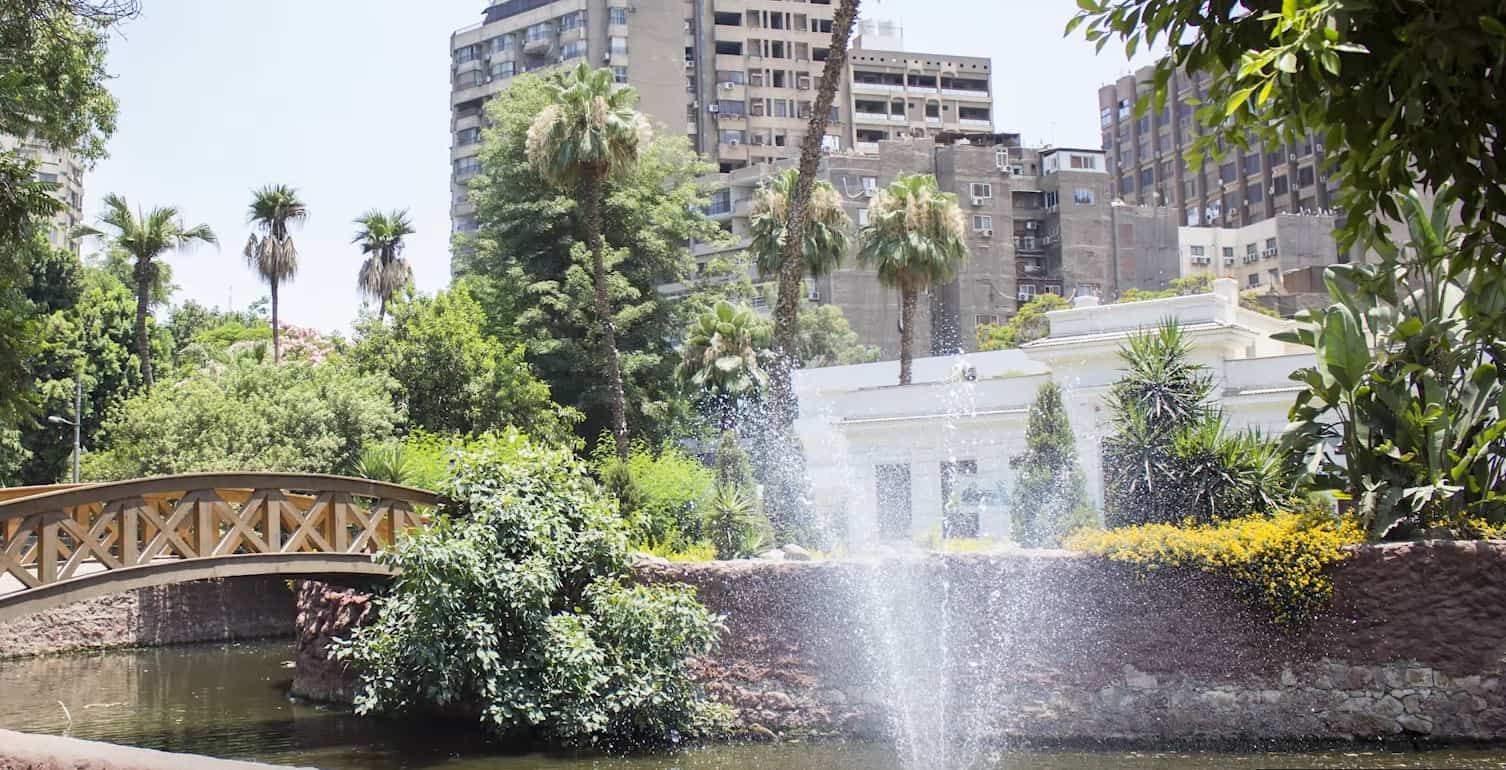
The layout of the gardens within the Giza Zoo is quite beautiful, as it is paved with black stone flags from Trieste, footpaths decorated with pebbles laid out like mosaics, and it also contains a pond with a marble island that is now the zoo’s Tea Island.
The zoo also includes a suspension bridge designed by Gustave Eiffel that lets visitors view the animals from above. This bridge is said to have been the world’s first elevated viewing area at any zoo.
A museum was built in 1906, exhibiting an extensive collection of embalmed birds, reptiles, fish and animals, and skeletons.
The Zoo is also an institute where scientists observe and study the behaviour of animals and birds. Five non-governmental organizations carry out campaigns encouraging people to preserve wildlife and promote environmental awareness in Egypt.
Immersive Experiences
Beyond observing animals from a distance, the Giza Zoo offers a range of immersive experiences that allow visitors to engage with wildlife up close. Guided tours led by knowledgeable staff provide fascinating insights into the behaviour and biology of various species, offering a deeper appreciation for the natural world.
For those seeking a hands-on experience, the zoo offers opportunities for animal encounters and feeding sessions under the supervision of trained professionals. Whether petting a gentle camel or feeding a playful monkey, these interactions foster a sense of connection and empathy towards animals, inspiring visitors to advocate for their welfare.
Additionally, the zoo hosts educational workshops and conservation programs designed to inspire the next generation of environmental stewards. Through interactive activities and engaging presentations, children and adults alike learn about the importance of biodiversity conservation and their role in protecting our planet’s precious resources.
Sustainability Initiatives
As awareness of environmental issues grows, the Giza Zoo is committed to implementing sustainable practices to reduce its ecological footprint. From energy-efficient lighting systems to water conservation measures, efforts are underway to minimize resource consumption and promote environmental stewardship.
Furthermore, the zoo actively participates in breeding programs for endangered species, collaborating with international conservation organizations to ensure the survival of threatened populations. Through research initiatives and partnerships with local communities, it seeks to address the root causes of habitat loss and species decline. It works towards a future where humans and wildlife can coexist harmoniously.
Family-Friendly Attractions
The Giza Zoo is a popular destination for families, with various attractions and activities designed to entertain visitors of all ages. Children can enjoy pony rides, camel rides, and train rides around the zoo, while playgrounds and picnic areas provide opportunities for relaxation and play. Educational workshops and storytelling sessions are also available to engage young minds and foster a love for wildlife and nature.
Conservation Efforts

Beyond its role as a recreational destination, the Giza Zoo is actively involved in conservation initiatives aimed at protecting endangered species and preserving biodiversity. The zoo participates in breeding programs for threatened species, such as the Arabian oryx and the Nubian ibex to reintroduce them into their natural habitats.
Moreover, the zoo collaborates with local and international conservation organizations to support research projects and raise awareness about pressing environmental issues. Through community outreach programs and educational workshops, the Giza Zoo strives to instil a sense of responsibility towards the natural world and inspire future generations to become stewards of the planet.
Challenges and Future Prospects
Despite its rich history and noble mission, the Giza Zoo faces numerous challenges in its quest to conserve wildlife and provide quality care for its residents. Limited funding, overcrowding, and outdated infrastructure are among the key issues that need to be addressed to ensure the institution’s long-term sustainability.
Nevertheless, there is hope on the horizon. Efforts are underway to modernize the zoo’s facilities, improve animal welfare standards, and enhance visitor experiences. By embracing innovation and forging partnerships with governmental agencies, NGOs, and the private sector, the Giza Zoo aims to overcome these challenges and continue its legacy as a beacon of conservation and education.
Exploring the Surroundings
Adjacent to the Giza Zoo lies the picturesque Giza Botanical Gardens, a lush oasis of greenery and tranquillity. Spread across 30 acres, the gardens feature a stunning collection of plant species from Egypt and worldwide, including towering palms, fragrant roses, and exotic orchids.
Visitors can wander along meandering pathways, pausing to admire the vibrant blooms and listen to the soothing sounds of flowing water. The gardens also offer scenic spots for picnics and relaxation, making them the perfect complement to a day spent exploring the zoo.
Visiting Tips
When planning a visit to the Giza Zoo, it’s essential to keep a few tips in mind to make the most of your experience. Be sure to wear comfortable shoes and clothing, as you’ll be doing a lot of walking and exploring. It’s also a good idea to bring sunscreen, a hat, and plenty of water, especially during the hot summer months.
Additionally, consider visiting during off-peak hours to avoid crowds and long queues. Weekdays are generally less busy than weekends, making them ideal for a more relaxed and enjoyable visit. Finally, don’t forget to bring a camera to capture all the memorable moments and breathtaking sights the zoo offers.
Conclusion
The Giza Zoo is a testament to Egypt’s rich natural heritage and its commitment to wildlife conservation. From the African savannah’s majestic lions to the Bird Aviary’s colourful inhabitants, the zoo offers a captivating journey into the animal kingdom.
As visitors wander through its verdant pathways and encounter its diverse residents, they are entertained, educated, and inspired to become stewards of the environment. By supporting initiatives that promote conservation and sustainable living, we can ensure that future generations inherit a world where humans and animals coexist harmoniously.
So, the next time you find yourself in Cairo, take a walk on the wild side and immerse yourself in the wonders of the Giza Zoo – where adventure awaits at every turn.

Exploring the Rich Tradition of Gaelic Festivals: Samhain, Imbolc, Bealtaine, and Lughnasadh
Festivals and Events
16/04/2024

Legendary Irish Golfers: A Celebration of the Emerald Isle’s Champions
Culture Exploration
16/04/2024

Westminster Pier – London Attractions
England
16/04/2024

Exploring the Ancient Meaning and Symbolism of Ailm: Strength and Endurance in Celtic Culture
Mythology and Folklore
16/04/2024

The Brandy Alexander Cocktail
Culture Exploration
16/04/2024