


Giant’s Ring Belfast-Stone Age Passage Tomb
Updated On: April 07, 2024 by  Noha Nabil
In the verdant countryside of Northern Ireland, just south of Belfast, lies a remarkable ancient monument shrouded in mystery and majesty – the Giant’s Ring. This enigmatic structure, dating back over 5,000 years, is a testament to our Neolithic ancestors’ ingenuity and spiritual beliefs. Nestled within a lush landscape, the Giant’s Ring is a remarkable archaeological site and a window into the distant past, offering tantalizing clues about the rituals and customs of those who once inhabited this land.
Discovery and Origins
The Giant’s Ring, also known as ‘Béal Feirste’ in Irish, meaning “mouth of the sandbank”, was first documented in the 17th century by antiquarian William Camden. However, it wasn’t until the late 19th and early 20th centuries that serious archaeological investigations began. Excavations led by George Petrie in the 1830s revealed its true significance – a massive ceremonial enclosure dating back to the Neolithic period, approximately 2700-2500 BCE.
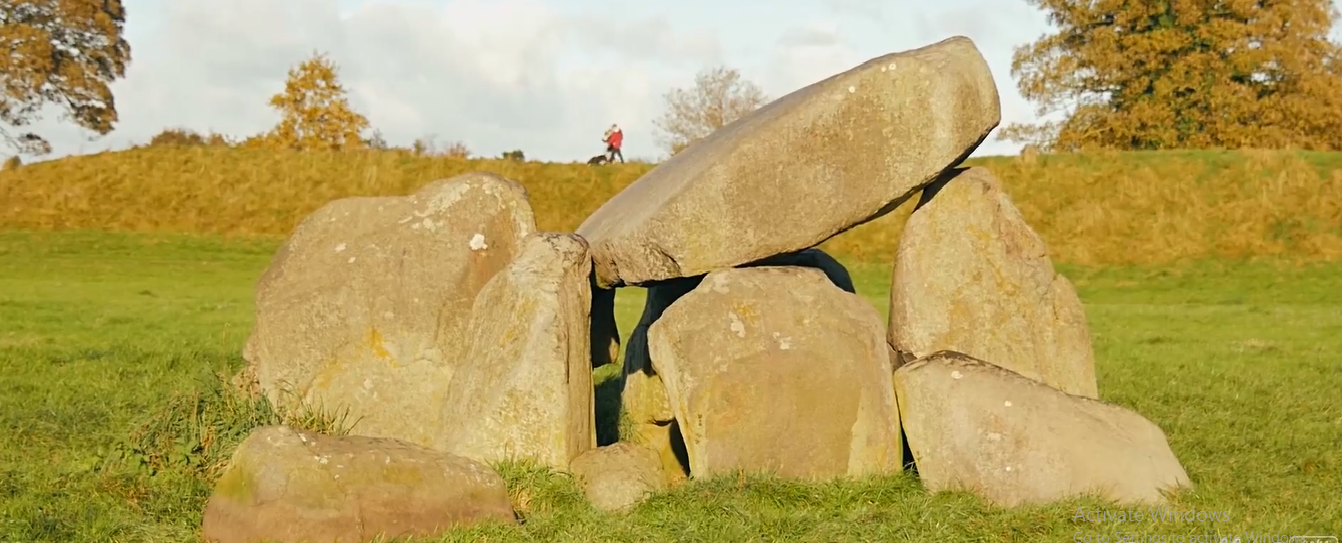
This ancient monument consists of a circular earthwork enclosure, roughly 200 meters in diameter, with an imposing megalithic dolmen at its centre. The structure comprises a large ring of earth banks and ditches, with a single entrance facing northeast. Within this enclosure lies the heart of the site – a towering megalithic tomb, a passage grave constructed with imposing upright stones and capped with a massive stone slab. The tomb’s design suggests it was intended for ritualistic purposes, possibly as a burial site for prominent individuals or as a sacred space for ceremonies and communal gatherings.
Architectural Marvels
The construction of the Giant’s Ring showcases the remarkable engineering prowess of its builders. The earthworks surrounding the site required immense effort and coordination, with the builders shaping the landscape to form a circular enclosure using simple tools and sheer manpower. The precise positioning of the megalithic stones within the tomb further demonstrates their advanced understanding of geometry and astronomy, aligning with celestial events such as the winter solstice.
The Dolmen itself is a marvel of megalithic architecture. Comprised of several large stones, the tomb’s design allows for a central chamber accessed by a narrow passage, where the remains of the deceased may have been interred. The capstone, estimated to weigh several tons, rests atop the upright stones, creating an imposing and awe-inspiring structure that would have dominated the surrounding landscape in antiquity.
Cultural Significance
The Giant’s Ring holds immense cultural and spiritual significance, offering invaluable insights into the beliefs and practices of Neolithic societies. Archaeological evidence suggests that this site was used for religious ceremonies, rituals, and burial rites, underscoring the importance of ancestor veneration and communal gatherings in ancient Irish society.
The alignment of the tomb with celestial phenomena, such as the winter solstice, suggests a deep connection to the natural world and a profound understanding of astronomical cycles. It’s believed that rituals performed at the Giant’s Ring may have been linked to seasonal changes, agricultural cycles, and celestial events, reinforcing the interconnectedness between the ancient inhabitants and their environment.
Mysteries and Interpretations
Despite decades of archaeological study, many aspects of the Giant’s Ring remain mysterious, leaving scholars and researchers intrigued by its enigmatic past. One of the most enduring mysteries surrounds the purpose of the site and the significance of its elaborate earthworks and megalithic structures. Some theories suggest that the Giant’s Ring served as a ceremonial centre or a sacred gathering place for the local community. In contrast, others propose more esoteric interpretations, linking the site to ancient mythologies and cosmic symbolism.
The presence of human remains within the tomb raises questions about the individuals buried there and their social status within Neolithic society. Were they revered ancestors, tribal leaders, or religious figures? The absence of written records from this period makes it challenging to discern the true meaning and significance of the site, leaving room for speculation and interpretation.
Preservation and Legacy
Recognizing its cultural and historical importance, the Giant’s Ring has been designated as a Scheduled Historic Monument by the Northern Ireland Environment Agency, ensuring its preservation for future generations. Efforts to conserve and protect the site have included ongoing archaeological research, site management, and public outreach initiatives to raise awareness of its significance.
Today, the Giant’s Ring captivates visitors worldwide, drawing archaeologists, historians, and spiritual seekers to its ancient embrace. As we marvel at the ingenuity and creativity of our Neolithic ancestors, we are reminded of the enduring legacy of human civilization and the timeless quest to understand our place in the cosmos.
In conclusion, the Giant’s Ring is a testament to the enduring legacy of Ireland’s ancient past, a sacred site imbued with mystery, symbolism, and spiritual significance. As we gaze upon its weathered stones and contemplate the rituals performed within its hallowed confines, we are reminded of the profound connection between humanity and the land, echoing across the millennia.
Exploring the Wonders Near Giant’s Ring
1. Lagan Valley Regional Park: Just a stone’s throw away from the Giant’s Ring lies the Lagan Valley Regional Park, a sprawling expanse of natural beauty along the banks of the River Lagan. Visitors can enjoy leisurely walks, cycling trails, and wildlife spotting amid tranquil woodlands, meadows, and wetlands. The park offers a peaceful retreat from the hustle and bustle of city life, perfect for picnics, birdwatching, or simply unwinding in nature’s embrace.
2. Shaw’s Bridge: Spanning the River Lagan, Shaw’s Bridge is a historic landmark with a fascinating past. Built in the early 18th century, this elegant stone bridge is a testament to Belfast’s industrial heritage and engineering prowess. Today, it is a popular spot for leisure activities such as fishing, kayaking, and riverside strolls. The nearby Shaw’s Bridge Park offers scenic views of the river and is a favourite spot for locals and visitors alike.
3. Minnowburn: Just a short drive from the Giant’s Ring, Minnowburn is a picturesque estate within the Lagan Valley. This idyllic setting features tranquil woodlands, meandering streams, and lush meadows, making it a haven for nature lovers and outdoor enthusiasts. Visitors can explore scenic walking trails, admire historic landmarks such as the Georgian-era Minnowburn House, or simply soak in the serenity of this enchanting landscape.
4. Belfast Botanic Gardens: A visit to Belfast wouldn’t be complete without exploring the city’s beloved Botanic Gardens. Located just a short distance from the Giant’s Ring, this Victorian-era garden oasis boasts an impressive array of exotic plants, floral displays, and tropical greenhouses. Highlights include the Palm House, a stunning glass conservatory filled with rare and endangered species, and the Tropical Ravine, home to a diverse collection of tropical plants and water features.
5. Ulster Museum: Situated within the grounds of the Botanic Gardens, the Ulster Museum is Northern Ireland’s premier museum and a treasure trove of art, history, and natural science. The museum offers a fascinating journey through the region’s rich cultural heritage, from ancient artefacts and archaeological treasures to modern art and interactive exhibits. Highlights include the renowned Irish Gold Collection, the Egyptian mummy Takabuti, and the impressive Game of Thrones Tapestry.
6. Belfast City Centre: Just a short drive from the Giant’s Ring, Belfast City Centre beckons with its vibrant mix of historic landmarks, bustling markets, and lively entertainment venues. Visitors can stroll along the cobbled streets of the Cathedral Quarter, admire iconic landmarks such as Belfast City Hall and the Albert Memorial Clock, or indulge in shopping, dining, and nightlife along the bustling streets of Donegall Square and Victoria Square.
7. Titanic Quarter: A visit to Belfast wouldn’t be complete without exploring the Titanic Quarter, home to the world-famous Titanic Belfast visitor experience. Located just a short distance from the city centre, this historic waterfront district offers a fascinating insight into the Titanic’s tragic story and Belfast’s maritime heritage. Visitors can explore interactive exhibits, step aboard the SS Nomadic, and wander through the historic shipyards where the Titanic was built.
From natural wonders and historic landmarks to cultural treasures and urban delights, the area surrounding the Giant’s Ring is brimming with attractions waiting to be discovered. Whether you’re a history buff, nature enthusiast, or culture vulture, this region offers many experiences that will leave a lasting impression. So why not venture beyond the ancient stones and embark on a journey of exploration and discovery in Belfast’s vibrant backyard?
Conclusion
The area surrounding the Giant’s Ring in Belfast offers a captivating blend of natural beauty, historic landmarks, and cultural attractions that appeal to visitors of all interests and ages. From the tranquil landscapes of Lagan Valley Regional Park to the vibrant streets of Belfast City Centre, there’s no shortage of experiences waiting to be discovered. Whether you’re exploring ancient ruins, strolling along riverside paths, or immersing yourself in the rich history and culture of Northern Ireland, this region is sure to leave a lasting impression. So, next time you find yourself near the Giant’s Ring, be sure to venture beyond its ancient embrace and uncover the wonders that await in Belfast’s captivating backyard.

Discover the Top 15 Best Places to Visit in Northern Ireland
Travel Guides
24/04/2024

How to Find the Best Scotland Travel Guide: An Ultimate Guide
Scotland
24/04/2024

The Ultimate Guide to the Best Shopping Areas in London
England
24/04/2024

The Absolute Guide to the Best Restaurants in Bath, England: Unveiling the Culinary Gems of Bath!
Food and Cuisine
24/04/2024

Planning a Trip to Scotland: Your All-Inclusive Guide to Exploring the Great Highlands
Travel Guides
23/04/2024