


Cushendun Caves – Game of Thrones Filming Location
Updated On: March 16, 2024 by  Ciaran Connolly
The allure of fantasy worlds often transcends the boundaries of our imagination and takes us on remarkable journeys. In television, few series have captured the collective imagination as profoundly as Game of Thrones. One of the hallmarks of this epic saga is its captivating landscapes. Among the filming locations that brought Westeros to life, Cushendun Caves stands out as a place of mystical charm and dramatic beauty. Nestled along the rugged coastline of Northern Ireland, these caves have become an iconic setting that immerses visitors in the fantastical realm of the Seven Kingdoms.
History of Cushendun
Before delving into its connection with Game of Thrones, it’s essential to understand the historical and geographical significance of Cushendun. Situated in County Antrim, Northern Ireland, Cushendun is a quaint village renowned for its picturesque beauty and rich cultural heritage. Its name, derived from the Irish “Cois Abhann Duinne,” meaning “beside the river at the fort,” hints at its ancient origins.
The village itself dates back to the early 19th century, a product of the philanthropic vision of Ronald John McNeill, a notable landowner. Designed by the acclaimed architect Clough Williams-Ellis, Cushendun’s unique charm lies in its blend of Georgian and Scottish Baronial architectural styles, creating a setting reminiscent of a bygone era.
However, it is not just the village’s architectural splendour that draws visitors; it’s also the surrounding natural landscapes, particularly the stunning coastline adorned with rugged cliffs and hidden caves. Among these natural wonders, the Cushendun Caves stand out as both a geological marvel and a testament to the enduring allure of Game of Thrones.
The Game of Thrones Connection
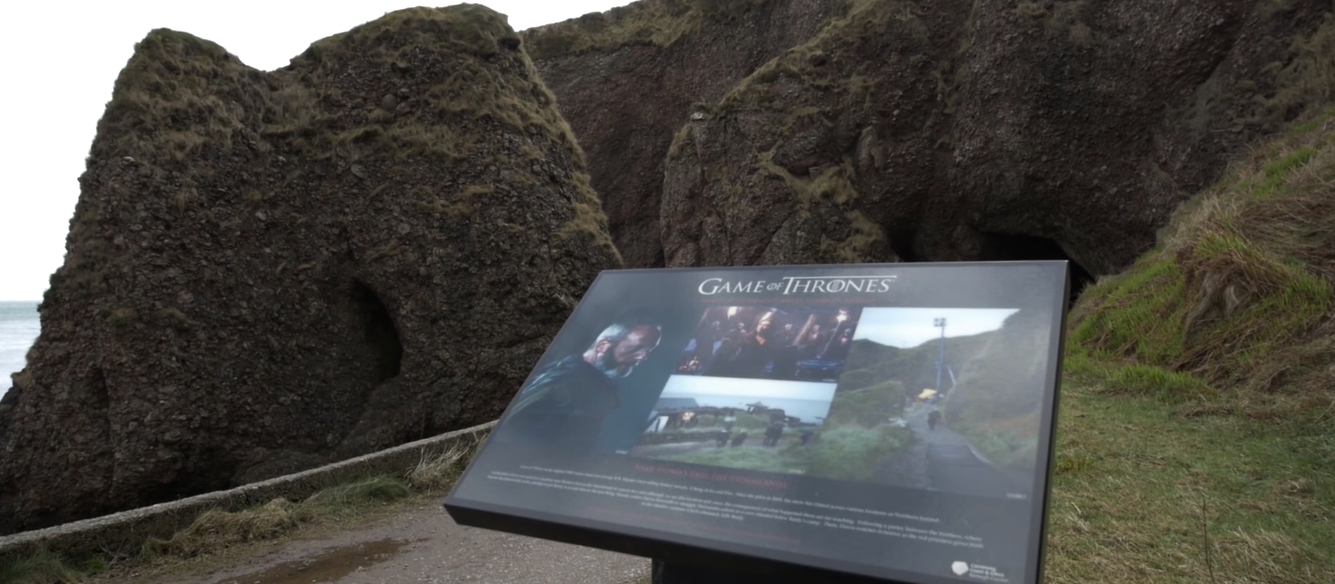
For fans of the epic fantasy series, Cushendun Caves holds a special significance as one of the filming locations used to depict the otherworldly landscapes of Westeros. The caves first appeared in the show’s second season, serving as the backdrop for the mysterious and enigmatic scene where Melisandre, the Red Priestess, gives birth to a shadowy creature.
This pivotal moment in the series encapsulates the eerie and ethereal atmosphere of the caves, with their towering rock formations and hidden chambers adding to the sense of mystique. The juxtaposition of light and shadow, coupled with the crashing waves of the Irish Sea, creates a hauntingly beautiful tableau that perfectly complements the story’s fantastical elements.
Since its debut on Game of Thrones, Cushendun Caves has become a pilgrimage site for fans eager to experience the magic of Westeros firsthand. Visitors flock to this remote corner of Northern Ireland, drawn by the allure of stepping into the footsteps of their favourite characters and witnessing the iconic landscapes that helped bring the series to life.
Exploring Cushendun Caves
Visiting Cushendun Caves is an immersive experience that connects visitors to the area’s natural beauty and rich history. As you approach the caves, you’ll be greeted by the breathtaking sight of the rugged coastline and towering cliffs that frame the entrance to this geological wonder.
The caves themselves are a marvel of nature, carved over millennia by the relentless force of the sea. As you venture deeper into the darkness, you’ll discover a labyrinth of passages and chambers, each one steeped in myth and legend. From the echoing roar of the waves to the eerie silence of the caverns, every step brings you closer to the heart of Cushendun’s mystique.
One of the most striking features of the caves is their distinctive rock formations, sculpted by centuries of erosion. The interplay of light and shadow creates a mesmerizing effect, casting intricate patterns on the walls and ceiling. It’s easy to see why filmmakers were drawn to this otherworldly setting, as every corner offers a new opportunity for cinematic storytelling.
As you explore the caves, watch for the unique wildlife that calls this rugged coastline home. From seabirds soaring overhead to seals basking on the rocks below, the natural beauty of Cushendun is as diverse as it is captivating. Take a moment to soak in the sights and sounds of this pristine wilderness, and you’ll understand why it has captured the hearts of so many.
Beyond the Caves: Exploring Cushendun Village
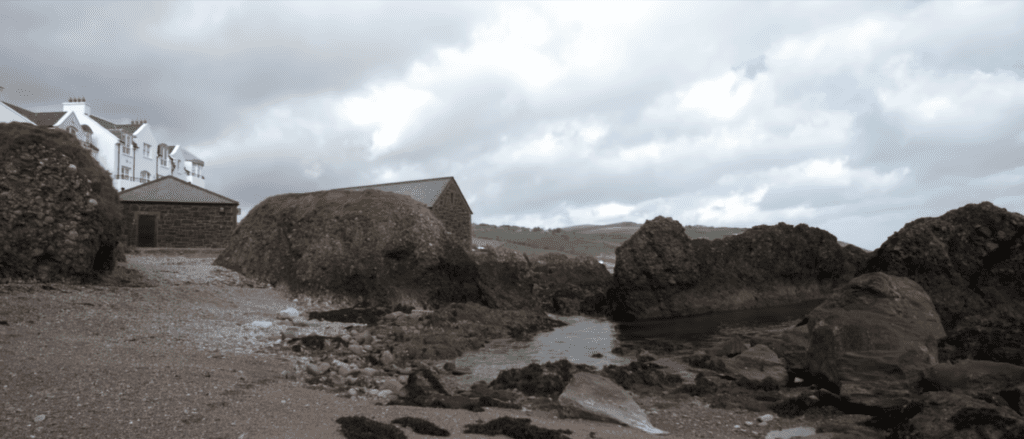
While the caves may be the main attraction for Game of Thrones fans, Cushendun Village offers plenty of other delights to explore. Stroll through the winding streets lined with quaint cottages and charming tearooms, or head down to the picturesque harbour to watch the fishing boats bobbing on the waves.
For history enthusiasts, a visit to nearby Glenmona House is a must. This historic mansion dates back to the 19th century and offers a fascinating glimpse into the lives of the landed gentry who once called Cushendun home. Explore the beautifully landscaped gardens or enjoy a guided tour of the house, where you’ll learn about its rich architectural heritage and storied past.
If you’re feeling adventurous, why not embark on a coastal walk along the famous Causeway Coastal Route? Stretching for over 120 miles along the rugged coastline of Northern Ireland, this scenic trail offers breathtaking views of cliffs, coves, and sea stacks, with plenty of opportunities to spot wildlife along the way.
Ideal Seasons for a Journey to Cushendun Caves
Cushendun Caves beckon adventurers year-round, each season offering its unique charm. However, the best time to visit depends on personal preferences and desired experiences. From March to May, spring brings blooming wildflowers and mild temperatures, ideal for exploring the caves and surrounding landscapes without the summer crowds. From June to August, summer offers longer daylight hours and warmer weather, perfect for coastal walks and outdoor activities.
From September to November, autumn paints the countryside in vibrant hues, creating a picturesque backdrop for cave exploration and seaside adventures. Winter, from December to February, may bring cooler temperatures and shorter days. Still, it also offers a chance to experience the caves in a more tranquil atmosphere, with the possibility of witnessing dramatic stormy seas. Ultimately, any time of year is an excellent time to visit Cushendun Caves, each season offering its allure and opportunities for exploration.
Attractions Near Cushendun Caves
- The Dark Hedges: While not precisely adjacent to Cushendun, the Dark Hedges is another iconic Game of Thrones filming location worth mentioning. Located in Ballymoney, County Antrim, it’s about an hour’s drive from Cushendun. This enchanting avenue of beech trees creates an otherworldly atmosphere, making it a must-visit for fans of the series.
- Giant’s Causeway: Just a short drive from Cushendun, you’ll find one of Northern Ireland’s most famous natural wonders: the Giant’s Causeway. This UNESCO World Heritage Site is renowned for its unique hexagonal basalt columns, formed millions of years ago by volcanic activity. Visitors can explore the dramatic coastline, marvel at the geological formations, and learn about the myths and legends associated with this incredible site.
- Carrick-a-Rede Rope Bridge: Adventure seekers won’t miss the chance to cross the Carrick-a-Rede Rope Bridge. This exhilarating bridge spans a 30-meter chasm between the mainland and a tiny island near the Giant’s Causeway. The views from the bridge are breathtaking, offering panoramic vistas of the rugged coastline and the azure waters below.
- Dunluce Castle: Perched dramatically on a cliff overlooking the Atlantic Ocean, Dunluce Castle is a medieval fortress steeped in history. Once the seat of the powerful MacDonnell clan, the castle’s ruins are now a popular tourist attraction, offering visitors the chance to explore its ancient walls and discover tales of battles, sieges, and intrigue.
- Rathlin Island: For a unique island getaway, consider taking a ferry from Ballycastle to Rathlin Island. This tranquil oasis is known for its stunning scenery, diverse wildlife, and rich maritime heritage. Explore the rugged coastline, visit the renowned RSPB Seabird Centre to see puffins and seabird colonies, or simply enjoy the peace and tranquillity of this remote island retreat.
- Glens of Antrim: Nature lovers will be enchanted by the Glens of Antrim, a series of nine picturesque valleys between rolling hills and dramatic cliffs. Each glen has its unique character, from the lush woodlands of Glenariff Forest Park to the rugged beauty of Glenariff Waterfall. Explore scenic hiking trails, discover hidden waterfalls, and soak up the natural beauty of this idyllic landscape.
- Bushmills Distillery: Whiskey enthusiasts won’t want to miss a visit to the Old Bushmills Distillery, located near the Giant’s Causeway. Established in 1608, it’s one of the oldest licensed distilleries in the world, producing award-winning Irish whiskey renowned for its smooth flavour and rich heritage. Take a guided tour to learn about the whiskey-making process, sample a selection of fine spirits, and immerse yourself in the fascinating history of this iconic distillery.
These attractions offer diverse experiences, from natural wonders and historic landmarks to cultural treasures and adrenaline-pumping adventures. Whether exploring the mystical landscapes of Westeros at Cushendun Caves or embarking on a coastal adventure along the Causeway Coastal Route, Northern Ireland has something to captivate every visitor.
Conclusion
Cushendun Caves may have gained fame as a Game of Thrones filming location, but their true allure lies in their timeless beauty and natural splendour. From the haunting echoes of the caverns to the rugged grandeur of the coastline, this remote corner of Northern Ireland offers a glimpse into a world of myth and legend.
Whether you’re a fan of the show or simply seeking adventure in the great outdoors, visiting Cushendun will leave a lasting impression. So pack your bags, embark on a journey to the heart of Westeros, and discover the magic of Cushendun Caves for yourself.

The Absolute Guide to the Best Restaurants in Bath, England: Unveiling the Culinary Gems of Bath!
Food and Cuisine
24/04/2024
Planning a Trip to Scotland: Your All-Inclusive Guide to Exploring the Great Highlands
Travel Guides
23/04/2024

Your Ultimate Guide to Explore the Top Castles in Kent, England
England
23/04/2024
Weather in Ireland in May: A Guide to Climate, Temperature, and What to Wear
Ireland
23/04/2024

Top Castles to Stay in Edinburgh for an Unforgettable Accommodation Experience
Scotland
23/04/2024