


The Amazing Drumglass Park – Belfast – Lisburn Road
Updated On: April 15, 2024 by  Shaimaa Olwan
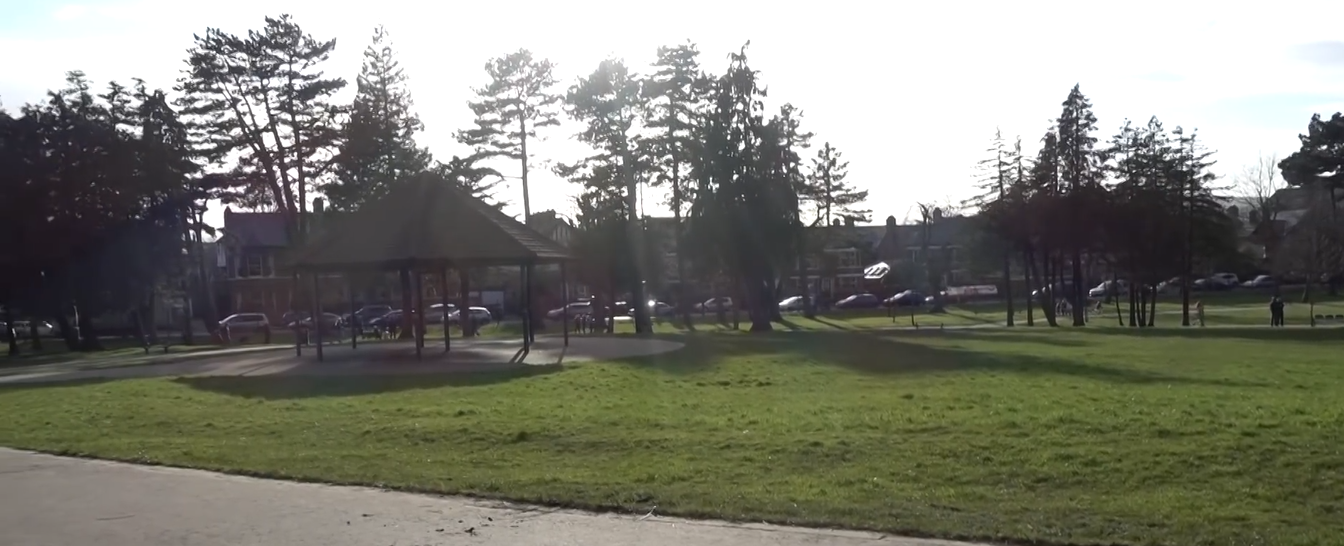
Tucked away amidst the vibrant streets of Belfast’s Lisburn Road lies a hidden gem that offers respite from the city’s hustle and bustle: Drumglass Park. This enchanting green space, rich in history and natural beauty, serves as a sanctuary for locals and visitors, providing a tranquil escape from urban life. Spanning over 11 acres, Drumglass Park boasts a captivating blend of meticulously landscaped gardens, majestic trees, and recreational facilities, making it a beloved destination for relaxation, recreation, and community gatherings.
Where is Drumglass Park?
Drumglass Park lies between the Lisburn and Malone Roads in Belfast. It is a popular hangout for families and young children.
Its History
Drumglass Park takes its name from the estate previously owned by Henry Musgrave, a well-known landowner elected an Honorary Burgess of the City of Belfast in 1917. He lived in Drumglass House, one of the most prestigious houses in the Malone Road area.
After he died in 1922, his six acres of property were left to the city to be used as a public park or children’s playground.
Lady Mayoress of Belfast, Lady Turner, opened the park, initially named Drumglass Playcentre, to the public on 9 September 1924. The house and site’s remaining grounds are now part of Victoria College Girls’ School.
Natural Splendor
One of the most captivating aspects of Drumglass Park is its lush and diverse landscape, which showcases the beauty of Northern Ireland’s flora and fauna. The park is adorned with various trees, including towering oaks, graceful beeches, and majestic chestnuts, providing a verdant canopy that offers shade and shelter throughout the year. Vibrant flowerbeds burst with colour during the spring and summer, attracting butterflies and bees, while tranquil ponds and streams add to the park’s serene ambience.
Visitors to Drumglass Park can meander along winding pathways that weave through its verdant expanses, offering glimpses of hidden alcoves, secluded benches, and charming gazebos nestled amidst the foliage. Whether taking a stroll, enjoying a picnic with family and friends, or simply basking in the beauty of nature, there’s no shortage of ways to savour the tranquillity of this enchanting oasis.
Attractions and Features
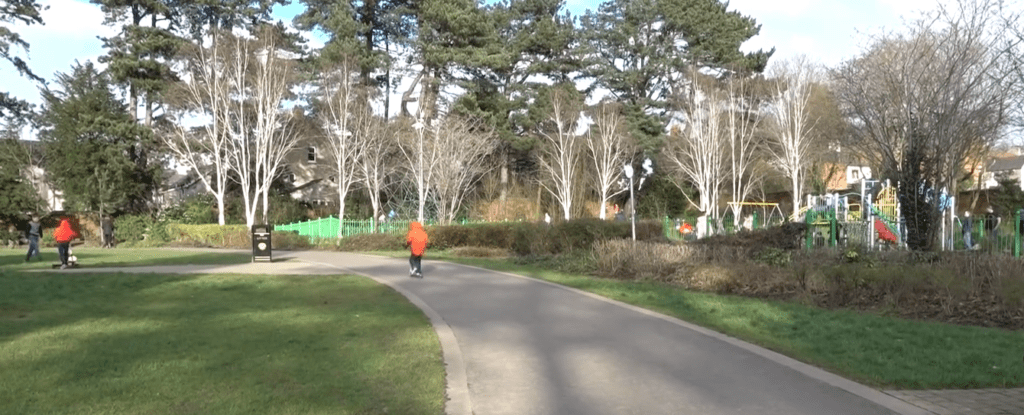
Drumglass Park offers various attractions and features, catering to visitors of all ages and interests. As you enter the park, you are greeted by majestic trees, vibrant flower beds, and winding pathways that beckon you to explore further. Here are some of the highlights that await you in Drumglass Park:
- The Palm House: One of the most iconic features of Drumglass Park is the Palm House, a striking Victorian glasshouse dating back to 1852. Inspired by the architectural style of the Crystal Palace in London, the Palm House is home to a stunning array of tropical plants, including palms, ferns, and exotic flowers. Step inside, and you’ll be transported to a lush oasis where you can marvel at the diversity of plant life from around the world.
- The Bandstand: Overlooking the park’s central lawn stands the historic bandstand, where summer concerts and performances are held. Surrounded by verdant foliage and shaded by towering trees, the bandstand provides the perfect backdrop for musical entertainment and community gatherings.
- Children’s Play Area: For younger visitors, Drumglass Park offers a well-equipped children’s play area, complete with swings, slides, and climbing frames. Designed with safety and fun in mind, the play area is a popular destination for families seeking outdoor recreation and leisure.
- Memorial Garden: Tucked away in a quiet corner of the park is the Memorial Garden, dedicated to the memory of those who lost their lives in conflicts throughout Northern Ireland’s history. The tranquil setting and serene atmosphere make it a poignant spot for reflection and remembrance.
- Sports Facilities: Sports enthusiasts will appreciate the various sports facilities available in Drumglass Park, including tennis courts, football pitches, and a multi-use games area. Whether you’re looking to engage in friendly competition or simply enjoy a leisurely game with friends, there’s something for everyone to enjoy.
Community Engagement and Events
Drumglass Park is vital in fostering community engagement and social cohesion within the local area. The park hosts various events and activities throughout the year, ranging from summer concerts and outdoor film screenings to nature walks and educational workshops. These events provide entertainment and recreation and serve as opportunities for residents to come together and celebrate their shared heritage and culture.
In addition to public events, Drumglass Park also offers various community involvement and volunteering opportunities. Whether participating in a park cleanup initiative or helping to maintain the flower beds and gardens, there are numerous ways for individuals and groups to contribute to the upkeep and preservation of this beloved green space.
The Park Today
Drumglass Park hosts music events during the summer months. The park was refurbished, and new sculptures were added during the process.
Artist Eleanor Wheeler was commissioned by Belfast City Council for the new artwork, joining local schools, Fane Street Primary and Victoria College, and community groups in the design process, which led to the creation of 3 pine cone sculptures across the park.
As part of the £400,000 project, funded by Belfast City Council, the playground was refurbished; pathways in the park were upgraded, and new park furniture and lighting were installed.
Alderman Tommy Sandford, Chair of the council’s People and Communities Committee, said:
“Drumglass Park is a focal point for the community in south Belfast. Drumglass has been transformed to be enjoyed by locals and tourists alike. The stunning, eye-catching pine cone sculptures, in particular, will draw in many more new visitors to the park now.””“Drumglass Park is a focal point for the community here in south Belfast. Drumglass has been transformed to be enjoyed by locals and tourists alike. The stunning, eye-catching pine cone sculptures, in particular, will draw in many more new visitors to the park now.”””“Drumglass Park is a focal point for the community in south Belfast. Drumglass has been transformed to be enjoyed by locals and tourists alike. The stunning, eye-catching pine cone sculptures, in particular, will draw in many more new visitors to the park now.””“Drumglass Park is a focal point for the community here in south Belfast. Drumglass has been transformed to be enjoyed by locals and tourists alike. The stunning, eye-catching pine cone sculptures, in particular, will draw in many more new visitors to the park now.”
Preservation and Conservation Efforts
As a cherished historical landmark, Drumglass Park is subject to ongoing preservation and conservation efforts to maintain its natural beauty and heritage value. The Belfast City Council, in collaboration with local conservation groups and volunteers, works tirelessly to ensure that the park remains a pristine and welcoming environment for generations to come.
From tree planting initiatives to habitat restoration projects, these conservation efforts enhance the park’s aesthetic appeal and promote biodiversity and ecological sustainability. By preserving Drumglass Park, we are preserving a piece of Belfast’s history and safeguarding a vital green space for future enjoyment and appreciation.
Who is Henry Musgrave?
Born in 1827, Henry Musgrave was a Northern Irish businessman and philanthropist, and he was responsible for donating Musgrave Park in Belfast to the city.
The Musgrave family built Drumglass House in Malone in 1855, now serving as Victoria College, a girls’ boarding school.
The family line ended with Henry Musgrave as none of the Musgrave children married, so no one could inherit the estate and properties.
Philanthropy
Musgrave was heavily involved in charity work, especially concerning education and the Presbyterian Church. In 1921, he donated 2 kilometres of land to build Musgrave Park in Belfast. Drumglass Park was formed from six acres of the private garden of the Musgrave family once attached to their home. Musgrave left the garden to the City of Belfast in his will, stipulating that it should be used as a public park or children’s playground.
Not only that, but he also left funds in his will to support students at Queen’s University, Belfast.
Henry Musgrave in Pop Culture
A 2012 play, Ghosts of Drumglass, was performed in Drumglass Park as part of the 2012 Belfast Festival at Queen’s, depicting the life of Henry Musgrave and his family.
Victoria College Takes Over Drumglass House
In 1922, Victoria College purchased Drumglass House to expand its grounds. Vitaglass, the Great Hall and the Headmistress’s house were added in the late 1920s. While the house has not changed much, it has been modernized to provide top-notch facilities to the boarders.
Conclusion
In a bustling urban landscape, Drumglass Park is a tranquil oasis where nature’s beauty reigns supreme and community spirit thrives. With its lush gardens, recreational facilities, and vibrant atmosphere, the park offers a welcome retreat from the stresses of modern life, inviting visitors to unwind, recharge, and reconnect with the wonders of the natural world.
As Belfast’s hidden gem, Drumglass Park continues to enchant and inspire all who wander within its leafy confines, reminding us of the enduring power of green spaces to nourish the body, mind, and soul. Whether seeking solace in solitude or camaraderie in the community, visitors to Drumglass Park will surely find sanctuary amidst its timeless beauty and charm.
Be sure to check out some of the other parks we have visited – Valley Park – Newtonabbey, Pickie Park -Bangor

Mastering the Art of Creating Circular Knots: A Comprehensive Guide to Celtic Knot Designs!
History and Heritage
19/04/2024

The Ultimate 5-Day Scotland Itinerary: Exploring the Highlights of the Highlands!
Travel Tips
19/04/2024

The Ultimate Guide for a Memorable Trip to Scotland from London!
Travel Tips
19/04/2024

Discovering the Breathtaking Beauty of the North Coast of Northern Ireland!
Northern Ireland
19/04/2024

Unveiling the Reign of the Kings of Ulster: Thrones of Power
Mythology and Folklore
19/04/2024