
Article Summary
What this article covers: A practical, up to date guide to visiting Clifden County Galway, covering the town’s history, its best attractions, day trips across Connemara, and what to know before you plan your trip.
Who this is for: Travellers planning a trip to Connemara, visitors basing themselves in Clifden County Galway for a few days, and anyone researching this part of the Wild Atlantic Way before booking.
Key takeaway: Clifden County Galway works best as a base rather than a stop, since the town sits within easy reach of the Sky Road, the Twelve Bens, and some of the most rewarding coastline in the west of Ireland.
Expert insight: “The first time we drove the Sky Road out of Clifden County Galway, with the Atlantic on one side and the Twelve Bens on the other, we understood why so many travellers plan their whole Connemara trip around this one town.” , Ciaran Connolly, Founder of ConnollyCove
Clifden County Galway sits on the edge of the Atlantic in the heart of Connemara, and locals have long called it the capital of the region for good reason. This market town of a few thousand people punches well above its size, with a walkable centre, a genuine live music scene, and some of the best coastal scenery anywhere on the Wild Atlantic Way sitting a short drive from its front door. Clifden County Galway is not a place you tick off in an afternoon between longer stops elsewhere in Ireland; it rewards travellers who give it two or three nights and use it as a base for exploring the wider region.
This ConnollyCove guide covers the history that shaped Clifden County Galway, what there is to see and do in the town itself, the landmarks and islands within easy reach, and the practical detail you need to plan a visit, from getting here to choosing where to stay. Whether you are drawn by the Sky Road, the Twelve Bens, or simply the idea of a slower few days on Ireland’s west coast, Clifden County Galway has a way of extending a planned overnight stop into something longer.
Table of Contents
Where Is Clifden County Galway?
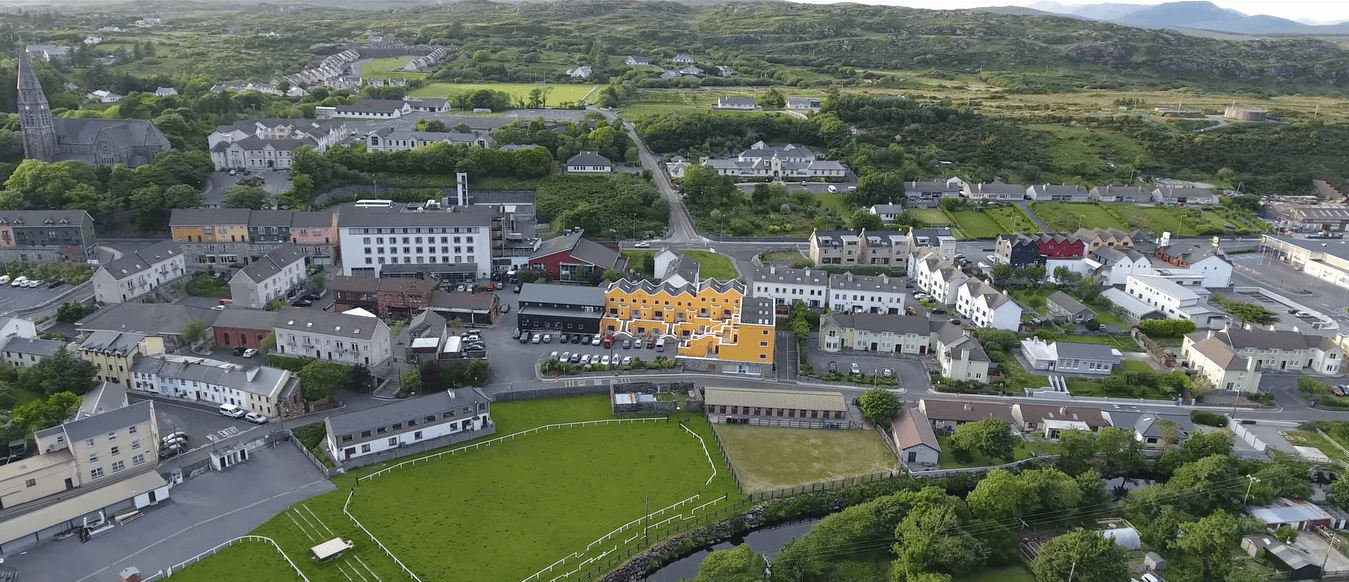
Clifden County Galway lies on the coast of Connemara in the west of County Galway, roughly 80 kilometres from Galway City and within the boundary of the Wild Atlantic Way. The town sits at the head of Clifden Bay, framed by the Twelve Bens mountain range to the north and the open Atlantic to the west, which gives it a genuinely dramatic setting for a town of its size. Because Connemara itself has no single administrative centre, Clifden County Galway has become the natural hub for visitors, with most day trips into the surrounding area starting or ending here.
Getting to Clifden County Galway
Most visitors reach Clifden County Galway by car, either from Galway City along the N59 (around 1 hour 15 minutes) or via Shannon Airport, which sits roughly two and a half hours away by road. The N59 is the more direct route and is kept in reasonable condition, though it narrows considerably once you pass Oughterard and Maam Cross, so allow extra time in poor weather. If you would rather fly into Dublin, the drive west takes around three and a half hours and makes a good introduction to the changing landscape as you cross the country.
Public transport does connect Clifden County Galway to the rest of Ireland, though services are limited compared with larger towns. Bus Éireann and other coach operators run scheduled services from Galway City, and these are a reasonable option if you do not want to drive, though you will have less flexibility for reaching outlying attractions such as the Sky Road or Connemara National Park without a car or bicycle hire.
Once you arrive, getting around Clifden County Galway itself rarely requires transport at all. The town centre is small enough to cross on foot in ten minutes, and several operators on Market Street hire out bicycles and e-bikes for day trips further afield. An e-bike in particular makes routes such as the Sky Road loop or the run out to Cleggan for the Inishbofin ferry manageable even for visitors who would not normally cycle long distances, since the battery assistance takes the edge off the hillier stretches.
Parking in Clifden County Galway is straightforward outside festival weekends. On-street spaces along Main Street and Market Street are metered during the day, while the larger car park near the old Station House complex suits visitors planning to leave a car for several hours while they explore on foot.
Drivers arriving from Northern Ireland or further afield should note that the drive from Belfast to Clifden County Galway takes around four hours, making it a realistic two or three day addition to a longer Irish road trip rather than a single day excursion.
The Best Time to Visit Clifden County Galway
Summer, from June to August, is the busiest season in Clifden County Galway, with long daylight hours and the town’s main festivals falling in this window. If you would rather avoid the crowds, spring and autumn bring milder weather and quieter streets, and both the Twelve Bens and the Sky Road are just as rewarding outside peak season. Winter visits are possible and can be genuinely atmospheric, though be aware that some smaller cafés and attractions reduce their hours or close between November and Easter, so it is worth checking ahead if you are travelling off season.
The History of Clifden County Galway
Clifden County Galway is a planned town rather than an ancient settlement, and its short but eventful history is part of what gives the place its character today. Understanding how the town came about explains a good deal of what you will see walking around its streets, from the layout of Market Square to the story behind its most famous landmark on the edge of town.
John D’Arcy and the Founding of the Town
The land around what is now Clifden County Galway had been home to fishing and farming families for generations before John D’Arcy, a local landlord, inherited the estate in 1804 and began planning a new town in 1812. Engineer Alexander Nimmo arrived a decade later to oversee construction of a quay and a road connecting the settlement to Galway, and from there Clifden County Galway grew steadily, adding churches, schools, and a courthouse over the following decades. The Great Famine of the 1840s hit the town hard, and much of the D’Arcy estate was later sold off, with the Eyre family of Somerset among the new owners.
The Marconi Wireless Station and a Titanic Connection
Clifden County Galway found itself at the centre of a genuine technological milestone in 1907, when Guglielmo Marconi chose a site south of the town for the first permanent transatlantic wireless telegraphy station in Europe. The Marconi station at Derrigimlagh employed up to 200 people at its peak, and one of its operators, Jack Phillips, later served as chief radio operator aboard the Titanic. The same stretch of bog at Derrigimlagh also marks where aviators Alcock and Brown crash landed after completing the first non-stop transatlantic flight in 1919, making it one of the more remarkable patches of ground anywhere on the west coast of Ireland.
Exploring the Town of Clifden County Galway
The centre of Clifden County Galway is compact enough to explore entirely on foot, built around a tight triangle of streets that has changed surprisingly little since the nineteenth century. Main Street and Market Street hold most of the shops, cafés, and galleries, and a walk between the two takes you past the twin church spires that give the town its distinctive skyline from a distance.
Main Street and Local Culture
Shopfronts along Main Street in Clifden County Galway are painted in the kind of bright, varied colours you find across small towns in the west of Ireland, and the street holds a good mix of independent boutiques, craft shops, and galleries selling local art and Connemara marble. Take some time to wander rather than rushing between attractions; much of the appeal of Clifden County Galway lies in this kind of unhurried browsing, with the mountains visible at the end of nearly every street.
Traditional Music and Local Festivals
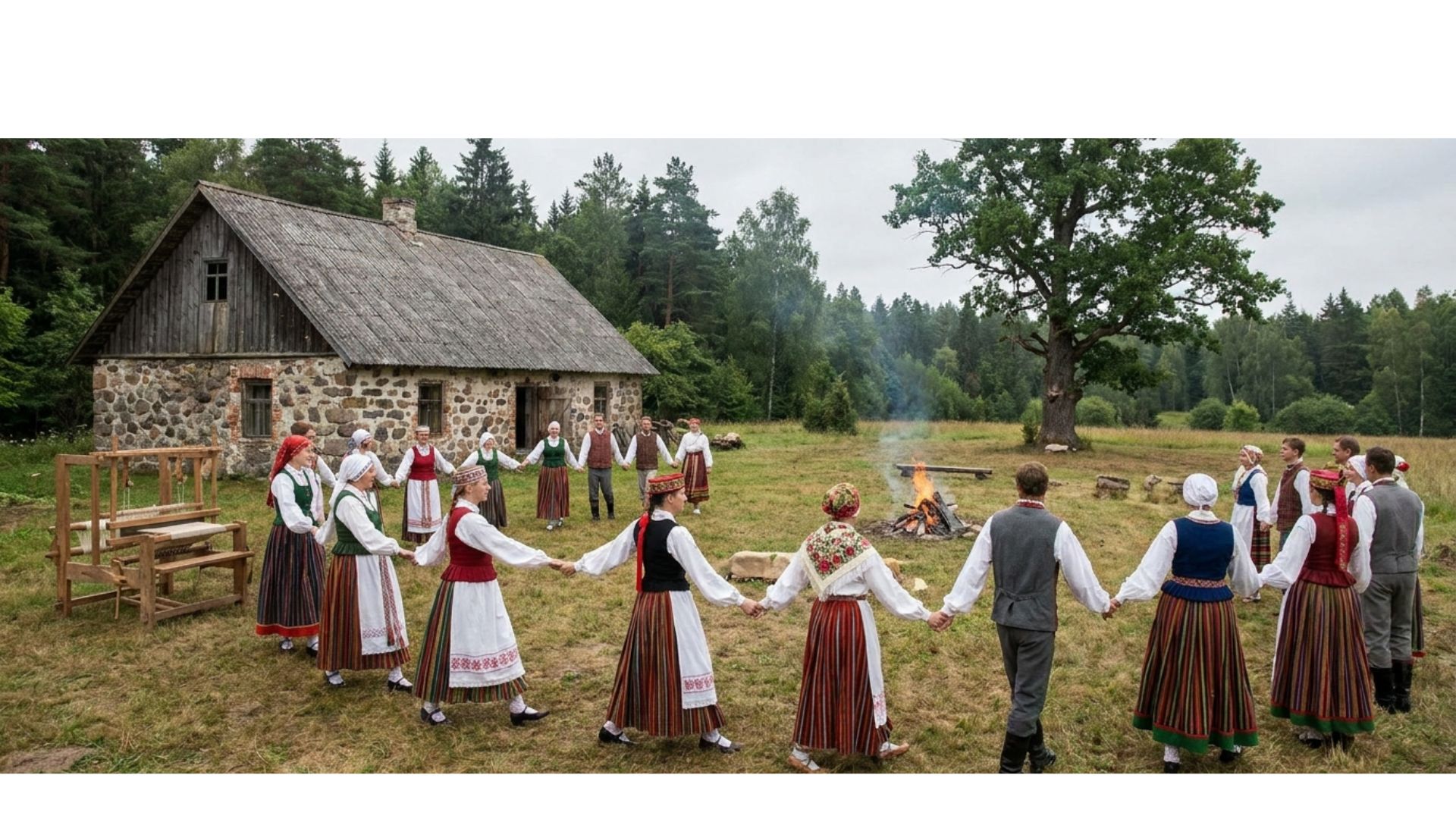
Traditional Irish music remains a genuine part of daily life in Clifden County Galway rather than a performance staged for visitors, with informal sessions taking place across the town on a regular basis, particularly during the summer months. The town’s cultural calendar peaks each September with the Clifden Arts Festival, a week of performances, exhibitions, and workshops that draws artists and audiences from across Ireland. Horse enthusiasts should also plan around the Connemara Pony Show, held in August, which celebrates the native pony breed with competitions and demonstrations that fill the town for the weekend.
Top Things to Do Around Clifden County Galway
The landscape around Clifden County Galway does much of the work for you, with mountains, coastline, and islands all within a short drive of the town centre. These are the sights and experiences that consistently draw visitors back to the area, and most can be combined into a single day if you plan your route sensibly.
Clifden Castle
Clifden Castle, built around 1818 as John D’Arcy’s family home, stands in ruins on a headland just west of the town, overlooking Clifden Bay. There is no vehicle access to the castle itself; visitors park in a small layby near the gateway on the Sky Road and walk the remaining stretch along a farm track, which takes around twenty minutes each way. Ownership passed out of the D’Arcy family in 1935, and the building has been left to weather since, giving it a genuinely atmospheric, overgrown quality that photographs well in any season.
The Sky Road
The Sky Road is a signposted circular route out of Clifden County Galway that delivers some of the best coastal views in Connemara without requiring any real effort beyond a short drive or cycle. The loop runs for around 16 kilometres, climbing to a high point with sweeping views back over Clifden Bay, Streamstown Bay, and the islands of Inishturk and Turbot, before returning to town along the lower coast road. The road narrows in places and carries occasional coach traffic in summer, so take care on blind bends and use the passing bays if you meet oncoming vehicles.
Connemara National Park and the Twelve Bens
Connemara National Park, a short drive north of Clifden County Galway near Letterfrack, opened to the public in 1980 and covers around 2,000 hectares of mountain, bog, and woodland. Several peaks of the Twelve Bens mountain range fall within the park boundary, including Benbaun, the highest point in County Galway at 729 metres, and the park’s visitor centre marks the start of way marked trails suited to a range of fitness levels, from a gentle loop near the entrance to the steeper climb up Diamond Hill. Hardier walkers sometimes attempt all twelve peaks of the Bens in a single day, though a shorter walk is more than enough to appreciate the scale of the range.
Inishbofin and the Coastal Islands
Inishbofin, whose Irish name translates as the island of the white cow, sits a short ferry ride from the fishing village of Cleggan, itself a short drive from Clifden County Galway. The island has long attracted walkers and anyone looking for a quieter pace, with a scattering of ancient sites and a coastline that rewards a full day rather than a rushed visit. Closer to town, the tidal causeway to Omey Island offers a different kind of coastal excursion, though the crossing depends entirely on the tide, and visitors should check timings locally before setting out.
Day Trips from Clifden County Galway
Basing yourself in Clifden County Galway puts you within striking distance of some of the best known sights in the west of Ireland, several of which are difficult to see properly on a rushed day trip from Galway City. Building one or two of these into your itinerary makes the case for staying longer in the area.
Kylemore Abbey
Kylemore Abbey, around 25 minutes from Clifden County Galway, is a nineteenth century Gothic Revival castle turned Benedictine abbey, set against Kylemore Lough with the Twelve Bens rising behind it. The estate’s Victorian walled garden is worth the extra time if you can spare it, having been restored to something close to its original planting. Read our full Kylemore Abbey guide for opening times and how to plan your visit.
Wider Connemara and Galway City
Roundstone, Ballyconneely, and the wider Connemara coastline all sit within easy reach of Clifden County Galway and reward a slower exploration by car or bicycle, taking in beaches, bogland, and small fishing villages along the way. Our Connemara travel guide covers the wider region in more depth, and Galway City remains a manageable day trip for travellers who want a taste of urban Irish culture alongside their time in Connemara, covered in our Galway City guide.
“Kylemore Abbey gets most of the attention, but talk to anyone in Clifden County Galway and they will send you out to Inishbofin instead. It is the ferry ride and the quiet that stays with you, not just the view.” , Ciaran Connolly, Founder of ConnollyCove
Planning Your Visit to Clifden County Galway
A little preparation goes a long way in Clifden County Galway, particularly around accommodation and seasonal opening hours, since the town’s size means options can book up quickly during festivals and the peak summer months. ConnollyCove’s wider Connemara coverage is worth checking before you travel if you plan to combine Clifden County Galway with other stops along the west coast.
Where to Stay in Clifden County Galway
Accommodation in Clifden County Galway ranges from bed and breakfasts within walking distance of Main Street to self-catering cottages scattered along the surrounding coastline, with a handful of larger hotels catering to coach groups and longer stays. Booking ahead is strongly advised for the Clifden Arts Festival in September and the Connemara Pony Show in August, when the town’s limited room count fills quickly.
Budget and Practical Tips
Clifden County Galway is generally more affordable than Galway City or Dublin, particularly for accommodation, though prices rise noticeably during festival weekends. Bring layers regardless of season, since Atlantic weather changes quickly, and if you plan to drive the Sky Road or venture out to Omey Island, allow more time than you think you will need; both routes reward a relaxed pace rather than a rushed circuit.
Mobile signal in and around Clifden County Galway is generally reliable in the town centre but can drop out along parts of the Sky Road and further into Connemara National Park, so download any maps or ferry timetables you need before setting off for the day. Cash still comes in useful for smaller cafés and market stalls, even though card payment is widely accepted across the town.
FAQs
How far is Clifden County Galway from Galway City?
Clifden County Galway is around 80 kilometres from Galway City, a drive of roughly 1 hour 15 minutes along the N59.
Is Clifden County Galway worth visiting?
Yes. Clifden County Galway combines a walkable town centre with easy access to the Sky Road, the Twelve Bens, and Connemara’s coastline, making it one of the strongest bases in the west of Ireland.
How long should I spend in Clifden County Galway?
Two to three nights allows time to explore the town, drive the Sky Road, and take at least one day trip, such as Kylemore Abbey or Inishbofin.
Can you visit Clifden Castle in Clifden County Galway?
The castle grounds are accessible on foot from a small car park on the Sky Road, followed by a twenty minute walk; there is no vehicle access to the castle itself.
What is Clifden County Galway known for?
Clifden County Galway is known as the capital of Connemara, the Marconi wireless station at nearby Derrigimlagh, the Sky Road, and its role as a base for exploring the Twelve Bens and Connemara National Park.
Do you need a car to visit Clifden County Galway?
A car makes it far easier to reach the Sky Road, Connemara National Park, and Kylemore Abbey, though the town centre itself is fully walkable and some coach services run from Galway City.