

Natural Disasters in Island Nations: Folklore and Resilience
Article Summary What this article covers: How folklore and modern science each explain the cyclones, tsunamis, and rising seas facing island nations, and what that means for travellers....


Article Summary What this article covers: How folklore and modern science each explain the cyclones, tsunamis, and rising seas facing island nations, and what that means for travellers....

Article Summary What this article covers: What comparative mythology is, how its methods changed from Victorian philology to statistical analysis of folktale archives, which cross-cultural parallels stand up...

Article Summary What this article covers: The documented history and lesser-known folklore behind the Claddagh ring, including the Richard Joyce origin story, the separate Margaret Joyce legend, and...

Article Summary What this article covers: What Samhain is, which season it marks, where the earliest written records of Samhain traditions actually come from, the household customs recorded...

Article Summary What this article covers: Irish maritime legends and the working superstitions behind them, covering the word taboos, pier omens and boat rituals of Irish fishing communities,...
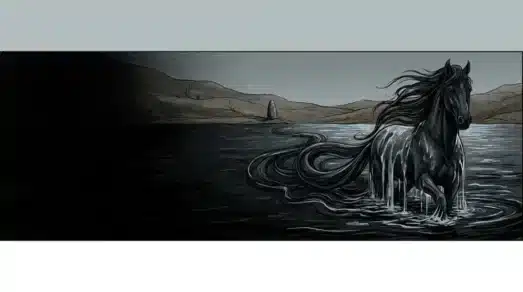
Article Summary What this article covers: The creatures of Irish and Scottish legend grouped by what they actually do, with the sources each one comes from and the...

Article Summary What this article covers: The Irish myth of the Salmon of Knowledge, how Fionn mac Cumhaill gained his wisdom on the banks of the River Boyne,...

Article Summary What this article covers: How folklore, oral storytelling and traditional song carry indigenous languages between generations, with specific examples from Ireland, the Isle of Man, Wales...
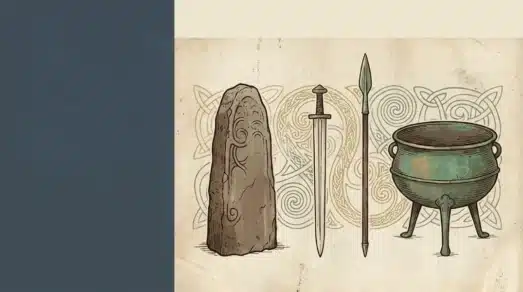
Article Summary What this article covers: The Celtic gods and goddesses of Ireland, listed in full with their domains, pronunciation and the places their stories are set, plus...

Article Summary What this article covers: How storytelling, charms, proverbs and song carried the Irish language through fourteen centuries of written and spoken change, and where visitors can...

Article Summary What this article covers: Where the Dracula legend actually comes from, how the historical Vlad III of Wallachia differs from Bram Stoker's fictional Count, the Romanian...

Article Summary What this article covers: The folklore of Irish coastal towns, covering the sea creatures, working superstitions, seasonal festivals and named villages along Ireland's shoreline where these...

Article Summary What this article covers: How comparative myths of the underworld work as a field of study, comparing the rivers, gatekeepers, soul-guides and judgement scenes found across...

Article Summary What this article covers: The origins, regional variations and protective customs of the evil eye myth, including Ireland's own version. Who this is for: Travellers heading...
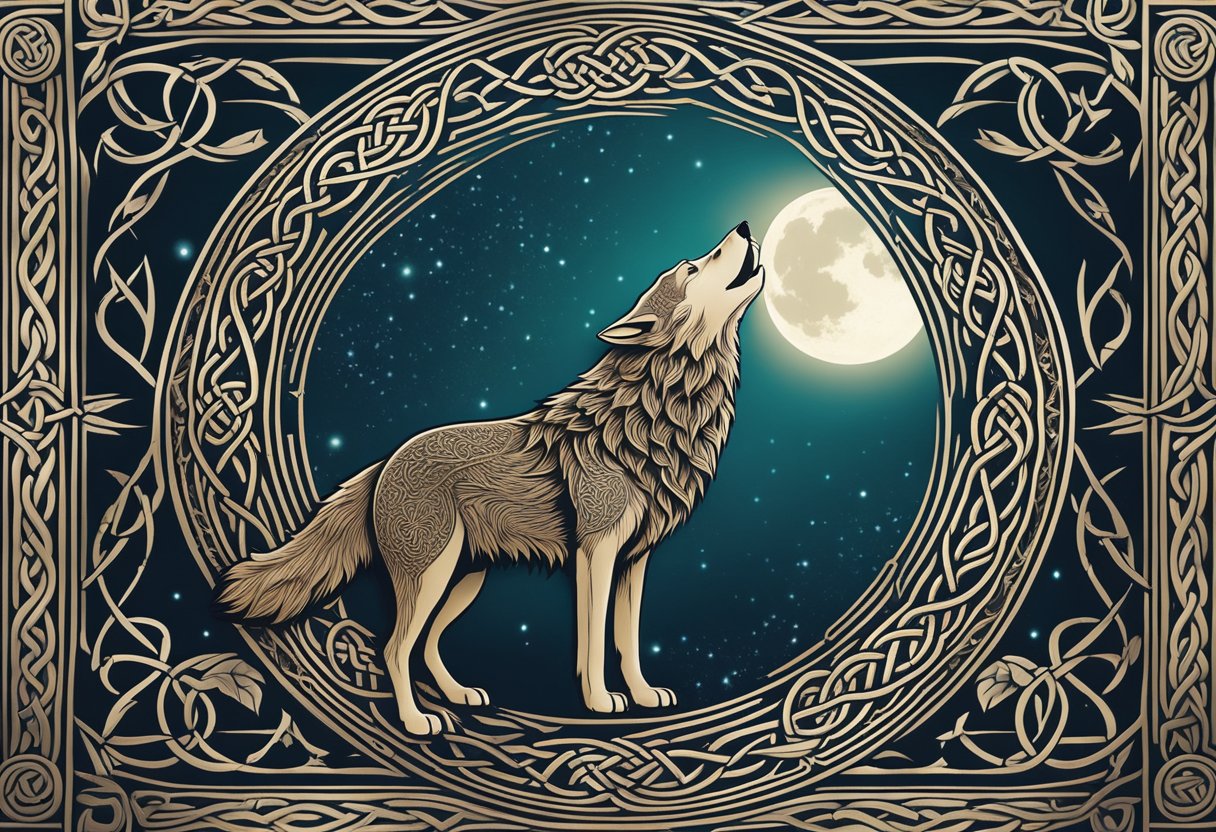
Article Summary What this article covers: What animals in Celtic myths represented across Irish, Welsh and wider Celtic tradition, which early manuscripts record them, and where travellers can...

Article Summary What this article covers: Where fairies come from in fairy mythology, what they are said to look like and do, the main types, and why the...
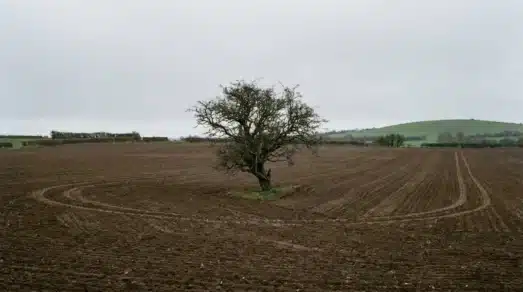
Article Summary What this article covers: What fairy trees in Ireland actually are, why they are left standing, the fairy forts connected to them, and where you can...

Article Summary What this article covers: The major mythical battles in Irish lore, including the Battle of Moytura and the Táin Bó Cúailnge, and what they reveal about...

The impact of colonialism on Irish folklore is visible in nearly every fairy tale still told in Ireland today, though most people never notice it. Centuries of British...

Ghost stories from Irish castles rarely start with a jump scare. They start with a real death, a family feud or a violent siege, and only pick up...

Legends of Irish hidden treasures have survived for centuries because so many of them turn out to have a grain of truth buried inside the story. From the...

Sacred Celtic trees held a place at the centre of early Irish life that went well beyond decoration or landscape. Long before written records, certain oaks, yews and...

Harvest festivals mark the turning of the year in cultures worldwide, and in Ireland, Samhain is the oldest and most significant of them. Samhain marked the end of...

Myths of the afterlife exist in almost every culture that has ever tried to make sense of death, and the versions told in Ireland and Egypt sit at...
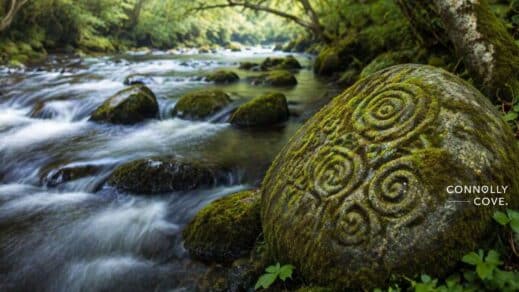
Irish river deities sit at the heart of one of Europe's richest surviving folklore traditions. Long before maps and engineers gave these waterways their modern names, the Celts...

The role of the fairy tree in Irish culture sits somewhere between superstition and quiet reverence, and it has outlasted decades of modernisation, motorway planning and changing belief....
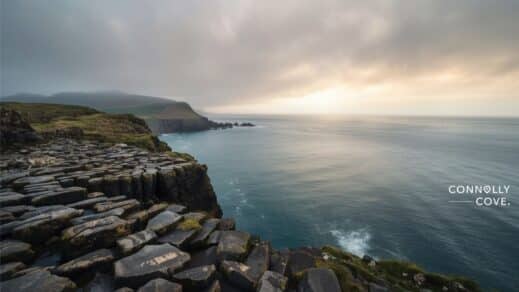
Folk beliefs about the Irish Sea have shaped how coastal communities in Ireland, Scotland, Wales and the Isle of Man understand the water that both separates and connects...

The folklore of Irish mountain ranges begins long before anyone thought to write it down. Ireland's peaks were never just rock and heather to the people who lived...

Mystical creatures in global folklore reveal something every culture arrives at on its own: a way to explain what could not otherwise be explained. From Ireland's wailing banshee...

Irish folklore in modern media shows up in more places than most people notice at first glance. A banshee's scream in a horror trailer, a shapeshifting Púca lurking...
Mythology and folklore have captivated human imagination for millennia, weaving together tales of gods, heroes, and mythical creatures that continue to shape our cultures, beliefs, and storytelling traditions. At ConnollyCove, our Mythology & Folklore section takes you on a journey through the ancient and the mystical, where history and legend intertwine to create narratives that still resonate today.
From the epic poems of Ancient Greece to the creation stories of Indigenous peoples, mythology has always provided humanity with a way to understand the world. Myths explained natural phenomena, explored moral questions, and celebrated cultural values, passing from one generation to the next through oral traditions and sacred texts.
The Greek myths of Zeus, Athena, and Hercules, for example, reflect themes of power, wisdom, and heroism, while Norse mythology introduces us to Odin, Thor, and Loki in a world where fate and chaos collide. Egyptian myths, with gods like Ra and Isis, reveal a civilisation deeply connected to the cycles of nature and the afterlife. Each tradition offers unique insights into the societies that created them, making mythology an essential part of cultural history.
While mythology often focuses on gods and cosmic origins, folklore brings us closer to the lives of ordinary people. Folklore encompasses local legends, fairy tales, and superstitions rooted in communities, landscapes, and historical events.
Irish folklore, for instance, is filled with tales of banshees, leprechauns, and fairy forts, reflecting the country’s Celtic heritage and close relationship with the natural world. Japanese folklore introduces us to yokai, mysterious spirits and creatures ranging from mischievous tricksters to protective guardians. In Africa, Anansi the spider appears in countless stories as a clever, cunning figure teaching lessons through wit and humour.
These tales, whether spoken around firesides or celebrated in seasonal festivals, preserve cultural identities while entertaining and educating audiences across centuries.
Many myths and legends revolve around heroic journeys, where characters embark on quests filled with challenges, temptations, and moral dilemmas. Stories like King Arthur and the Knights of the Round Table or the epic of Gilgamesh explore universal themes of bravery, loyalty, love, and mortality.
Such tales endure because they speak to the human experience, offering lessons about courage, wisdom, and the consequences of ambition or hubris. They remind us that myths are not just about gods and monsters but about the values and fears shared by all people, regardless of time or place.
From dragons and griffins to mermaids and giants, mythical creatures populate the world’s folklore, embodying mystery, danger, and wonder. In some traditions, they guard treasures or sacred places; in others, they symbolise natural forces or human traits such as greed, courage, or cunning.
The Loch Ness Monster of Scotland, Bigfoot of North America, and Chinese dragons all illustrate how legendary beings reflect both local environments and universal human fascination with the unknown.
Mythology and folklore continue to inspire modern literature, art, and cinema. From Tolkien’s The Lord of the Rings to Marvel’s Thor films, ancient myths find new life in contemporary storytelling, ensuring their survival for future generations.
At ConnollyCove, our Mythology & Folklore section celebrates this enduring legacy, offering articles that explore ancient texts, regional traditions, and modern adaptations that keep the old stories alive.


