


Castlewellan Forest Park, County Down – 3 Attractions in 1
Updated On: April 16, 2024 by  Shaimaa Olwan
Looking for attractions and places to visit in Northern Ireland? Then make sure to add Castlewellan Forest Park to your list! This fantastic park is steeped in history, surrounded by beautiful greenery and trees. The Popular attractions of The Peace Maze are located here, along with the historic Castlewellan Castle. You can’t forget to check out the famous lake also. There is so much to do and see here, allowing for a fun day to explore.
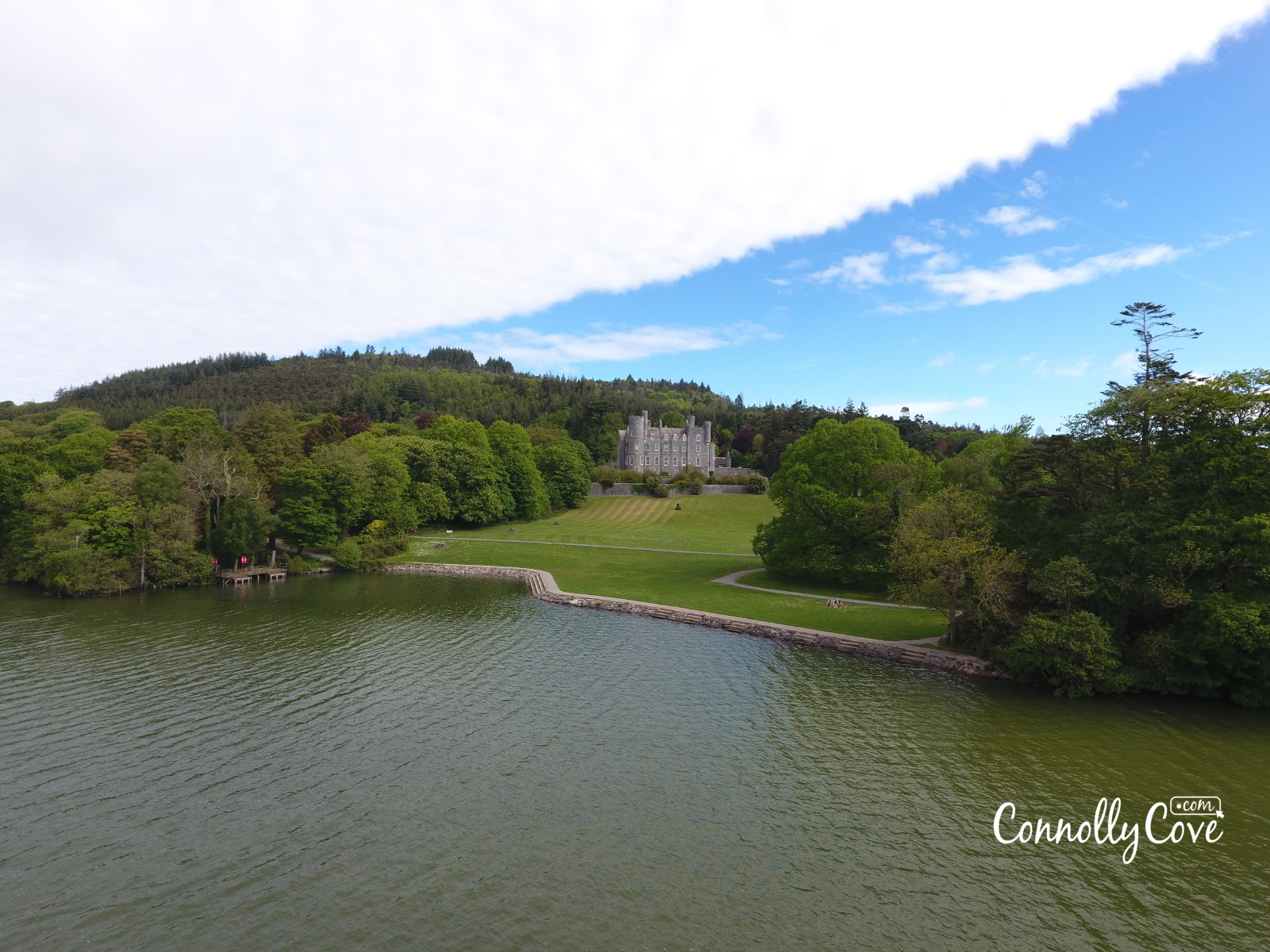
Castlewellan Forest Park is located in the lovely town of Castlewellan in Northern Ireland. It contains the national Arboretum of Northern Ireland, which started in 1740 and includes trees from Asia, North and South America, and Australasia.
Castlewellan Forest Park is an excellent location to visit for a day out. Beautiful forest walks and impressive castle gardens with unique trees surround the estate.
History and Origins
The history of Castlewellan Forest Park is as rich and varied as the landscape itself. Originally part of the Annesley Estate, the Annesley family acquired the land in the 18th century. It was in the mid-19th century that the 4th Earl of Annesley began planting trees on the estate, transforming it into the sprawling forest we see today. The castle, which gives the park its name, was built in the 1850s by William Richard Annesley, although it is not open to the public.
In 1967, the estate was handed over to the Forest Service of Northern Ireland, and Castlewellan Forest Park was officially opened to the public. Since then, the park has been carefully managed to preserve its natural beauty while providing recreational opportunities for visitors.
Natural Wonders
One of the most striking features of Castlewellan Forest Park is its diverse range of habitats, which support a wide variety of plant and animal life. The park’s woodlands are home to native species such as oak, ash, and beech, as well as more exotic conifers like Douglas fir and Japanese larch. In springtime, the forest floor comes alive with a carpet of bluebells, while autumn brings a riot of colour as the leaves turn golden and crimson.
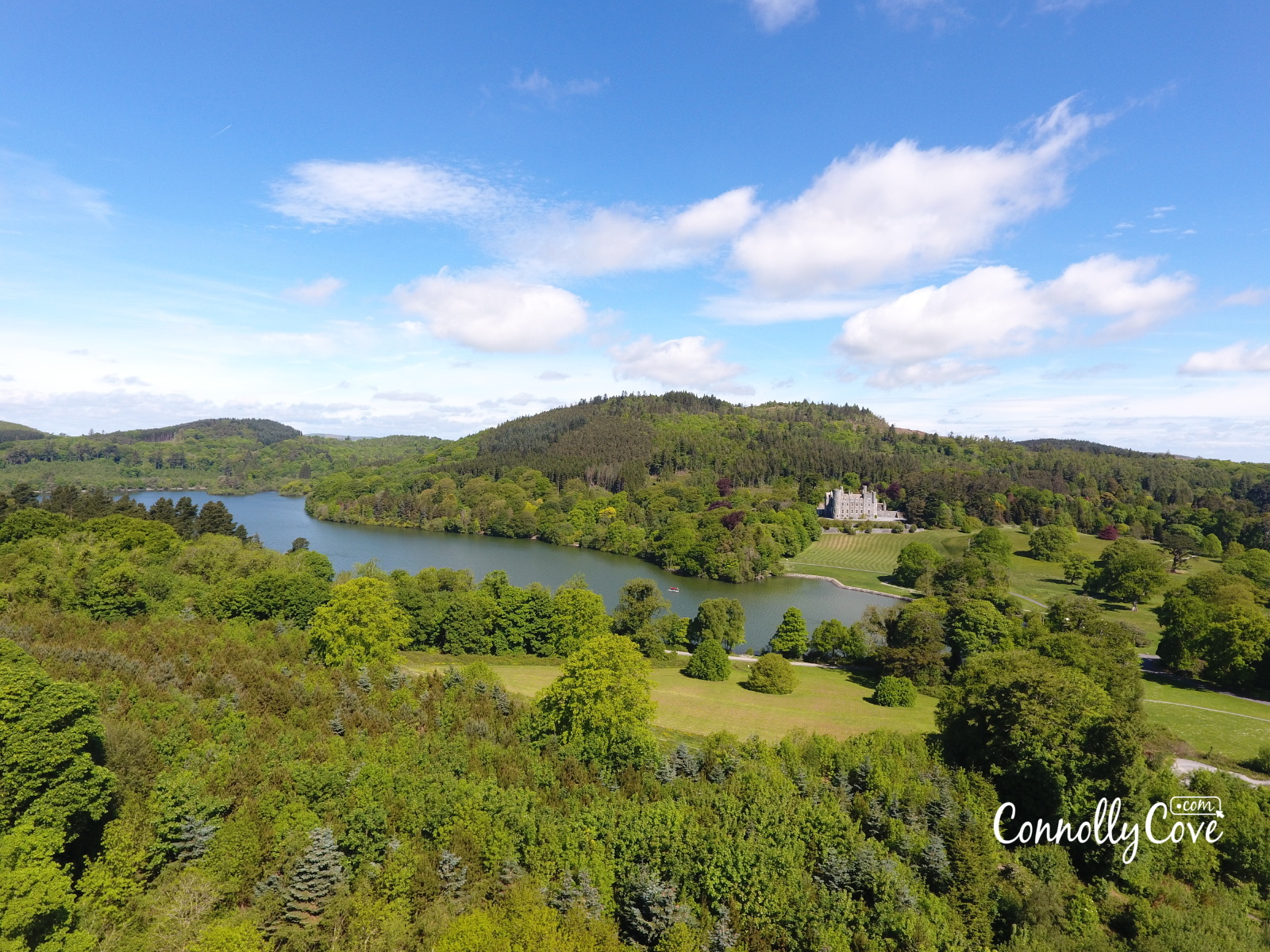
The park’s centrepiece is Castlewellan Lake, a serene body of water spanning 25 acres. Visitors can explore the lake by boat or simply relax on its shores, taking in the tranquil surroundings. The lake is also a popular spot for fishing, with brown and rainbow trout among the species found here.
For those seeking a more adventurous experience, the park offers a range of outdoor activities to suit all ages and abilities. The mountain bike trails are particularly popular, with routes ranging from gentle forest tracks to challenging downhill descents. There are also opportunities for horse riding, orienteering, and even tree-top adventures at the nearby Castlewellan Peace Maze.
Heritage and Culture
In addition to its natural beauty, Castlewellan Forest Park is steeped in history and culture. The Annesley Castle may be off-limits, but there are plenty of other historic landmarks to explore within the park. The Annesley Gardens, laid out in the 19th century by Lady Annesley, is a delightful mix of formal and informal designs with exotic plants worldwide.
Another notable feature is the Moorish Tower, a striking folly perched on a hill overlooking the lake. Built in the 19th century, the tower offers panoramic views of the surrounding countryside and is a popular spot for picnics and photography.
For those interested in the park’s more recent history, the Castlewellan Arboretum and Annesley Garden Centre provide insight into the efforts to conserve and protect the area’s natural heritage. The arboretum is home to a wide variety of rare or endangered tree species, while the garden centre offers advice and expertise on gardening and conservation.
The Peace Maze
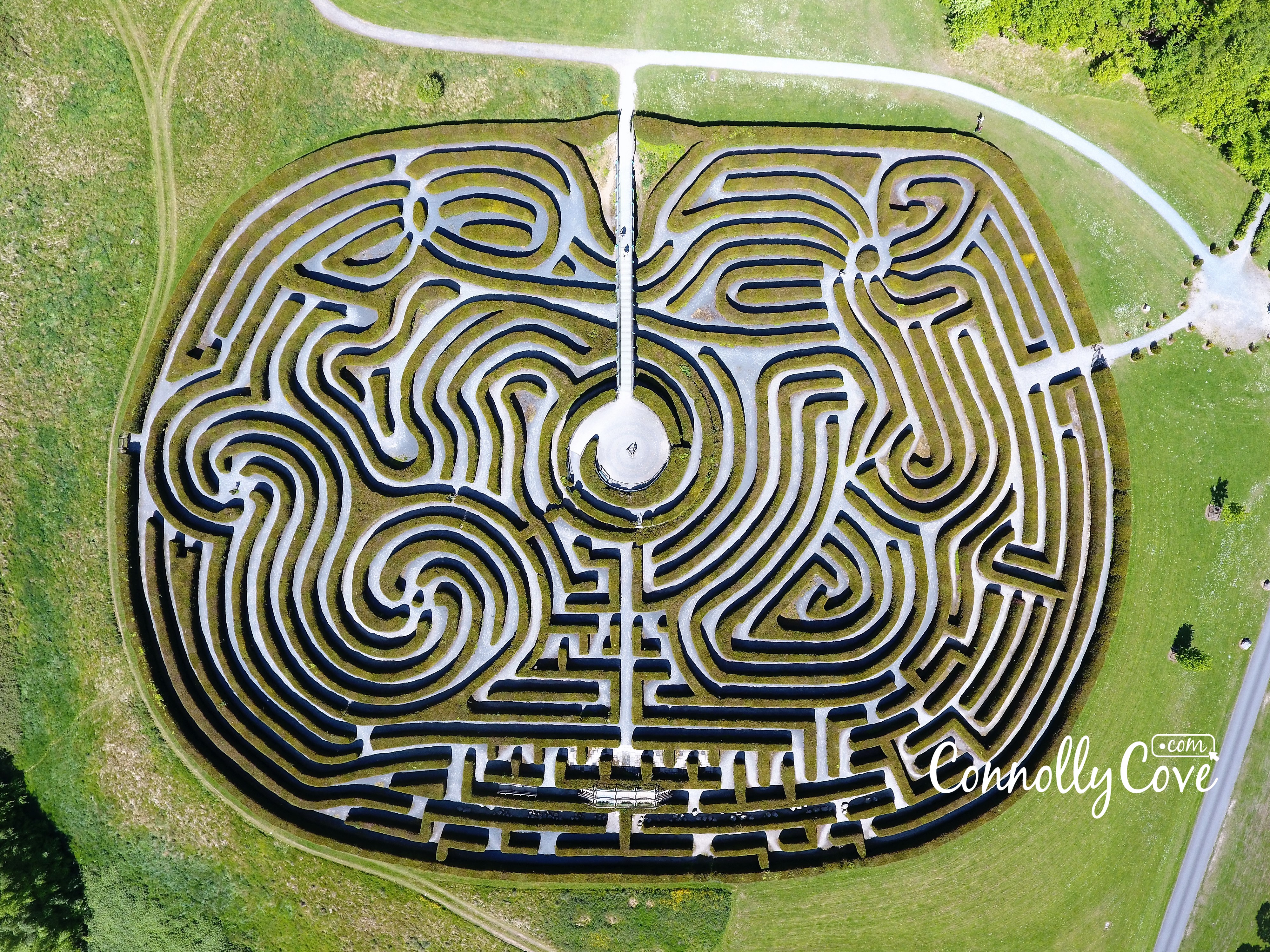
As I’ve mentioned above, located at Castlewellan Forest Park is one of the longest permanent hedge mazes. It was the longest time since 2007 when the Pineapple Garden Maze in Hawaii was created. The Hedge itself includes around 6,000 yew trees to make the design. Interestingly, most of these trees were planted by people from Northern Ireland.
The Maze covers an impressive 2.7 acres and symbolises a path to peace in Northern Ireland. It was designed by Beverley Lear of Lear Associates, who created this unique design from thousands of ideas sent in by children.
The attraction is highly popular, and thousands of visitors visit Castlewellan each year to check it out. You’ll know when you’ve reached the maze’s centre as there is a small bell to ring, but getting back out is the fun part. Definitely could spend an hour or two getting around it and appreciating its beauty.
Next to the Peace Maze is a children’s play area known as the ‘Animal Woods’ where they can have fun. It is designed for children between four and eleven years old. It offers children the chance to play with various fun wild woodland animals. It also has an excellent play structure, so the little ones won’t be bored on a trip to Castlewellan Forest Park.
Castlewellan Castle
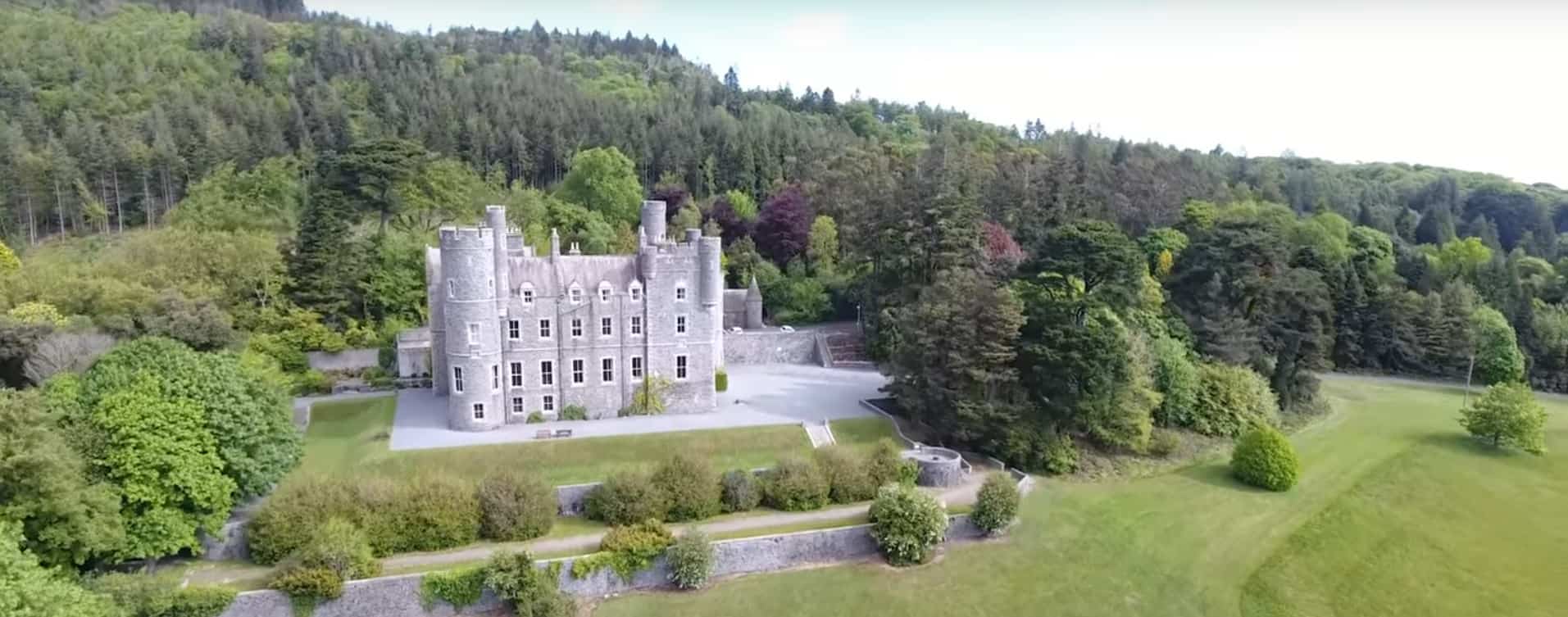
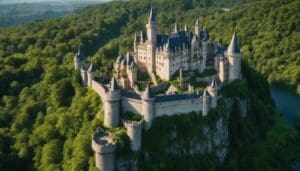
Another attraction you must check out here is the impressive Castlewellan Castle. The castle was built in the 19th Century in a Scottish Baronial style. The Castle showcases a long history and fantastic architecture worth exploring.
For over 100 years, the castle belonged to the Annesley family. The castle was built in the perfect location, overlooking the beautiful Castlewellan Lake. It also offers fantastic views of the Mourne Mountains.
Above the doorway of the entrance of the Castle, you’ll find the words “Virtutis Amore”, which was the Annesley family motto meaning ‘From the love of Labour.’ The castle is an excellent example of Victorian Architecture created by William Richard Annesley. The 4th Earl of Annesley.
Today, the castle is used as a Christian Conference Centre, but it is still worth walking around and checking out if you can.
Family-Friendly Attractions
Castlewellan Forest Park is also a fantastic destination for families, with various attractions and facilities to entertain visitors of all ages. The park features a children’s play area with swings, slides, and climbing frames, providing a safe and enjoyable space for young adventurers to burn off energy and make new friends.
For those interested in learning more about the natural world, the park offers educational programs and events throughout the year, including guided nature walks, wildlife talks, and interactive workshops. These activities allow visitors to engage with the environment and gain a deeper appreciation for the wonders of nature.
Educational Opportunities
Castlewellan Forest Park also serves as an educational resource, allowing visitors to learn about the area’s natural and cultural heritage. The park’s visitor centre features interactive exhibits, educational displays, and guided tours led by knowledgeable staff, offering insights into the park’s history, ecology, and conservation efforts.
National Arboretum of Northern Ireland
The natural beauty of Castlewellan Forest Park lies in its 100 acres of gardens and unique trees. These include a variety of terraces, flower borders, fountains and some of the oldest trees in the Irish and British Isles. Throughout the forest park, you can check out the different walking trails showing its beauty.
Check out another video below of Castlewellan Forest Park about checking out the Peace Maze.
We have also been to a few other parks. If you want to check them out Rossmore Park and Tollymore Forest Park are just two.
Visiting Castlewellan Forest Park
Castlewellan Forest Park is open to visitors throughout the year, with something to see and do in every season. The park’s visitor centre provides information on walking and cycling trails, maps, and guidebooks to help you make the most of your visit. There is ample parking, and facilities such as toilets and picnic areas are available.
Whether looking for a peaceful stroll through ancient woodlands, a thrilling mountain bike ride, or simply a place to relax and unwind, Castlewellan Forest Park has something for everyone. With its stunning natural beauty, rich history, and wide range of recreational activities, it’s no wonder this hidden gem in County Down continues to captivate visitors from near and far. So why not plan your visit today and discover the magic of Castlewellan Forest Park for yourself?
Conclusion
Castlewellan Forest Park is a testament to our natural landscapes’ enduring beauty and importance in a world increasingly dominated by concrete jungles and urban sprawl. From its ancient woodlands and tranquil lakes to its exhilarating mountain bike trails and educational facilities, the park offers a wealth of opportunities for visitors to reconnect with nature, explore their surroundings, and create lasting memories.
Whether you’re a seasoned outdoor enthusiast or simply seeking a peaceful retreat from the hustle and bustle of daily life, Castlewellan Forest Park welcomes you to experience the magic of its enchanting landscapes and discover the wonders that await amidst its ancient woodlands and scenic vistas.
Also, don’t forget to check out other attractions and places around Northern Ireland: Glens of Antrim| The Gruffalo Trail at Colin Glen Forest Park| Glenariff Forest Park| Rostrevor Fairy Glen| Redburn Country Park| Carnfunnock Country Park|

The Absolute Guide to the Best Restaurants in Bath, England: Unveiling the Culinary Gems of Bath!
Food and Cuisine
24/04/2024

Planning a Trip to Scotland: Your All-Inclusive Guide to Exploring the Great Highlands
Travel Guides
23/04/2024
Your Ultimate Guide to Explore the Top Castles in Kent, England
England
23/04/2024

Weather in Ireland in May: A Guide to Climate, Temperature, and What to Wear
Ireland
23/04/2024

Top Castles to Stay in Edinburgh for an Unforgettable Accommodation Experience
Scotland
23/04/2024