


Get the Best Out of Your Trip to Versailles | Travel Guide
Updated On: November 07, 2023 by  Ciaran Connolly
Once home to the French kings and queens, the Palace of Versailles is one of the most visited tourist attractions in Paris. Within the palace walls guests walk the magnificent halls and gardens, taking in all of the historic beauty Versailles has to offer.
In order to make the most out of a day trip to Versailles, you’ll need to plan ahead. The palace is always packed with tourists, so making sure you are prepared and know which parts of the site are on your must-see list will help your day go smoothly. Here are our tips and must-sees to make your tip to the Palace of Versailles memorable.
The History of the Palace of Versailles
The Palace of Versailles began as a hunting lodge. The palace served as home to the Kings of France for over 100 years leading to the French Revolution. Afterwards, Louis XII bought the surrounding land and transformed the lodge into a chateau, complete with parks and gardens. It was not until King Louis XIV began to develop the site, however, that it started to become the magnificence it is today. Famously, Louis XIV even installed an opera house into the palace solely for Maria Antoinette’s wedding to the Dauphin.
In 1682, the king moved the royal court and French government into the Palace of Versailles. At this point in time, there was furniture in the palace that was made from solid silver. As times and trends changed, subsequent kings took to remodeling the palace’s interior to fit their tastes, which is why the furnishings look so different today.
A truly significant set of events, two globally important occasions occurred at the Palace of Versailles. Firstly, on 3rd September 1783, the Peace of Paris treaty was signed at the palace. The treaties signed on this day ended the American Revolutionary War and led to peace between the two nations. 136 years later, on the exact 5 year anniversary of Archduke Franz Ferdinand’s assassination, the official end to the first World War occurred at the Palace of Versailles. The Treaty of Versailles is historically infamous for forcing Germany to accept the complete responsibility for the war and inciting the German people to seek vengeance during World War II.
Today, the Palace of Versailles is certified as a UNESCO World Heritage site and welcomes guests from around the world to walk through its halls and take in its beauty and history.
3 Tips to Make Your Trip great
Arrive Early (or Late!)
The Palace of Versailles is open every day from 9am to 5:30pm except for Mondays. Because the palace is always flooded with guests, it is best to plan ahead and either arrive early, right before the site opens, or later in the day to make the last entry at 5pm. Furthermore, tickets are available to pre-purchase online so you can ensure your entry and you may even be allowed to go through a shorter security check.
Dress for the Occasion
Another important tip that will enhance your trip to Versailles is to wear appropriate attire. Seasoned tourists will know that any vacation requires the proper footwear. For a long day spent roaming the halls of Versailles, comfortable walking shoes are a must! Similarly, it is important to look up what the weather will be like for the day you visit so you can wear the correct layers and outerwear. If you’re admiring the gardens and it suddenly becomes chilly or rainy, you’ll want to be prepared!
Take a Guided Tour
Finally, if you want to learn details about the Palace of Versailles as you walk through, we suggest you book a tour guide! Going through the halls with a knowledgeable guide is a great way to take a deep dive through history. Some sections of the palace are even off limits to guests unless they’re on a guided tour, such as the king’s private apartments.
3 Must-See Features at Versailles
The Hall of Mirrors
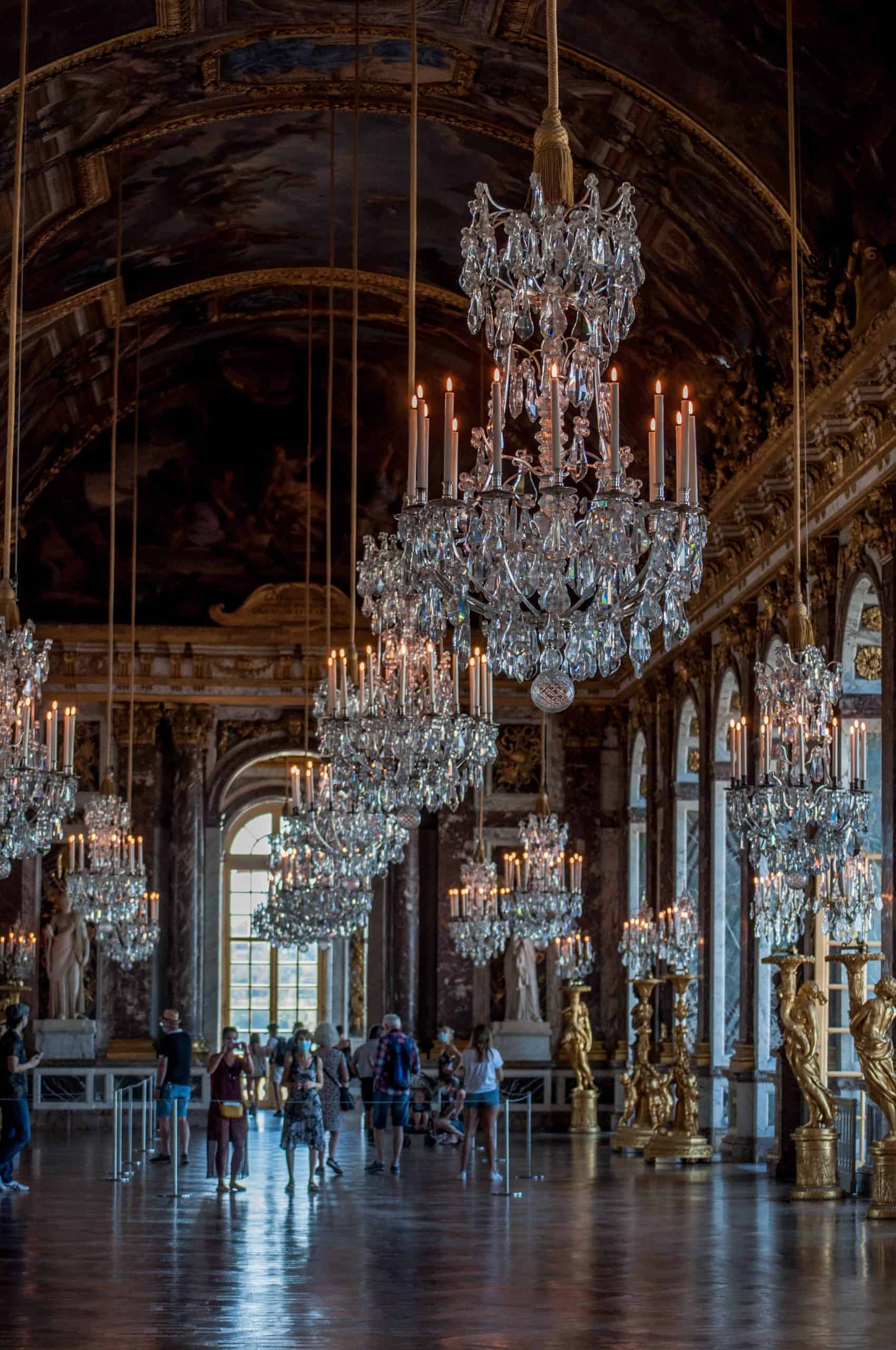
Of all of the beautiful sights to behold at the Palace of Versailles, the Hall of Mirrors is top on our list. With its intricately built 350-piece mirrored wall and stunning artwork, the Hall of Mirrors will leave you speechless as you wander through the corridor. While the entire hall is a jaw dropping symbol and feat of French royalty, obtaining the mirrors themselves was a great accomplishment. Before the Hall of Mirrors at Versailles was constructed, there was a Venetian monopoly on the construction of mirrors throughout the whole of Europe. It was only by convincing Venetian artisans to defect and make the mirrors for France that the Hall of Mirrors was able to become the site we all know it to be today.
The King’s Private Apartments
Although they’re only accessible through booking a guided tour of Versailles, the King’s private apartments are truly worth seeing. King Louis XIV was the one who created the King’s personal apartments. This suite opened to the Marble and Royal Courtyards, and gave the king more privacy in the palace. The private apartments were also occupied by Louis XV as well as Louis XVI, who both made changes and expanded the rooms. Should you choose to take a guided tour through the King’s private apartments, you’ll be left in awe from the majestic bedrooms, the royal bathroom, and even the dogs’ room, where Louis XV’s favourite dogs slept.
The Gardens of Versailles
Last but not least on our top 3 must-see’s list, the Gardens of Versailles are a sight to behold. Which is not surprising, since the gardens took over 40 years to complete! Adorned with fountains, statues, and ornamental basins, the terraced gardens are sure to delight all those who wander their paths. South of the terrace, you can find raised beds of flowers that lead to two sets of staircases. These staircases line the Orangerie, which harbors more than 1,000 trees, including orange, lemon, pomegranate, and palm trees. So, when you plan a day trip to explore Versailles, make sure to take a walk through nature and admire the gardens.
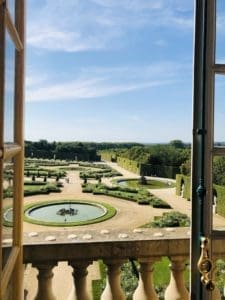
Exploring Versailles Is an Unforgettable Experience
A day trip to the Palace of Versailles needs a bit of planning ahead, but it is definitely worth it. In order to make your day great, you should plan ahead what time you’ll arrive, make sure to wear the proper shoes and clothes, and think about booking a tour guide in order to see all that the palace has to offer! With all of its history, beautiful artwork, and stunning landscapes, a day at Versailles will never be forgotten.

The Kingdom of Ireland: King Henry VIII’s Declaration as the King of Ireland
Ireland
19/04/2024

The Truth about the Claddagh Ring Curse: Debunking Myths and Exploring the Symbolism
Mythology and Folklore
19/04/2024

Top 10 Irish Public Holidays and Traditions to Experience on Your Ireland Holidays
Festivals and Events
18/04/2024

6 Top Mourne Camping Sites for an Unforgettable Experience Under the Stars
Northern Ireland
18/04/2024

Eostre: The Germanic Goddess of Dawn and Spring Equinox Celebrations
Mythology and Folklore
17/04/2024