
Updated on:
by
 Esraa Mahmoud
 Esraa Mahmoud
Mumbai, a pulsating metropolis where ancient traditions intertwine seamlessly with contemporary aspirations, offers an intoxicating blend of history, culture, and energy. Often dubbed the “city that never sleeps,” Mumbai is a kaleidoscope of experiences, from the iconic Gateway of India to the bustling film industry of Bollywood.
Nestled on the Arabian Sea, this economic powerhouse of India was once known as Bombay, a legacy reflected in the name of the world-famous film industry. Beyond its cinematic allure, Mumbai boasts a rich tapestry of heritage, evident in its colonial architecture, grand temples, and bustling bazaars.
From the spiritual tranquillity of Elephanta Caves to the vibrant nightlife of Bandra, Mumbai caters to every traveller’s whim. Join us as we explore the best things to do in Mumbai and uncover the hidden gems that make it a must-visit destination.
Table of Contents
Best Things to Do in Mumbai
Whether you’re seeking spiritual enlightenment, adrenaline-pumping adventures, or simply a taste of authentic Indian culture, Mumbai has it all. We’ve curated a list of the best things to do and see in the city that never sleeps.
1. Discover the Gateway of India
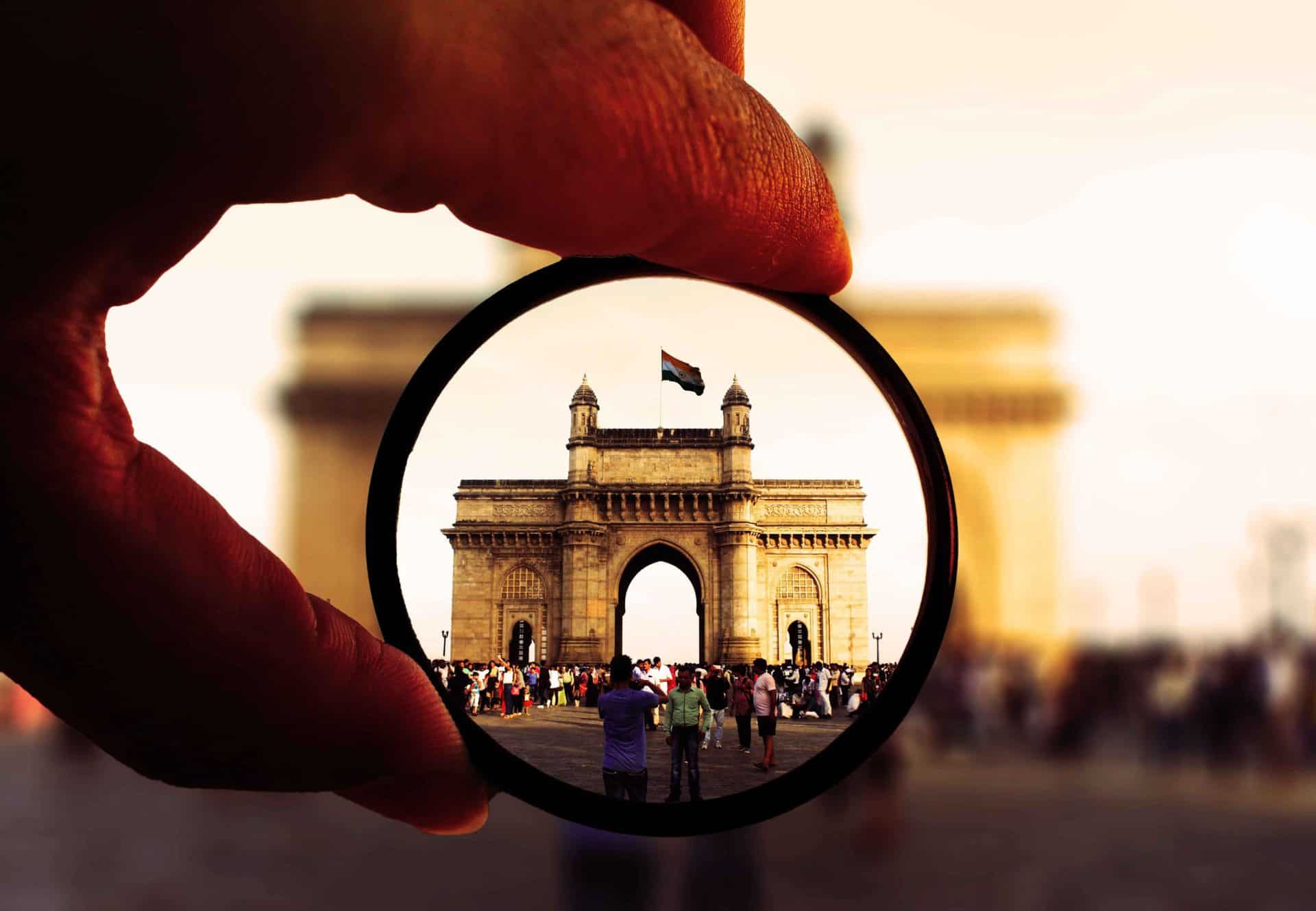
The Gateway of India is a renowned landmark in Mumbai and one of the city’s most iconic sights. Located in the Colaba district, south of the city, the gateway is a must-visit for any traveller. To enter this famous square, you pass through a security gate, which is typically a quick process. Once inside the bustling square, you can immerse yourself in the vibrant atmosphere and capture stunning photos. Thousands of visitors flock to the Gateway of India daily, capturing unforgettable moments in front of this historic arch.
Built in memory of the visit of British King George V, the Gateway of India is Mumbai’s most well-known historical monument. Designed by Scottish architect George Wittet, who drew from Indo-Islamic, Indian, and Roman influences, the 26-metre-high and 50-metre-wide archway was constructed between 1911 and 1924.
After taking numerous pictures at the gateway, consider embarking on a boat trip. From the sea, you get an excellent view of the Mumbai skyline. Sunset is the perfect time for this excursion, as the skyline is bathed in beautiful shades of yellow and red.
However, if you’re afraid of seagulls, this boat ride might not be for you, as the boats are often circled by countless seagulls, hoping for tourists to throw food scraps into the water. Several companies offer boat trips, including short round trips or specific tours to the neighbouring Elephanta Island. These trips typically last about an hour, and prices range from INR 150 to INR 500, depending on the duration and the type of tour.
While in the area, you can explore other nearby attractions, such as the majestic Taj Mahal Palace Hotel, the bustling Colaba Causeway, and the historic Chhatrapati Shivaji Maharaj Terminus. These sites, along with the Gateway of India, offer a comprehensive glimpse into Mumbai’s rich cultural and architectural heritage.
2. Indulge in Opulence at the Taj Mahal Palace

You can’t visit Mumbai without experiencing the historical and architectural marvel that is the Taj Mahal Palace Hotel. Located right next to the Gateway of India, this iconic hotel’s dome was the first visual trademark of Mumbai port until the Gateway of India was built 20 years later. Constructed in 1903, the Taj Mahal Palace Hotel is one of the country’s most famous hotels, showcasing a blend of Victorian and Islamic architectural influences.
The luxury Taj Mahal Palace Hotel was built in the Colaba district by Indian entrepreneur Jamshedji Tata, a name you will encounter frequently in Mumbai and throughout India. The Tata Group, founded by Tata, comprises 30 companies across various sectors, including energy, metal processing, and vehicle construction.
After Tata was denied entry to another hotel in Mumbai, he decided to build a magnificent hotel himself. Opened in 1903, the hotel has since remained one of Mumbai’s most impressive buildings. Over the years, it has hosted numerous dignitaries and celebrities, including the Beatles, Bill Clinton, and Prince Charles.
The Taj Mahal Palace Hotel is not just a place to stay; it is a symbol of luxury and grandeur. Guests can enjoy world-class amenities, including opulent suites, fine dining restaurants, a lavish spa, and breathtaking views of the Arabian Sea. The hotel’s rich history and impeccable service make it a top destination for luxury travellers.
You can easily reach the Gateway of India and the Taj Mahal Palace Hotel by bus, train, cab, or popular ride-sharing services like Uber and Ola. The nearest train station is Churchgate Train Station, about 1.5 km from the Gateway of India. From there, it’s a 20 to 25-minute walk to these landmarks.
For the best experience, consider visiting during the cooler months, from November to February, to avoid the intense heat and humidity. This timing will make your exploration of Mumbai’s architectural treasures even more enjoyable.
3. Explore the Elephanta Caves
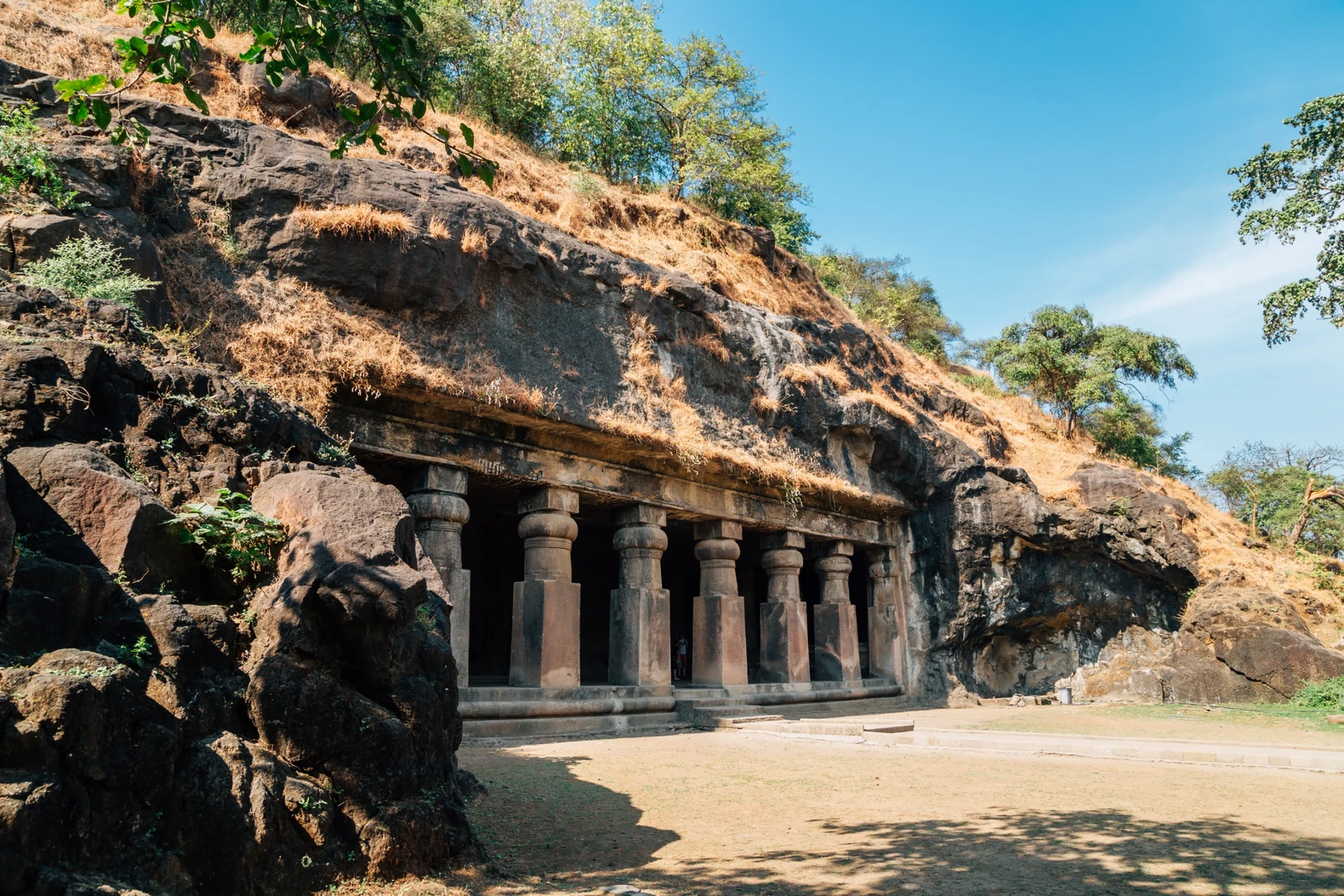
The lush, forested Elephanta Island in Mumbai Harbour is located about 10 kilometres from the Gateway of India. The island is home to around 1,200 residents and, most importantly, the historic Elephanta Cave Temples.
If you need a break from the city’s hustle and bustle, the Elephanta Caves offer a serene escape and another exciting Mumbai sight. Carved into the rocks over 1400 years ago, this UNESCO World Heritage Site is dedicated to the Hindu deity Shiva and is a true masterpiece of sculpture.
On Elephanta Island, you will find six cave temples spread over approximately 2 square kilometres, where the Hindu god Shiva is worshipped. Among these, the Great Cave, also known as Cave 1, is the most renowned. It features the iconic Shiva triad, a magnificent 20-foot-tall sculpture depicting Shiva in his three forms as the Creator, Preserver, and Destroyer. This intricate and awe-inspiring sculpture is a testament to the artistic and religious significance of the caves.
A visit to the Elephanta Caves is not only a cultural journey but also an adventure. The caves are open to visitors from 9:00 AM to 5:30 PM, and the entry fee is INR 40 for Indian citizens and INR 600 for foreign tourists. The best time to visit is during the cooler months, from November to February, to avoid the heat and humidity.
Transportation to Elephanta Island is convenient and enjoyable. Ferries operate regularly from the Gateway of India, with a travel time of about one hour each way. Tickets for the ferry cost around INR 150 to INR 200 for a round trip. It’s advisable to check the weather conditions before planning your visit, as ferry services can be affected by rough seas during the monsoon season.
A trip to the Elephanta Cave Temples is one of the best things to do in Mumbai, offering a unique blend of history, art, and spirituality.
4. Unveil Ancient Buddhist Art at Kanheri Caves
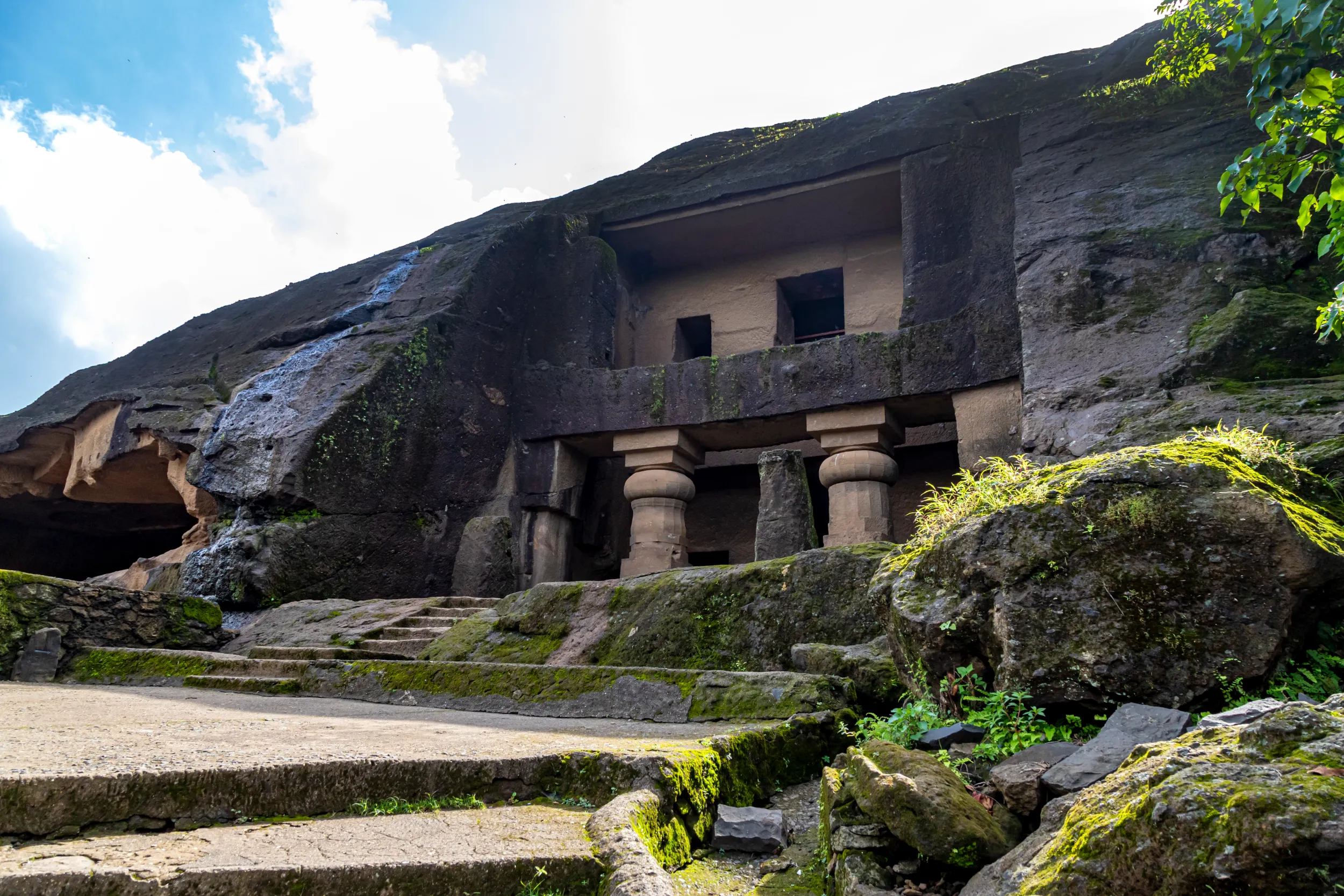
Speaking of caves, you can also visit the Kanheri Caves in north Mumbai. These Buddhist caves offer a quieter experience compared to the Elephanta Caves, with fewer tourists around. Here, you will find more than 100 caves carved into a large rock of basalt lava, situated at an elevation of 150 to 450 metres.
Among the numerous caves, Cave 3 stands out as the largest and most ornate, featuring intricate carvings and a grand assembly hall with towering pillars. The Kanheri Caves served as an important Buddhist centre for worship, meditation, and learning. The inscriptions within the caves mention names of rulers who lived in the 2nd and 3rd centuries CE, indicating that the caves have been in existence for about 1,800 years.
For travellers, the Kanheri Caves are open from 7:30 AM to 5:30 PM. The entry fee is INR 40 for Indian citizens and INR 600 for foreign tourists. The best time to visit is during the cooler months, from November to February, to avoid the intense heat and humidity.
Reaching the Kanheri Caves is convenient. Located within the Sanjay Gandhi National Park, the caves are accessible by public transportation. You can take a local train to Borivali Station, where auto-rickshaws and buses are available at the park entrance. Additionally, guided tours are offered, providing insightful information about the history and significance of the caves.
A visit to the Kanheri Caves offers a peaceful and enriching experience, allowing you to explore the rich Buddhist heritage and marvel at the ancient rock-cut architecture.
5. Experience Spiritual Serenity at Haji Ali Dargah
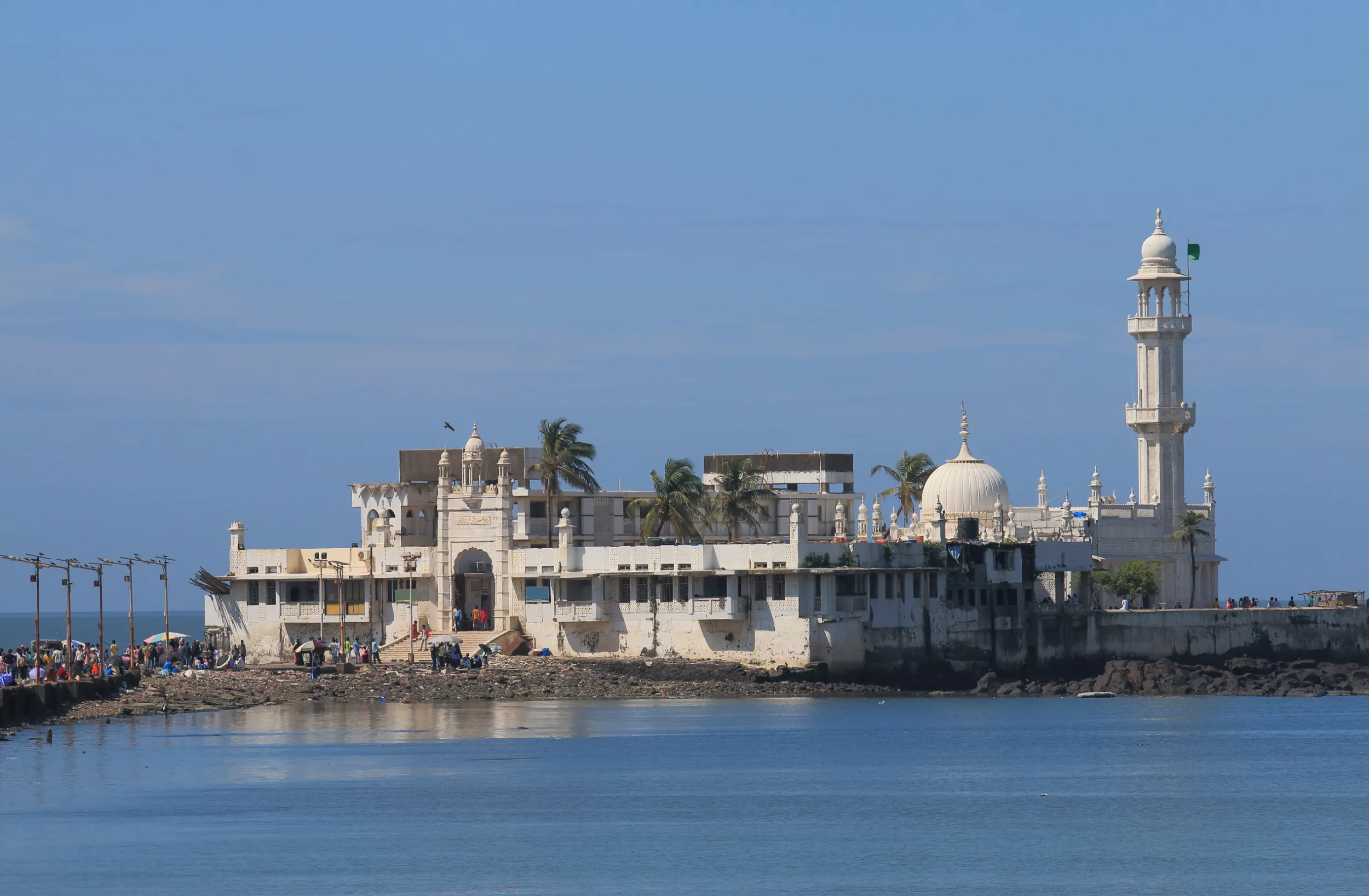
The breathtaking Haji Ali Dargah mosque is one of Mumbai’s most iconic architectural structures. Built in memory of Sayyed Peer Haji Ali Shah Bukhari, a wealthy Muslim merchant from present-day Uzbekistan, who was on his way to Mecca for a pilgrimage, this brilliant white Mughal-style building sits on an island off the coast of Worli.
The mosque is accessible via a narrow walkway that is 500 metres long. Due to its unique location, far from the shore, the mosque can only be reached at low tide, as the walkway is flooded during high tide. Specific timings for the accessibility of the walkway depend on the tidal schedule, so it’s advisable to check local tide times before planning your visit. You can explore the mosque and the burial site on your own or join a guided tour with locals for a more insightful experience.
The building complex spans about 4,500 square metres and includes both a Muslim mosque and the tomb of Haji Ali Shah Bukhari. Legend has it that Haji Ali, a wealthy merchant, renounced all his wealth and worldly possessions before starting his pilgrimage to Mecca. When he passed away en route, his coffin miraculously floated to the place where his tomb now stands in his memory.
The Haji Ali Dargah is constructed from the same marble as the Taj Mahal in Agra, adding to its architectural splendour. It is undoubtedly one of the best sights to see in Mumbai.
When visiting the Haji Ali Dargah, it is important to adhere to the appropriate dress code out of respect for its religious significance. Visitors are expected to dress modestly, covering their shoulders and knees. Additionally, while photography is generally allowed in the outdoor areas, it is respectful to ask for permission before taking photos inside the mosque or of the tomb.
A visit to the Haji Ali Dargah offers a serene and spiritual experience, along with a chance to marvel at the exquisite Mughal architecture and the fascinating history behind this sacred site.
6. Stroll Along the Marine Drive
Experience the magic of Mumbai as you take a leisurely stroll along the world-famous Marine Drive, affectionately known as the “Queen’s Necklace.” This stunning, crescent-shaped boulevard stretches for approximately 3.5 kilometres, offering breathtaking views of the Arabian Sea and the city’s iconic skyline.
The best time to visit Marine Drive is early in the morning when you can enjoy a refreshing breeze and the serenity of the sea, or in the evening, when thousands of lights illuminate the promenade, creating a mesmerising spectacle that lives up to its regal nickname. Whether you’re a solitary wanderer or seeking quality time with loved ones, Marine Drive provides the perfect ambience for relaxation and reflection.
Nearby attractions add to the charm of Marine Drive. After your stroll, you can explore Chowpatty Beach, a bustling spot known for its lively atmosphere and delicious street food. Alternatively, you can visit Nariman Point, the heart of Mumbai’s business district, which offers a mix of modern skyscrapers and historical landmarks.
Marine Drive also offers opportunities to interact with local culture. Enjoying street food is a must, with vendors serving up Mumbai’s famous snacks like bhel puri and pav bhaji. Attending local events or simply people-watching can provide a glimpse into the daily lives of Mumbai’s residents, making your visit even more enriching.
Beyond walking, there are plenty of activities to enjoy at Marine Drive. You can go cycling or jogging along the promenade or simply sit on the sea-facing benches and take in the view. The gentle sound of waves and the cool sea breeze make it an ideal spot for unwinding and soaking in the beauty of Mumbai.
Marine Drive truly captures the essence of Mumbai, offering a blend of natural beauty, vibrant culture, and urban charm. Whether you’re visiting for the first time or returning to relive cherished memories, Marine Drive is a place that never fails to enchant and inspire.
7. Know More About Gandhi

Mumbai is home to Mahatma Gandhi’s residence, where the world-famous resistance fighter lived for 17 years. The Mahatma Gandhi Museum, housed in the historic Mani Bhavan building, offers an impressive narrative of his life through numerous photographs, books, and original pieces of furniture and clothing.
The Mahatma Gandhi Museum is an essential historic site for India. From 1917 to 1934, Mahatma Gandhi lived here, and it was in 1919 that the first protest movement against British colonial rule started within these walls. The museum showcases specific artefacts that highlight Gandhi’s life and work, such as the iconic spinning wheel (charkha) he used to promote self-reliance and the original letters he wrote to various leaders.
The museum’s atmosphere is both serene and enlightening. Spread across two floors, the layout includes a library with a vast collection of books on Gandhi and the freedom movement, a photo gallery depicting significant events in his life, and a room preserved as it was during his stay. Interactive elements, such as audio-visual displays and replicas of Gandhi’s living quarters, provide a deeper understanding of his simple yet impactful lifestyle.
Admission to the museum is generally free of charge, with visitors welcome between 9 am and 6 pm. Only a voluntary donation is requested. The museum is accessible to all, with ramps and elevators for those with mobility issues. For a more immersive experience, consider visiting in the morning when the museum is less crowded.
Nearby attractions include the Hanging Gardens and Kamala Nehru Park, both offering beautiful views of the city. The museum’s central location makes it easy to incorporate into a day of exploring Mumbai’s rich history and vibrant culture.
A visit to the Mahatma Gandhi Museum provides a profound insight into the life and legacy of one of the world’s most influential leaders. It’s a place where history comes alive, offering inspiration and reflection for all who enter.
8. Uncover Mumbai’s Architectural Gems

Located right next to each other in South Mumbai, the High Court, Mumbai University, and the Rajabai Bell Tower are three must-see sights that offer a glimpse into the city’s rich architectural and educational heritage.
Mumbai University, founded in 1857, is one of the three oldest universities in the country. It has a storied history with notable alumni, including Mahatma Gandhi. The university’s stunning architecture and historic significance make it a key landmark.
On the grounds of the university stands the Rajabai Clock Tower. Designed by British architect George Gilbert Scott, the tower bears a striking resemblance to London’s Big Ben, reflecting Scott’s inspiration. This magnificent clock tower, completed in 1878, is not only a timekeeper but also an architectural marvel.
Adjacent to Mumbai University and the Rajabai Clock Tower is the Mumbai High Court, showcasing the Victorian Gothic architectural style. Completed in November 1878, this historic courthouse has been in continuous use since then. The intricate design and grandeur of the High Court building make it a fascinating stop for visitors.
When visiting these landmarks, practical information can enhance your experience. The Mumbai University campus and the Rajabai Clock Tower can be viewed from the outside, while guided tours may be available for those interested in the history and architecture. The High Court is a functioning courthouse, so access may be restricted, but you can still admire its exterior.
Nearby attractions include the Chhatrapati Shivaji Maharaj Terminus, a UNESCO World Heritage Site known for its stunning architecture, and the Prince of Wales Museum, which offers a deep dive into the history and culture of Mumbai. Both are within walking distance and worth a visit.
The atmosphere around these landmarks is a blend of bustling energy and historical grandeur. The lively streets of South Mumbai are filled with students, professionals, and tourists, creating a vibrant backdrop for your visit. The serene university grounds and the majestic clock tower provide a peaceful contrast to the city’s dynamic pace.
Exploring the High Court, Mumbai University, and the Rajabai Bell Tower offers a unique break from the city’s other sights, making it one of the top things to do in Mumbai.
9. Explore Mumbai’s Millionaire Row
Many may not be aware that Mumbai is home to one of the most expensive housing neighbourhoods in the world. Altamount Road, also known as India’s Billionaires’ Row, is home to Bollywood stars and top entrepreneurs, epitomising the stark contrasts of India’s wealth and opulence.
The neighbourhood’s most eye-catching structure is Antilia, a towering residential building that, at first glance, might seem like a luxury apartment complex. In reality, Antilia is the most extensive and most expensive single-family home in the world. Constructed at an estimated cost of $70 million, this architectural marvel is the private residence of India’s richest man, entrepreneur Mukesh Ambani. While the building is not open to the public, its sheer scale and opulence make it a sight to behold.
Altamount Road is accessible by various means of transportation. Visitors can easily reach the area by taxi or rideshare services like Uber and Ola. Additionally, guided tours that cover Mumbai’s landmarks often include a drive through this prestigious neighbourhood, providing insights into the lifestyles of its affluent residents.
Beyond Antilia, Altamount Road boasts several other notable residences and landmarks. Many of these homes are owned by prominent figures in Bollywood and Indian industry, featuring stunning architecture and lush, well-maintained gardens. The area also offers beautiful views of the Mumbai skyline and the Arabian Sea, adding to its allure.
Exploring Altamount Road provides a fascinating glimpse into the luxurious side of Mumbai, contrasting sharply with other parts of the city. Whether you’re a fan of architecture, a Bollywood enthusiast, or simply curious about how India’s elite live, a visit to this neighbourhood will undoubtedly be an eye-opening experience.
10. Visit One of the Many Hindu Temples
About 80% of the people in India practice Hinduism, making it a significant part of Indian culture. Accordingly, visiting one of Mumbai’s numerous Hindu temples is a must.
When you receive a blessing in one of the Hindu temples in India, a Tilaka (colloquially also called Tika) is applied to your forehead. The Tilaka is a blessing sign in Hinduism that is often applied with red pigment, although the colour can vary depending on the deity and region. Be prepared to leave the temple with a noticeable mark on your forehead.
There are numerous temples to choose from in Mumbai, each with unique features and significance:
- Mumba Devi Temple: Dedicated to the goddess Mumba, after whom the city is named, this temple is remarkable for its historical and cultural significance. It is located near Dagina Bazar on Mumbadevi Street.
- Mahalaxmi Temple: One of the oldest temples in Mumbai, built in 1782, this temple is dedicated to the goddess Mahalaxmi. Visitors can take a long staircase up from the Arabian Sea, offering a unique and scenic experience. The temple is known for its beautiful architecture and the annual Navratri festival celebrations.
- Babulnath Temple: Dedicated to Lord Shiva, this ancient temple sits 1,000 feet above sea level. Built by the local ruler Bhimdev in the 12th century, the temple is known for its serene atmosphere and panoramic views of the city. It features intricate carvings and a peaceful ambience, making it a spiritual retreat amidst the bustling city.
- ISKCON Temple: Also known as the Hare Krishna Temple, this marble temple is one of India’s most beautiful Krishna temples. Its walls are decorated with stunning murals and sculptures, and it often hosts vibrant religious festivals and cultural events.
Another significant temple to consider is the Siddhivinayak Temple, dedicated to Lord Ganesha. It is very popular among celebrities and devotees for its powerful spiritual ambience and stunning architecture.
When visiting these temples, it’s important to respect religious customs and traditions. Most temples require modest dress, covering shoulders and knees. Visiting hours vary, but most temples are open from early morning until late evening. Photography guidelines differ, so it’s best to check if photography is allowed inside the temple premises.
Mumbai’s Hindu temples offer a deep dive into the city’s spiritual and cultural heritage, providing visitors with a memorable and enriching experience.
11. Uncover Mumbai’s Historic Railway Station
Victoria Terminus, officially known as Chhatrapati Shivaji Terminus since 1996, is a train station operated by the state-owned Indian Railways. But don’t let the term “train station” fool you—this architectural marvel will captivate any traveller with its sheer size and neo-Gothic splendour.
Constructed between 1878 and 1888, Chhatrapati Shivaji Terminus was designed by British architect Frederick William Stevens. Its blend of Victorian Gothic Revival and traditional Indian architecture is truly stunning, making it perhaps the most beautiful railroad station in India and arguably one of the most beautiful anywhere in the world. The station’s intricate façade, domes, and turrets are a visual feast, and the atmospheric lighting in the evening enhances its grandeur.
Inside, the station continues to impress with its spacious and ornate waiting rooms, elegant ticket counters, and detailed carvings that adorn the walls and ceilings. The central dome is particularly noteworthy, featuring a statue of Progress, symbolising the industrial era’s forward momentum. Various stained glass windows and decorative ironwork add to the station’s historical and artistic appeal.
Chhatrapati Shivaji Terminus is also a UNESCO World Heritage Site, a testament to its architectural and historical significance. It’s a popular spot for photography, especially during the evening when the station is beautifully illuminated. Even if you’re not travelling by train, visiting this station is a must; it’s one of Mumbai’s top sights.
Nearby attractions include the iconic Gateway of India and the bustling Colaba Causeway, both within a short distance from the station. These landmarks provide additional cultural and historical context to your visit.
Reaching Chhatrapati Shivaji Terminus is easy with various transportation options. Local trains, taxis, and buses all provide convenient access to this central hub of Mumbai’s railway network.
12. Unveil Mumbai’s Hidden Gems at the Museum
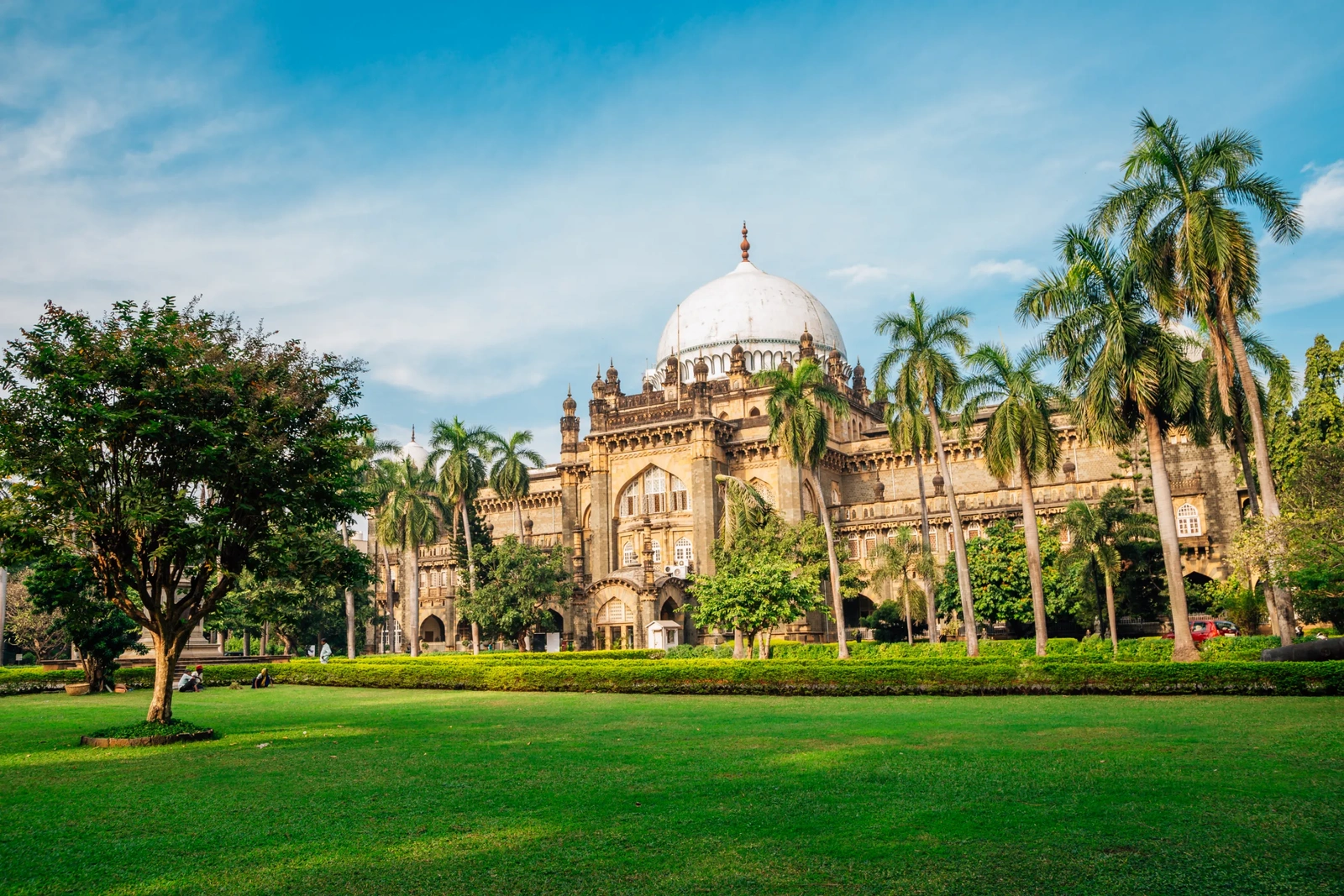
Chhatrapati Shivaji Maharaj Vastu Sangrahalaya, formerly known as the Prince of Wales Museum, is a cultural treasure trove located near Mumbai University and the Rajabai Bell Tower. This magnificent museum houses approximately 50,000 artefacts spanning art, archaeology, and natural history, making it one of India’s most comprehensive collections.
The museum’s Indo-Saracenic architecture is as impressive as its exhibits. Designed by George Wittet, the same architect behind the Gateway of India, the building was constructed between 1909 and 1915. Originally serving as a military hospital during World War I, it opened its doors to the public as a museum in 1922.
Surrounded by a serene palm garden, the museum offers a peaceful escape from the bustling city. Its extensive collection, coupled with its architectural grandeur, makes it a must-visit for any traveller to Mumbai.
13. Shop Till You Drop
Mumbai has plenty of good markets to explore and buy souvenirs for your loved ones back home. While we may not be able to include all of them, here are some of the best markets to consider while in the city.
Crawford Market (Mahatma Jyotiba Phule Market)
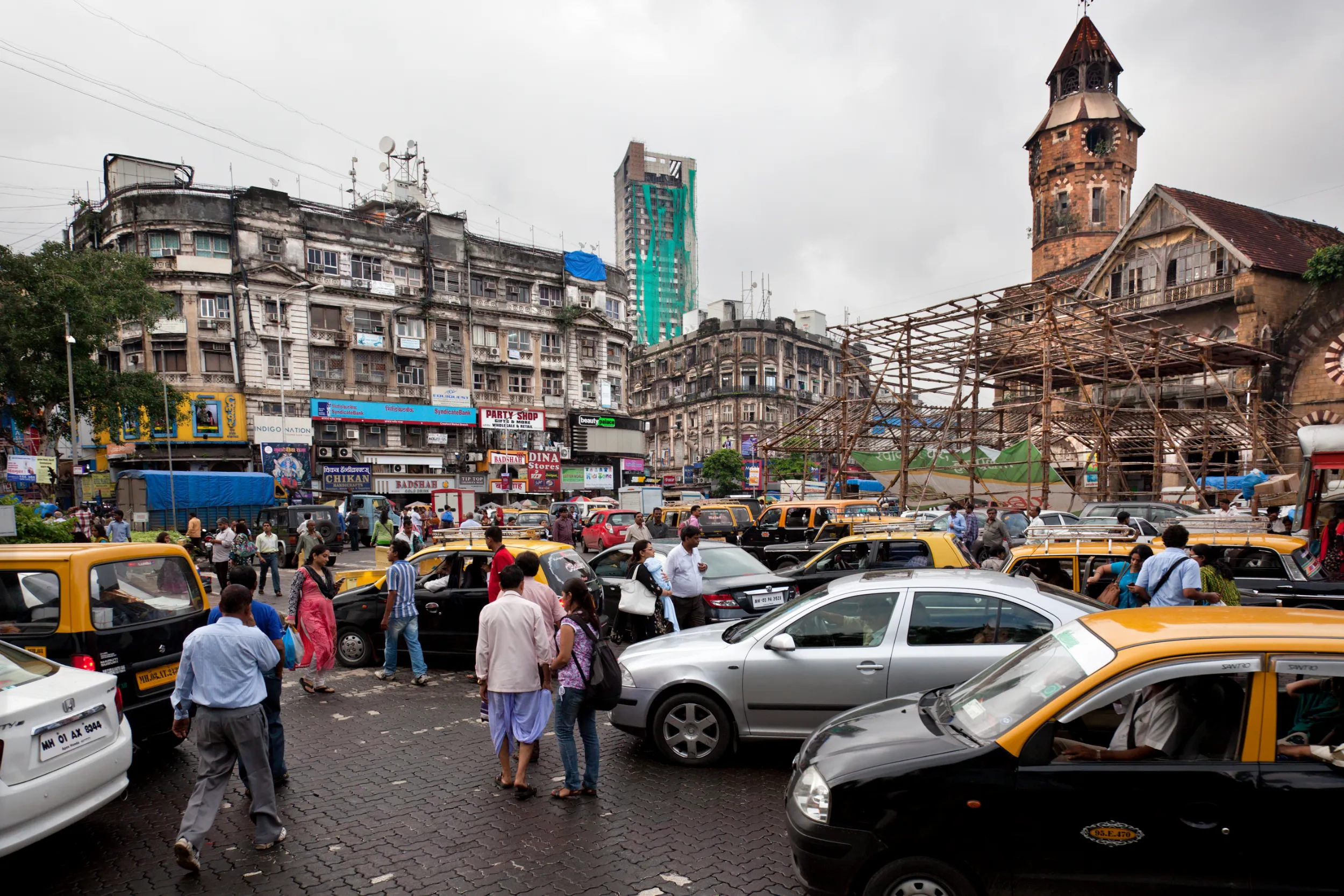
The Mahatma Jyotiba Phule Market, better known to travellers as Crawford Market, is a fundamental Mumbai institution—after all, it has been around since 1871. Located near Victoria Terminus, the market is housed under the roof of a vast historic building featuring a central stone fountain and a clock tower, characteristic of the era’s architecture.
Crawford Market is immensely popular not only with tourists but also with locals. It offers an astounding variety of goods; you can find everything here! From clothes and jewellery to household goods, toys, food, and car parts, the market caters to every need. Popular items include aromatic spices, vibrant textiles, and beautifully crafted handicrafts. The fresh produce section is particularly noteworthy, offering an array of fruits, vegetables, and exotic imports.
Walking through Crawford Market is a sensory delight. The lively chatter of vendors and shoppers, the vibrant colours of textiles and produce, and the enticing aromas of spices and fresh foods create an immersive and bustling atmosphere. The market’s historic charm adds to the experience, making it a fascinating blend of the old and the new.
For visitors, it’s best to arrive early in the morning or late in the afternoon to avoid the midday crowds. Bargaining is a common practice here, so don’t hesitate to negotiate for the best prices. Nearby, you can find several eateries offering delicious local snacks and meals, perfect for a quick break between shopping sprees.
Crawford Market is not just a shopping destination; it’s a cultural experience that captures the essence of Mumbai’s vibrant marketplace tradition. Whether you’re looking for unique souvenirs or simply want to soak in the lively atmosphere, a visit to this iconic market is a must.
Chor Bazaar
This old market is one of the country’s largest. Legend has it that Chor Bazaar (Thieves Market) is the place to go if any of your items disappear while in Mumbai.
The peculiar name of the market comes from a popular tale that some of Queen Victoria’s possessions disappeared when one of her ships was in Mumbai, and these items later turned up for sale in the market. While the accuracy of this story is debatable, the market is primarily known for its wide range of second-hand goods, antiques, and collectables. Shoppers can find everything from vintage furniture and old Bollywood posters to rare coins and quirky artefacts.
Another market to explore is Fashion Street, aptly named for its abundance of fashion items. With around 150 affordable stalls, you can find trendy apparel, footwear, and accessories at bargain prices. It’s a haven for fashion enthusiasts looking for the latest styles without breaking the bank.
Lamington Road is your go-to destination for electronics in Mumbai. Known for offering the cheapest electronic goods, both old and new, it’s a bustling area where you can find everything from computer parts and mobile accessories to vintage audio equipment. The vibrant and chaotic atmosphere adds to the excitement of shopping here.
For a more upscale shopping experience, visit High Street Phoenix, Mumbai’s premier mall, which includes the luxury section called the Palladium. This area offers a range of high-end brands and designer boutiques, providing a contrast to the bustling street markets.
Exploring these diverse markets gives you a comprehensive glimpse into Mumbai’s dynamic shopping scene. Whether you’re hunting for antiques, fashion bargains, electronics, or luxury items, these markets offer something for every type of shopper.
14. Take a Day Trip to Matheran
One of the things you shouldn’t miss while in Mumbai is taking a day trip to the mountain village of Matheran. This charming town with about 5,000 inhabitants offers the perfect escape from the hustle and bustle of Mumbai. Here, you can breathe fresh air and rejuvenate in nature. Plus, you’ll encounter countless monkeys, which adds a playful element to your visit.
Located about 30 kilometres from Mumbai, Matheran sits on a table mountain surrounded by lush greenery. What makes this place unique is the ban on cars, resulting in much fresher and cleaner air compared to Mumbai. Additionally, the absence of engine noises and horns creates a serene and tranquil atmosphere, a stark contrast to the city’s constant buzz.
Transportation to Matheran is part of the adventure. You can take the toy train from Neral, a delightful journey through scenic landscapes that adds to the charm of the trip. Alternatively, you can reach Neral by train from Mumbai and then hire a rickshaw or taxi to the base of the hill, where you can walk or take a horseback ride up to Matheran.
Once in Matheran, there are numerous activities to enjoy. Hiking is a popular pastime, with several trails leading to breathtaking viewpoints, such as Panorama Point and Echo Point. Horse riding is another favourite activity, allowing you to explore the area at a leisurely pace. Don’t miss Charlotte Lake, a serene spot perfect for picnics and relaxation.
For those planning an overnight stay, Matheran offers a range of accommodation options, from cosy guesthouses to charming heritage hotels. Staying overnight allows you to experience the peacefulness of the village after the day-trippers have left, providing a truly immersive retreat.
A visit to Matheran offers a refreshing break from the urban environment of Mumbai, with its pristine air, natural beauty, and serene ambiance making it an unforgettable experience.
15. Step into the World of Bollywood
Mumbai is synonymous with Bollywood, the vibrant Indian film industry that produces more films annually than any other in the world. For an unforgettable experience, consider a tour of a Bollywood film studio, where you can witness the magic behind the silver screen. These tours offer a fascinating glimpse into the filmmaking process, providing an insider’s look at how movies are made, from elaborate set designs to intricate costumes that reflect India’s rich cultural heritage.
Guided tours typically include visits to various departments within the studios, such as costume and set design, and often allow you to watch live shootings. Experienced guides share interesting anecdotes and lesser-known facts about the industry, adding depth to your understanding of Bollywood. Popular studios like Film City, Mehboob Studio, and Yash Raj Studios each offer unique experiences, contributing to Mumbai’s reputation as the heart of Indian cinema.
Many tours also offer interactive experiences, such as participating in mock shootings or learning dance moves from choreographers, adding a fun and memorable dimension to your visit. A Bollywood studio tour not only showcases the artistry and hard work behind the films but also offers a deeper appreciation of the influence Bollywood has on fashion, music, and social trends in India. Whether you’re a movie buff or just looking for a unique adventure, a Bollywood studio tour in Mumbai promises an unforgettable experience.
Tips for Travelling to Mumbai
Mumbai, while an exciting city, can also be overwhelming for first-time visitors. Here are some essential tips to ensure a smooth and enjoyable trip:
Best Time to Visit
Mumbai experiences a tropical monsoon climate characterised by hot, humid summers and heavy rains during the monsoon season. The best time to visit Mumbai is between October and February, when the weather is pleasantly cool and dry. During these months, you can comfortably explore the city’s many attractions without the intense heat or the inconvenience of monsoon rains. This period also coincides with several cultural festivals, offering a richer experience of Mumbai’s vibrant culture.
Packing
When packing for Mumbai, prioritise light and comfortable clothing suitable for warm and humid weather. Cotton and linen fabrics are ideal as they are breathable and help keep you cool. Don’t forget essential items such as sunscreen to protect your skin from the strong sun, a wide-brimmed hat for additional shade, and comfortable walking shoes for exploring the city on foot. An umbrella or a light raincoat can also be useful if you visit during the shoulder months of the monsoon season.
Transportation
Mumbai’s local train network is the backbone of the city’s transportation system. It is efficient and affordable, making it a convenient option for getting around. However, it can be extremely crowded during rush hours, so plan your travel accordingly. Taxis and auto-rickshaws are readily available and are a good alternative for shorter distances or if you prefer a more comfortable ride. Be prepared for traffic congestion, especially during peak hours. Ride-sharing apps like Uber and Ola are also widely used and offer a convenient way to navigate the city.
Safety
While Mumbai is generally considered safe for travellers, it’s essential to exercise caution, particularly in crowded areas like markets and train stations. Keep an eye on your belongings and avoid displaying valuables openly to prevent attracting unwanted attention. It’s also advisable to avoid isolated areas after dark. Stick to well-lit and populated streets, and if you’re unsure about a location, ask locals or hotel staff for advice.
Food
Mumbai boasts a diverse culinary scene, offering everything from high-end restaurants to vibrant street food stalls. Be adventurous and sample the local street food, such as vada pav, pav bhaji, and pani puri. However, ensure you choose reputable vendors to avoid foodborne illnesses. Look for stalls that are busy with locals, as high turnover usually indicates fresh food. Stick to bottled water and avoid ice in your drinks to prevent any stomach issues.
Culture
Respecting local customs and traditions is important, especially when visiting religious sites. Dress modestly, covering your shoulders and knees, and remove your shoes before entering temples and mosques. Photography may be restricted in some areas, so always ask for permission before taking pictures. Understanding and respecting these cultural norms will enhance your experience and help you connect more deeply with the local community.
Bargaining
Bargaining is a common practice in Mumbai’s markets and shops, and it can be a fun way to interact with local vendors. Approach negotiations with a polite and friendly attitude. Start by offering a price lower than what you’re willing to pay and gradually work your way up. Be firm but respectful, and remember that bargaining is not about winning but finding a mutually agreeable price. Enjoy the process, as it adds to the cultural experience of shopping in Mumbai.
By keeping these tips in mind, you can make the most of your visit to Mumbai, enjoying its vibrant energy, rich culture, and diverse experiences while ensuring your trip is smooth and enjoyable.
Mumbai, a city where dreams are made of concrete and aspirations soar higher than the skyline, offers an unparalleled tapestry of experiences. From the historic charm of colonial-era landmarks to the vibrant energy of bustling markets, this metropolis has something to captivate every traveller. Whether you’re seeking spiritual solace, cultural immersion, or adrenaline-pumping adventures, Mumbai promises to leave an unforgettable mark on your soul. So, pack your bags, embrace the chaos, and prepare to be enchanted by the magic of this extraordinary city.