


Best Places to Visit Bonn
Updated On: February 26, 2024 by  Gabbi Ferrin
Bonn is one of the oldest cities in Germany. The city is located on the banks of the Rhine, a dozen kilometres south of the confluence of the Sieg and Rhine. There are hills in the south and plains and valleys in the north. It was once the capital of West Germany until 1990. As the former capital, here remain some significant German companies headquarters and EU offices. This city is also the birthplace of the notable composer Beethoven and the famous gummy sweet “Haribo ” origin place.
It might not be a big prosperous city, but you won’t regret visiting this gorgeous historic city.
Beethoven’s Birthplace
Bonn holds a special place in the hearts of music enthusiasts worldwide as the birthplace of one of the greatest composers in history, Ludwig van Beethoven. Situated in the city’s heart, Beethoven-Haus is a tribute to the musical genius and offers visitors a glimpse into his life and work. Explore the meticulously preserved rooms where Beethoven was born and spent his early years, and marvel at the collection of instruments, manuscripts, and personal belongings that offer insight into his creative process. Take advantage of the opportunity to attend a concert at the Beethoven-Haus to experience his timeless compositions in the city where it all began.
Visit Drachensfels Castle
Drachenfels means dragon rock in German. The castle Berg Drachenfels is located on one of the hills of the Siebengebirge. To get to the castle, you can take a good walk or take the funicular in order to get there. It takes some effort and a bit of hiking to arrive at the top of the castle because some paths are quite steep.
Therefore it is better to wear comfortable shoes that are durable for walking. When you arrive at the top, there are tourist shops, seating areas, and a restaurant to let you take a rest. People can have a spectacular view over Rhein.
Haribo Factory Outlet (Haribo Fabrikverkauf Factory)
Haribo stands for Hans Riegel Bonn. Hans Riegel comes from the founder’s name, Johannes Hans Riegel. “Bonn” originates from the location of the headquarters.
Here is heaven for sugar lovers. Not only can you find a competitive price for all Haribo products, but you also have your personalized gummy bear selection. All Haribo products are available, even those produced for specific countries only. Such as Gummy sweets that are made into tourist attractions. And Bonn has its own Haribo product, too. You can buy the pieces individually, in small buckets or in packages. It’s a great option to buy your gifts for your friends.
Waldau
Waldau is a part of the City Bonn forest. It is located in the southern part of Bonn, which is in Venusberg. Although it is close to the mountains, it is still reachable by bus or car.
There are beautiful walking paths in the woods for walking, jogging or riding. You can also see red deers, fallow deers, mouflons, and wild boars in the wild park. They are held in large and natural enclosures. There is also a playground area for children. Waldau is best known as a destination for excursions. Near the entrance is a restaurant for tourists to have a meal or afternoon tea. If you are looking for free things to do in Bonn, this is ideal as no entrance fee is needed.
University of Bonn Hofgarten
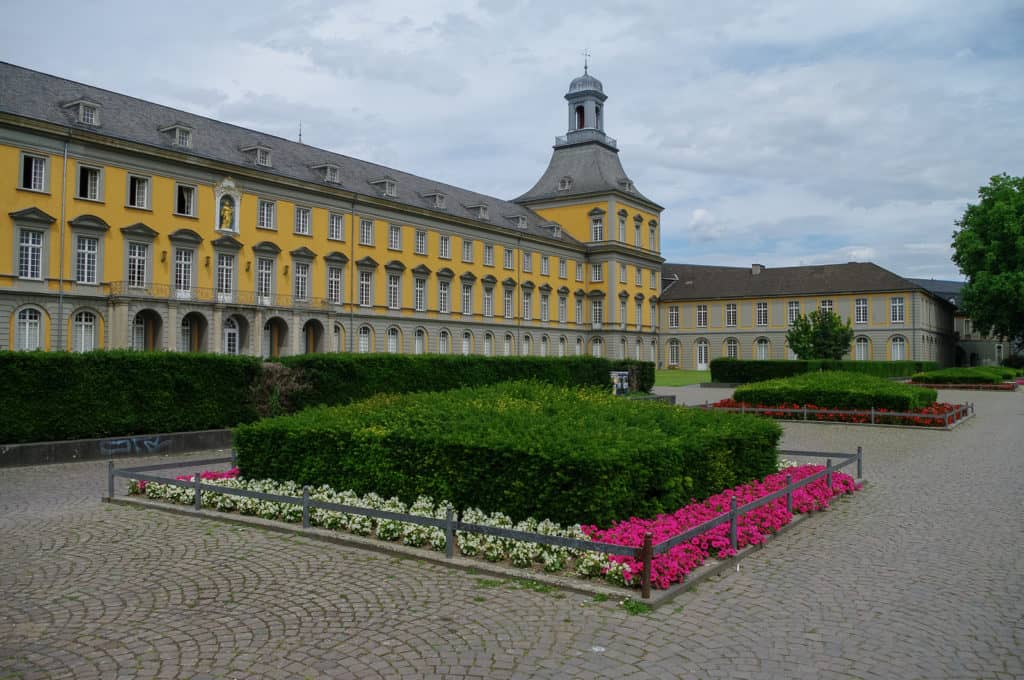
In 1818 this university was built by Prussian King Friedrich Wilhelm III. It is one of the great traditional Universities in Germany. Many significant politicians, philosophers, litterateurs studied here and made great success. Such as Konrad Adenauer, who is the first Chancellor of the Federal Republic of West Germany. Also, the poet Heinrich Heine and philosopher Karl Marx are notable alumni from the University of Bonn. The University of Bonn is not a campus university, but the buildings are distributed throughout the city. Hofgarten is located in front of the main building, where people can have a gathering or have a picnic in sunny weather since it’s a big green area for students to relax when the weather’s comfortable and to have a great time.
Cherry Blossom at Heerstraße
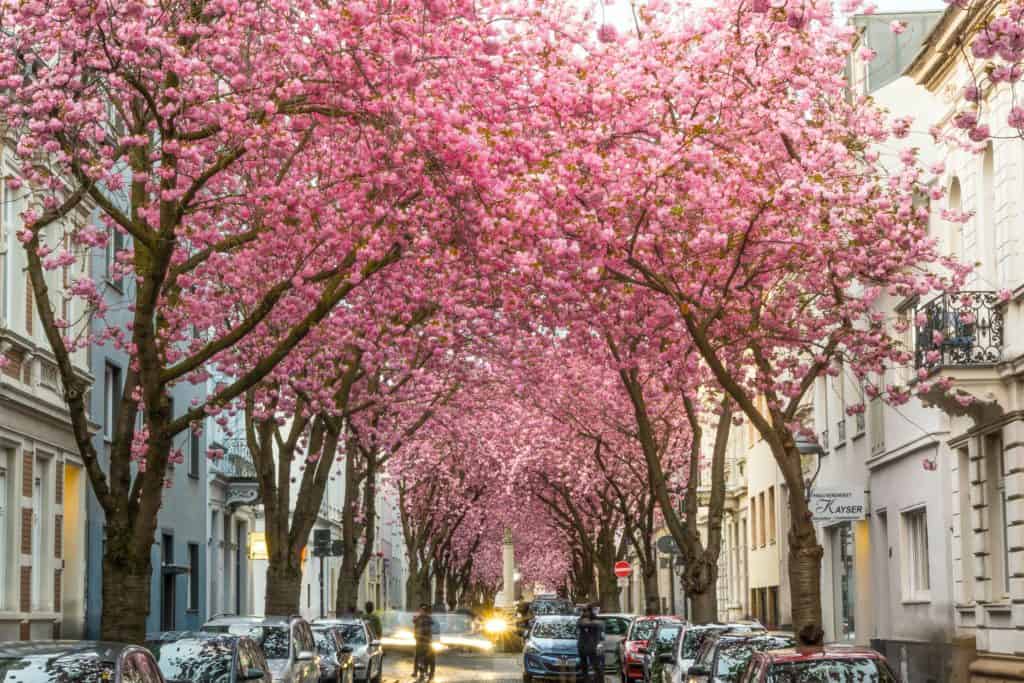
Heerstraße(Heerstreet) is in Altstadt. Altstadt means old town in German. It is also close to the centre in Bonn. There are lots of unique local style shops, which sell locally branded products with Bonn features. There are lots of bars and restaurants to check out in the evening to experience the Bonn nightlife with great food and drinks.
If you are planning to visit between March and April, it’s the perfect time to experience the cherry blossom trees of Bonn. People stop and take many pictures in order to gaze at the beauty of the blossom. As you walk along the street, it feels as if you were in a dreamy wonderland.
Munster Square (Münsterplatz)
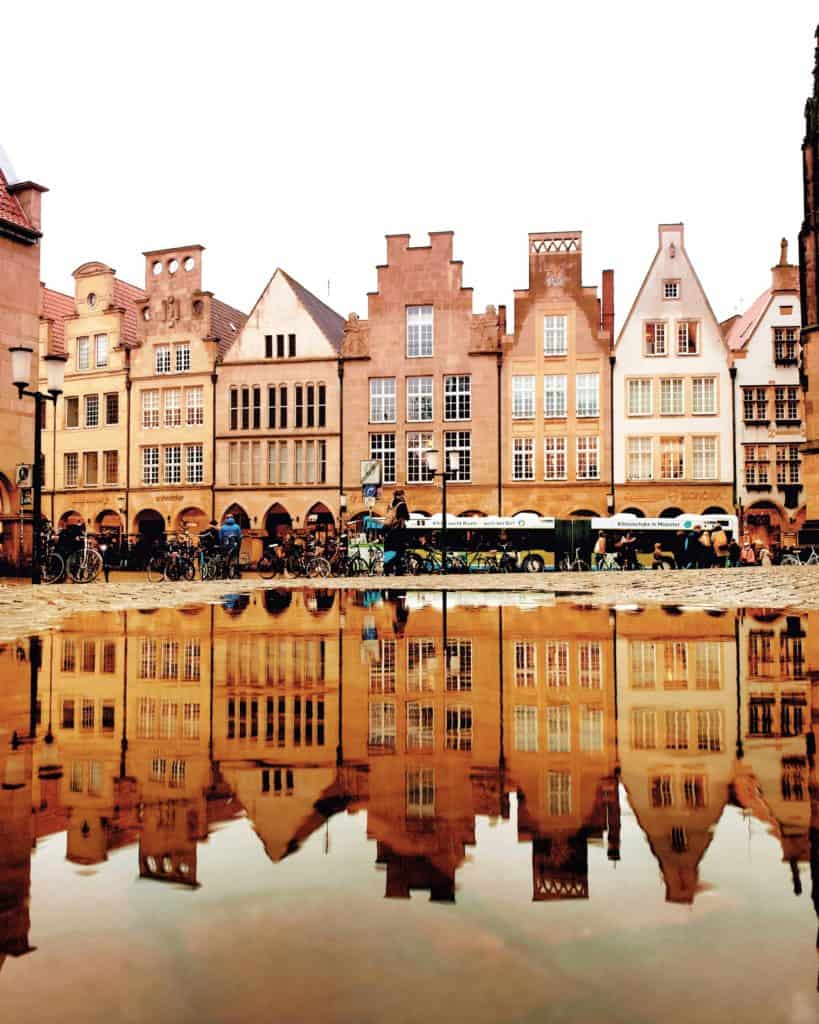
Munster Square is located in the centre of Bonn.
This place is bustling with people every day. There are plenty of shops and department stores, such as Galeria and Kaufhof, are located around the Square. The post office and the city hall are nearby Munster Square.
Of course, as the birthplace of Beethoven, the Beethoven monument stands in front of the Square. Lots of events are held here, especially the annual Christmas market. On weekends there are lots of cafes to go to and a great way to have a relaxing daytime.
Bonn is not only a place steeped in history. It is also an important cultural centre in the region. It is a city in the heart of Europe, a city with the proverbial Rhenish charm. Because of its central location, Bonn is an ideal starting point for trips within Germany and across Europe. Bonn is an old city that has stayed young. City life and nature experience are close together. Thus Bonn is definitely one of the worth- visit cities in Germany.
Bonn’s Culinary Delights
A visit to Bonn would only be complete with sampling the city’s culinary delights, which reflect its diverse cultural influences and rich culinary traditions. Indulge in a traditional German feast at one of the city’s many beer gardens or taverns, where you can savour hearty dishes like schnitzel, bratwurst, and sauerkraut paired with locally brewed beer.
Explore the vibrant food markets and street stalls throughout the city to taste international cuisine, offering everything from Middle Eastern falafel to Asian dumplings. Remember to satisfy your sweet tooth with a visit to one of Bonn’s charming cafes or bakeries, where you can indulge in decadent pastries, cakes, and chocolates. Whatever your culinary preferences, Bonn offers a gastronomic adventure that will tantalise your taste buds and leave you craving more.
Poppelsdorf Palace and Botanical Garden
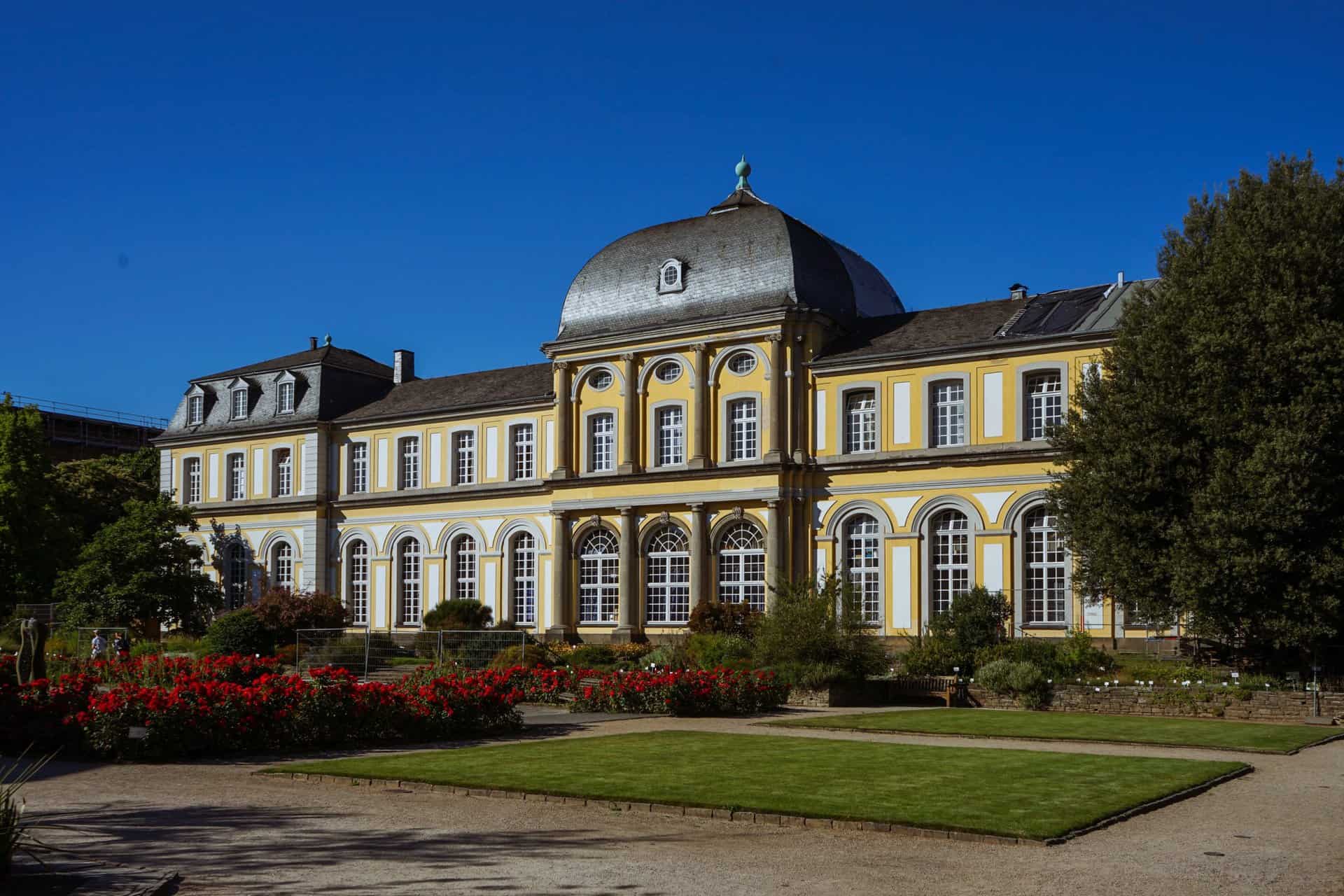
Escape the hustle and bustle of the city and immerse yourself in the natural beauty of Poppelsdorf Palace and Botanical Garden. Originally built as a summer residence for the Prince-Electors of Cologne, this magnificent palace is now home to the University of Bonn’s botanical gardens. Explore the meticulously landscaped gardens featuring diverse plant species worldwide, including exotic tropical plants, fragrant roses, and towering palm trees. Marvel at the elegant Baroque palace architecture, with its grand façade, manicured lawns, and tranquil ponds. Whether you’re a nature lover or a history buff, Poppelsdorf Palace and Botanical Garden offers a peaceful oasis where you can unwind and reconnect with the beauty of the natural world.
Museum Mile
Bonn’s Museum Mile is a cultural mecca that beckons art enthusiasts and history buffs with its diverse museums and galleries. Start your exploration at the Haus der Geschichte der Bundesrepublik Deutschland (House of the History of the Federal Republic of Germany), where you can delve into the fascinating history of post-war Germany through interactive exhibits, artefacts, and multimedia displays.
Next, wander through the Kunstmuseum Bonn (Bonn Art Museum), which showcases an impressive collection of contemporary German art, including paintings, sculptures, and installations. Take advantage of the Arithmeum, a unique museum dedicated to the history of mathematics, featuring interactive exhibits, mathematical models, and ancient artefacts. With so many museums, the Museum Mile offers a captivating journey through Bonn’s rich cultural heritage.
Poppelsdorf Palace and Botanical Garden
Escape the hustle and bustle of the city and immerse yourself in the natural beauty of Poppelsdorf Palace and Botanical Garden. Originally built as a summer residence for the Prince-Electors of Cologne, this magnificent palace is now home to the University of Bonn’s botanical gardens. Explore the meticulously landscaped gardens featuring diverse plant species worldwide, including exotic tropical plants, fragrant roses, and towering palm trees. Marvel at the elegant Baroque palace architecture, with its grand façade, manicured lawns, and tranquil ponds. Whether you’re a nature lover or a history buff, Poppelsdorf Palace and Botanical Garden offers a peaceful oasis where you can unwind and reconnect with the beauty of the natural world.
Conclusion
With its rich history, vibrant culture, and natural beauty, Bonn is a city waiting to be discovered. Whether you’re exploring its historic landmarks, immersing yourself in its cultural scene, or indulging in its culinary delights, Bonn offers diverse experiences that cater to every traveller. So, pack your bags and embark on an unforgettable journey to uncover this charming city’s best places to visit. From Beethoven’s birthplace to the Rhine Promenade, Bonn beckons with its timeless allure and promises to leave a lasting impression on all who see.

6 Top Mourne Camping Sites for an Unforgettable Experience Under the Stars
Northern Ireland
18/04/2024

Eostre: The Germanic Goddess of Dawn and Spring Equinox Celebrations
Mythology and Folklore
17/04/2024

Explore the Top Hotels in County Cavan for Your Ultimate Getaway
County Cavan
17/04/2024

Irish Golf: Exploring the Top Golf Courses in Ireland
Culture Exploration
17/04/2024

Exploring the Rich Tradition of Gaelic Festivals: Samhain, Imbolc, Bealtaine, and Lughnasadh
Festivals and Events
16/04/2024