


Bangor Harbour – Bangor Marina – A Lovely Seafront Walk
Updated On: April 18, 2024 by  Noha Nabil
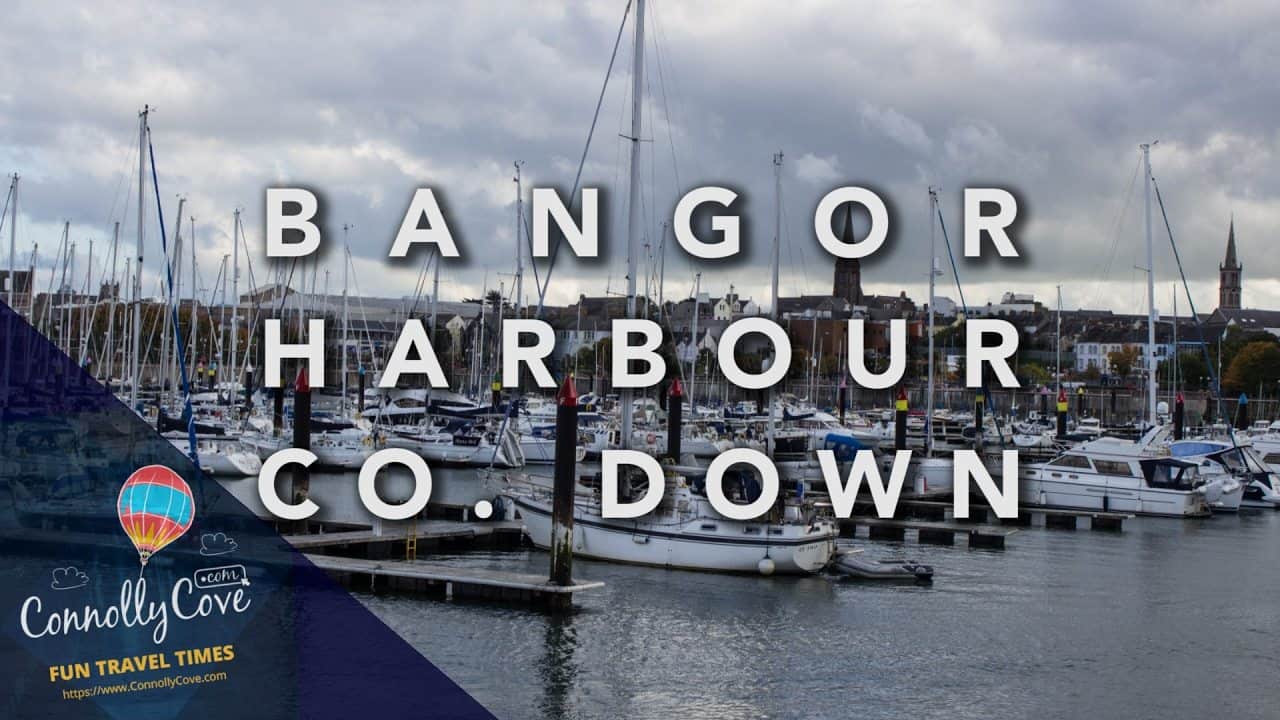
The award-winning Bangor Marina, at the heart of Bangor Town, Co. Down, is Ireland’s most popular holiday destination. On the south shore of Belfast Lough lies probably one of the most premium-service offering marinas.
One of the beautiful attractions in the magical town of Bangor, Bangor Marina, offers high-standard facilities and real-value marine services for boat owners. Check out the Bangor Marina in 360′ Degrees below!
The Yacht Harbour Association awarded Bangor Marina 5 gold anchors and has maintained such prestigious status since 1996. It is the only marina in Ireland and the UK to be granted the ‘World Host’ accreditation. It is also considered one of the largest marinas there. The vibrant, colourful haven offers safe and secure berthing near all the main roads, rail and air transport networks, and the Irish Sea cruising routes.
Exploring Bangor Harbour
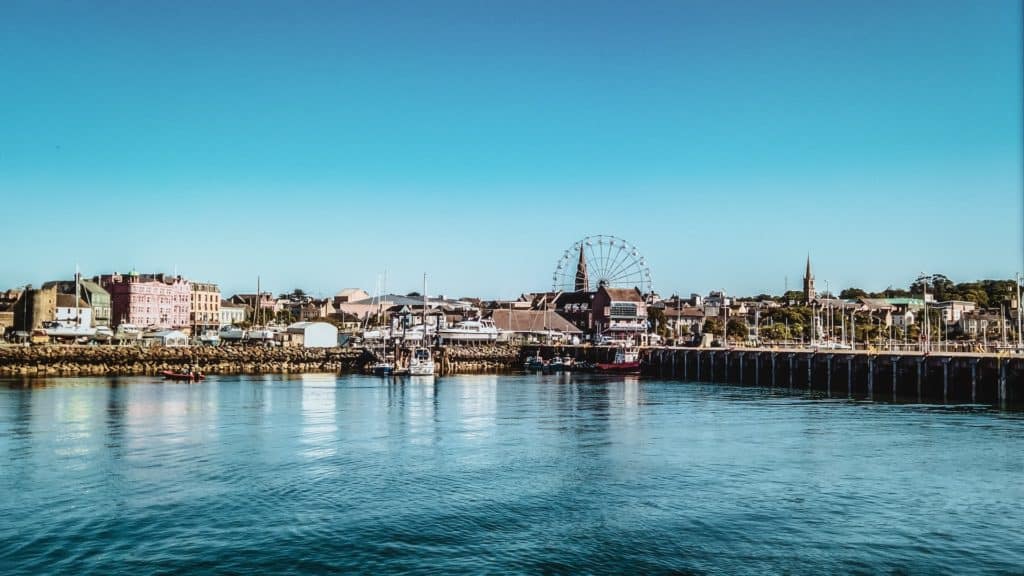
A stroll along Bangor Harbour’s promenade is a delightful experience that immerses visitors in the town’s maritime heritage. The waterfront has charming cafes, seafood restaurants, and shops offering local crafts and souvenirs. Seagulls and the gentle lapping of waves against the shore create a soothing ambience as you wander the quayside.
One of the highlights of Bangor Harbour is its vibrant marina, home to a diverse array of boats and yachts. Whether you’re an avid sailor or simply appreciate the beauty of maritime vessels, the marina is a captivating sight to behold. Visitors can watch boats bob gently in the water or stroll along the marina’s pontoons, admiring the craftsmanship of the vessels moored there.
Bangor Marina: A Sailor’s Paradise
Bangor Marina is renowned as one of the finest marinas in Northern Ireland, offering state-of-the-art facilities and a warm welcome to sailors from near and far. With over 500 berths accommodating boats of various sizes, the marina provides a safe and convenient haven for seafarers exploring the Irish Sea.
The marina’s strategic location makes it an ideal starting point for exploring the stunning coastline of Northern Ireland and beyond. From Bangor, sailors can embark on exhilarating journeys to destinations such as the Antrim Coast, the Scottish Isles, or even further afield. Whether planning a weekend getaway or a more extended voyage, Bangor Marina is the perfect base for maritime adventures.
A Seafront Walk to Remember
One of the best ways to experience the beauty of Bangor Harbour and Marina is by taking a leisurely seafront walk. The promenade stretches along the waterfront, offering stunning views of Belfast Lough and the surrounding coastline. As you stroll along the path, you’ll encounter benches where you can pause to take in the scenery or simply watch the world go by.
The seafront walk is popular with locals and visitors alike, providing a tranquil escape from the hustle and bustle of everyday life. Walking alone, with friends, or with four-legged companions, the seafront promenade offers a serene setting for relaxation and reflection.
Along the way, you’ll pass by several points of interest, including the RNLI lifeboat station and Pickie Fun Park, a family-friendly attraction featuring a miniature railway and adventure playground. These attractions add to the charm of the seafront walk, providing opportunities for entertainment and exploration along the route.
Legends of the Bangor Marina
Legend has it that there were once two warriors named Fróech and Conall Cernach. They returned from France to Bangor Bay with Fróech’s herd of cattle. However, on their way to Bangor, Conall’s favourite servant, Bicne mac Láegaire, died. So, they called the bay Inber mBicne after the servant’s name—the Bangor Bay we know today. When they landed, they all blew their horn in honour of the servant’s death. Accordingly, the area where they landed was named Trácht mBennchoir (i.e. Bangor strand). Where Trácht in Gaelic means ‘strand’, Benn means ‘horn’, and cor means ‘casting’—the strand of the horn casting.
Marina’s name is also believed to be derived from the word Beanna, which means ‘cliffs’ in Irish and ‘horned bay’ in ancient Norse. Such a notion is supported by the resemblance of Bangor Bay’s shape to a bull’s horns.
Marina Facilities
A highly qualified staff team runs Bangor Marina 24/7. The Marina offers 550 berths. Pontoons can fuel at the pump-out station 24 hours a day or purchase bottled gas at the chandlery. The Marina also provides a boatyard service for boat repair and an electricity supply for visiting pontoons. On the ground floor of Bregenz House, there are toilets, showers and a laundry room. Also, if you face any trouble with your phone, you’ll find a payphone in Bregenz House and BT Openzone wifi throughout the Marina.
Offers
- Free reciprocal berthing between all Quay Marinas for annual berth holders.
- Free introductory RNLI membership.
- 50% Discount on winter berthing.
- 20% Discount off standard Towergate Mardon insurance.
- 15% Berth discount for boats sold into the Practical Boat Owner marinas by their on-site brokerage.
- Free WiFi.
Culinary Delights and Refreshments
No visit to Bangor Harbour would be complete without sampling the local culinary delights. From freshly caught seafood to traditional Irish fare, the waterfront teems with restaurants and cafes serving delicious treats to satisfy every palate.
Seafood lovers will delight in the various dishes, including locally sourced oysters, mussels, and crab. Hearty dishes such as Irish stew and soda bread are sure to hit the spot for those craving Northern Irish cuisine. And, of course, no visit to Bangor would be complete without indulging in a classic portion of fish and chips, enjoyed al fresco as you gaze out over the shimmering waters of the harbour.
Other places near Bangor
There are several good restaurants near Bangor Marina to enjoy meals with your family. Or take a relaxing walk along the coast to Crawfordsburn Country Park or Ballyholme and beyond and feel the gentle breeze.
Also, don’t miss the Town Hall (North Down Heritage Centre) for a unique historical display for free. Should you have your kids with you, worrying about them getting bored is unnecessary. Kids can enjoy their time playing at Pickie Park. If you’re here in August, the Open House Festival has plenty of events to entertain you. So, ready to go? Below, we have included the location so you can easily find the marina.
Conclusion
Bangor Harbour and Bangor Marina offer a delightful escape for those seeking to immerse themselves in Northern Ireland’s maritime heritage. Whether taking a leisurely seafront walk, exploring the bustling marina, or sampling the local cuisine, Bangor has something to offer everyone. So why not plan a visit to this charming seaside town and discover the beauty of Bangor Harbour for yourself?
Have you visited the Marina or any other attractions/places in Bangor? We would love to hear your experience in the comments below.
Also, don’t forget to check out our other blogs that might interest you: Browns Bay | Helens Bay Beach | Down County Museum | Pickie Park Bangor | Crawfordsburn | Ulster Folk Museum

The Kingdom of Ireland: King Henry VIII’s Declaration as the King of Ireland
Ireland
19/04/2024

The Truth about the Claddagh Ring Curse: Debunking Myths and Exploring the Symbolism
Mythology and Folklore
19/04/2024

Top 10 Irish Public Holidays and Traditions to Experience on Your Ireland Holidays
Festivals and Events
18/04/2024

6 Top Mourne Camping Sites for an Unforgettable Experience Under the Stars
Northern Ireland
18/04/2024

Eostre: The Germanic Goddess of Dawn and Spring Equinox Celebrations
Mythology and Folklore
17/04/2024