


23 Spectacular Destinations in Argentina You Should Visit
Updated On: April 22, 2024 by  Miranne Khaled
Argentina is one of the most eccentric lands in South America where there is something for everyone. This peculiar country is home to the beautiful mountainous range of the Andes, along which span several splendid landscapes. Its strategic and geographic location confines harsh deserts as well as humid jungles where rare wildlife occupies.
It is also home to some picturesque mountains on which snow caps in addition to dramatically vast landscapes of nature. Argentina doesn’t have the same hype as its neighbor country, Brazil, despite all of what it possesses. However, it encompasses more than a few iconic landmarks and monuments that could rival its South American counterparts.
In Argentina, one more thing that you will find is a cultural heritage and rich history. There are many historical attractions to visit and immerse in magnificent locations from the past. If history is not your thing, there is still a lot offered if you bear with us.
Are you more into taking on adventures in the wilderness? Do breathtaking sightseeings inspire you? Are glaciers and snowy lands your thing? No matter which category you fall into, you will always find it all in Argentina. This list will introduce you to some of the most popular attractions in Argentina that you shouldn’t miss.
1. Perito Moreno Glacier
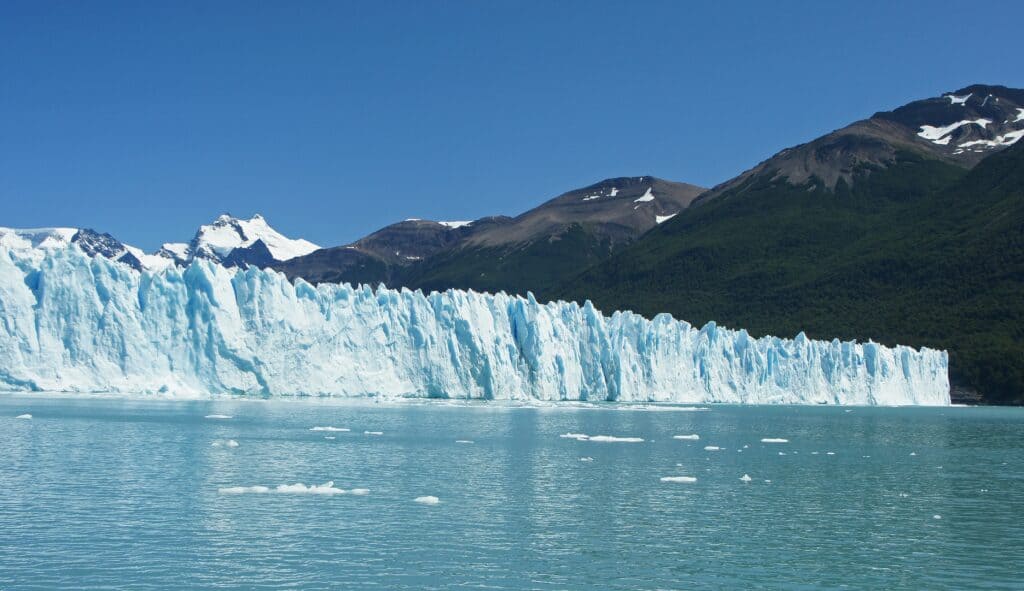
Did you have any idea about the existence of a glacier in Argentina? This fact is quite surprising for many. But, Perito Moreno Glacier is not an ordinary icy mountain that you see every day. This particular glacier is said to expand by a couple of meters every single day. It is pretty terrific since many glaciers around the world shrink and not the other way around.
The Perito Moreno Glacier holds the third-largest freshwater reserve worldwide, and its view is quite hypnotizing. You can reach this notable glacier within Los Glaciares National Park on the outskirts of El Calafate town in Patagonia.
2. Mount Fitz Roy
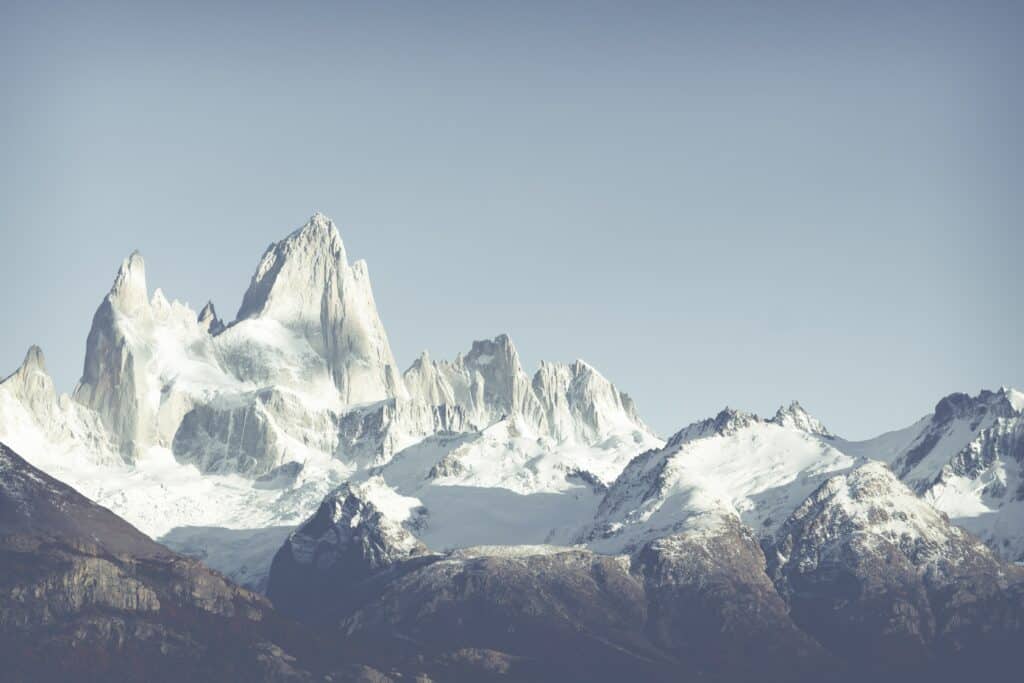
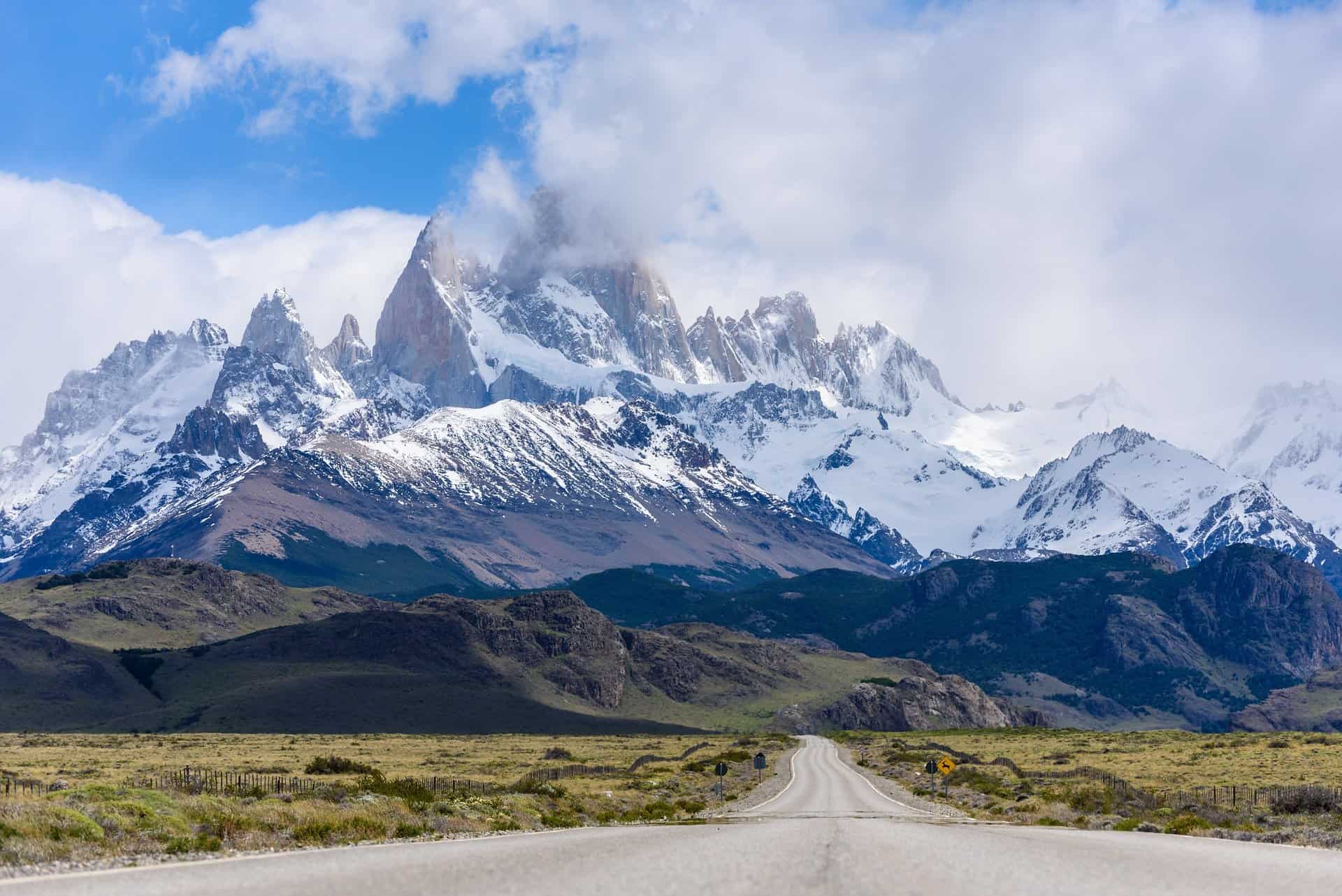
Mount Fitz Roy is another beautiful feature of Los Glaciares National Park. It sits on the borders of Patagonia, where Argentina meets Chile, with being rated the most challenging mountain to climb. Not only that, it’s the mountain we see featured on the Patagonia logo, given its significance. The mesmerizing view of the mountain is complemented by the other glacial lakes surrounding it.
This destination is perfect for climbers and hikers alike. Not only will it keep you moving, but you’ll also explore new dimensions of nature you never knew existed. So, make sure you put on the proper hiking footwear before heading there. It’s also good to keep your camera close by to capture the enchanting scenery.
3. Iguazu Falls
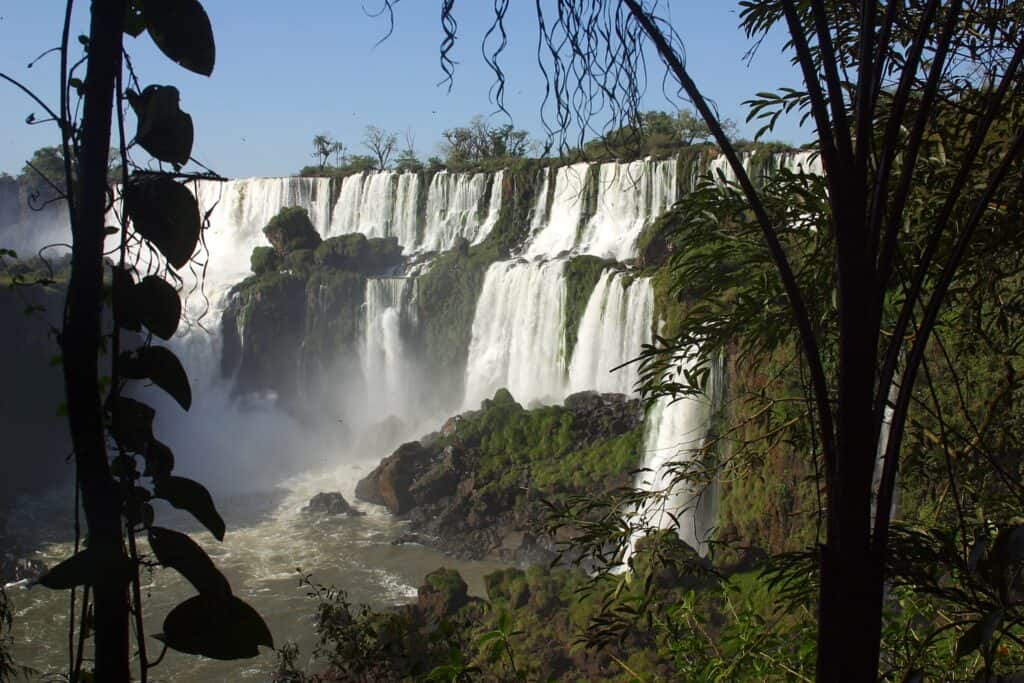
You thought the Iguazu Falls was only a Brazilian destination? Well, the good news is you get to explore them from the Argentinian side as well. These incredibly enormous volumes of waterfalls are some of the unrivaled sights in South America.
There are more than a few trails you can take to have an unobstructed view of the magnificent falls. You may as well try all the tracks presented to have different perspectives of the super incredible Iguazu Falls. Make sure you don’t miss the Devil’s Throat; it’s an area sitting at the bottom of the falls. Absorb the powerful sensations of mother nature.
4. Tierra del Fuego National Park
Tierra del Fuego is a popular archipelago in Argentina that sits at the very southernmost part of South America. This magnificent area is famous for its spacious landscapes of glaciers, lush trees, and mountains drowning in chunks of snow. Magnificent birdlife is a beautiful addition to the already tremendous area.
This national park encompasses many dramatic scenes, including waterfalls, forests, and several lakes. Fagnano and Roca are the most famous glacier-fed lakes in the area. It’s also a popular hiking spot where you can enjoy scenes of wild horses browsing. You will sense that euphoria while watching splendid vistas of sturdy mountains and cascading rivers.
5. La Cueva de las Manos (The Cave of Hands)
Caves have their own charm, and, interestingly, Argentina is home to many of them. La Cueva de las Manos, the Cave of Hands, is one of the most famous caves in the country. It sits in the renowned province of Santa Cruz in an isolated spot in Patagonia. Interestingly, several valleys surround the cave and stretch for several kilometers that you can explore.
The cave’s artistic nature draws thousands of tourists every year. Its name came out due to the hundreds of hands paintings on its walls. Those handprints mark the existence of the primitive hunters that once passed by.
6. Ushuaia: the End of the World
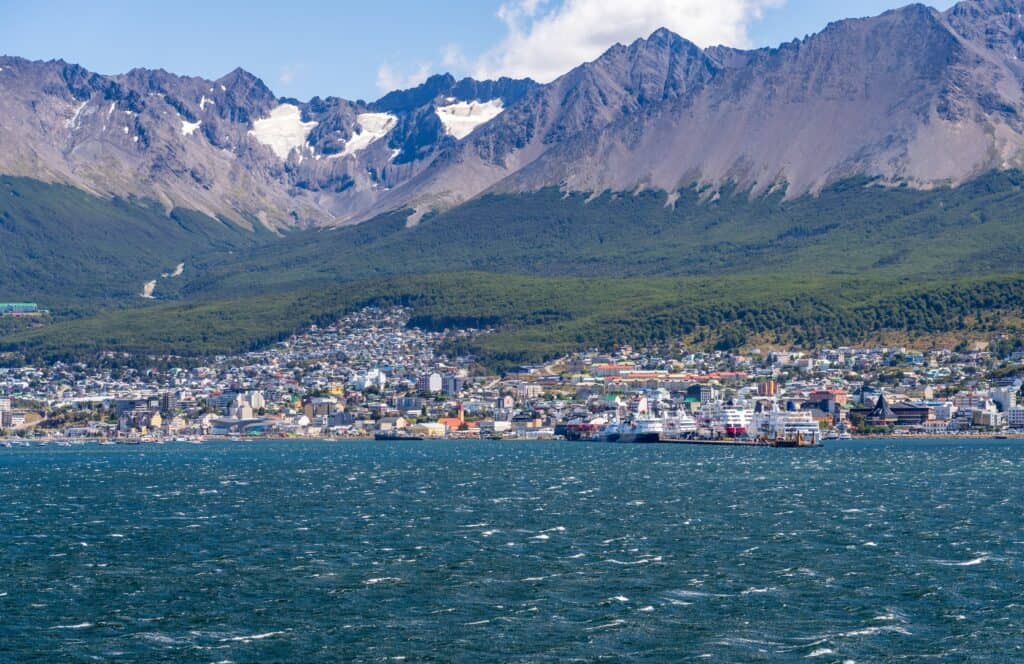
Your trip to Patagonia can never be complete if you ever miss Ushuaia. This little resort town is where the best adventures happen. It is one of the most important features of the Tierra del Fuego. Ushuaia sits in the southernmost part of the world, and its location has earned it the nickname of “the End of the World.”
Ushuaia is a site of many wonders; it’s a unique destination to explore thanks to its significant landmarks. You can spot many forms of wildlife as well as several outdoor activities. Sailing the Beagle Channel is a popular activity in Ushuaia. You will enjoy watching the diverse marine life, including dolphins, sea lions, and whales.
7. Quebrada de Humahuaca
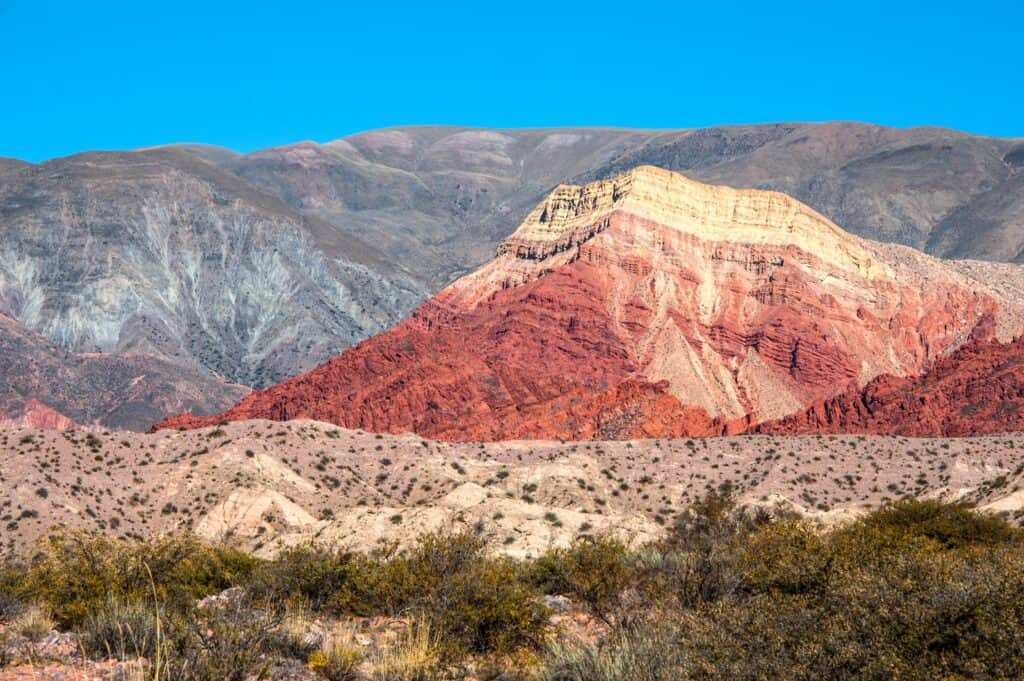
There is so much that Argentina is famous for, and, definitely, the art of rock formations is one of them. If you love to explore sites where mother nature puts its artistic touch, you shouldn’t miss Quebrada de Humahuaca. This narrow mountain valley that sits in the northern part of Argentina is a UNESCO World Heritage Site.
Wondering what to expect to see there? Well, the site is home to the beautiful Seven Colors Hill. They are rocky slopes with multiple colors; the story of their formation is also quite interesting. Every color presented in this hill took place underwater, with each forming over different periods. They are millions upon millions of years old.
8. Córdoba Cathedral
While in Argentina, it’s really essential to explore the historic city of Córdoba. It’s the second-largest Argentinian city by both area and population. Interestingly, most of the city’s fascinating buildings date back to ancient times. Thus, you will have plenty of unique architectural masterpieces to explore, including the Córdoba Cathedral.
The breathtaking view of the Córdoba Cathedral will leave you spellbound. It’s a superb combination of different styles, Neoclassical and Baroque. The church dates back to the 18th century. It is also the final resting place of several affluent figures of Argentina; their burial graves lie below the cathedral.
9. Cementario de la Recoleta (The Recoleta Cemetery)

Visiting a cemetery is not a usual travel destination among many tourists unless you’re looking for authentic Halloween vibes. Well, the Recoleta Cemetery is one of the top tourist attractions in Buenos Aires. Not only does the site display mausoleums and catacombs, but there are also fashion boutiques within the Recoleta neoclassical building. Quite odd, right?
Well, the Recoleta Cemetery is famous for being home to the tomb of Eva Peron, the most celebrated lady in Argentina. Besides, Recoleta is also the burial site of several elite members of Argentina, including Rufina Cambaceres. Rufina was a girl from an affluent family that was accidentally buried at 19. Legends have it that people occasionally spot her ghost roaming around the cemetery.
10. Mount Aconcagua
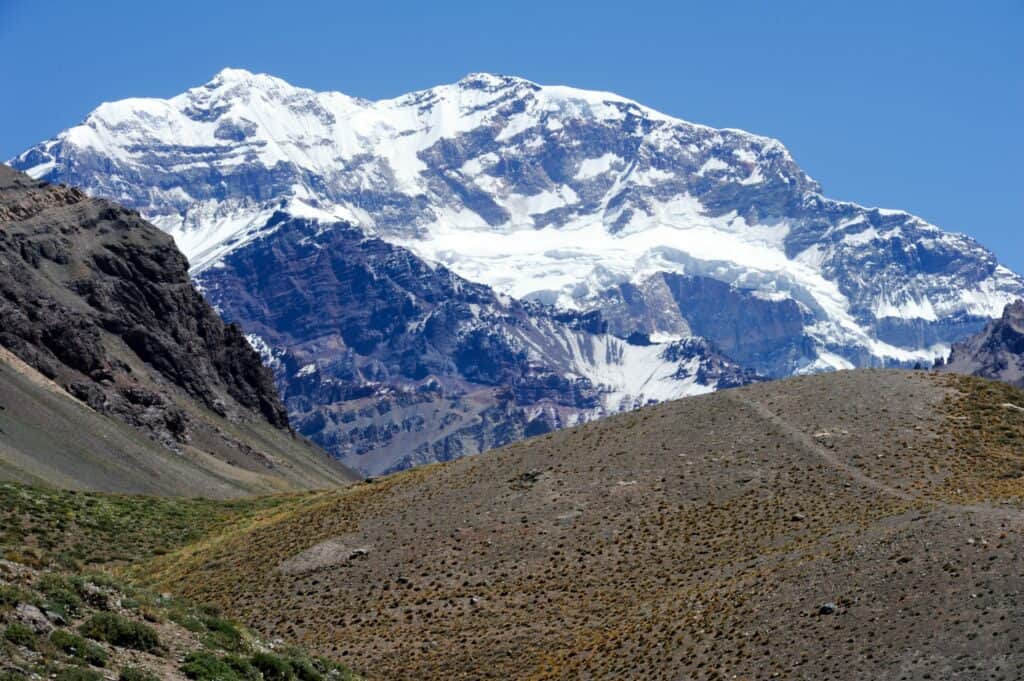
Mountains are prevalent features of Argentina. Not only do you find them almost everywhere, but there are some that people come from across the planet to see. Aconcagua is one of the prominent mountains of Argentina and the highest in both Americas. Also, it’s the largest mountain outside of Asia.
Mount Aconcagua restfully sits in the Mendoza province, in the Principal Cordillera among the Andes mountain range. It offers some of the best hiking spots, not only in Argentina but also in the whole world. The peaks of the mountains are always covered in snow, offering splendid vistas to indulge in while trekking.
11. Bariloche Myrtle Forest
The Bariloche Myrtle Forest is a magical place to be. This forest possesses unique forms of ancient trees with wide trunks, barely found elsewhere. You will discover magical flowers of saffron and white colors in those wondrous woods. Nearby lies Puerto Anchorena on Victoria Island, where lush forms of vegetation please the beholders.
This incredible forest you will find featured in Disney’s classic animation, Bambi. There is that story that professes that Walt Disney himself spent time in the woods during the making of this film. Nothing ever backed up that tale, but the magnificent Myrtle Forest undoubtedly inspired him.
12. Iberá Wetlands
Since Argentina encompasses vast lands of nature, you will come across several nature reserves that are protected areas. Iberá Wetlands is a site not to miss while in Argentina. This wetland stretches along the shores of the Ituzaingó City.
Marshes, swamps, and lagoons; thus, it is always advised to experience the site by boat. The Iberá Wetlands hosts several forms of wildlife. It is a perfect home for monkeys, wildcats, anaconda, turtles, etc.
13. Caminito
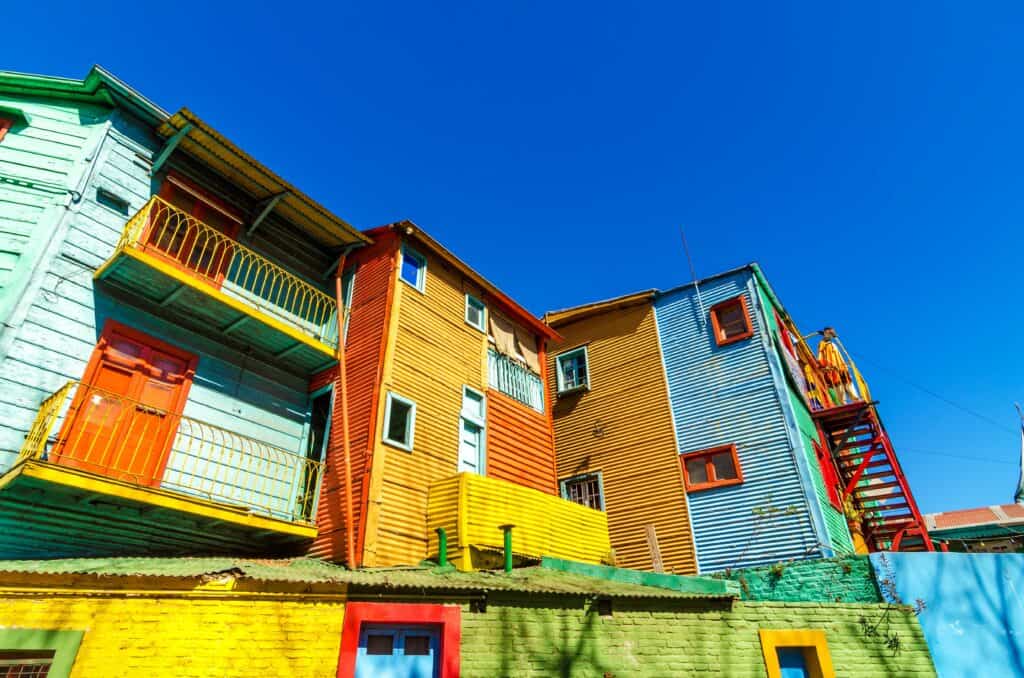
In Spanish, Caminito means little path or little walkway. Caminito is a colorful alley located in the neighborhood of La Boca in Buenos Aires. It is a popular street museum in Argentina that acquired cultural gravity.
The painted buildings are the most prominent features of the Caminito; its the main attraction of many tourists. You will also see lots of Tango happening while you’re exploring the area. Souvenirs are also a clear depiction of Tango; the site also inspired the renowned Tango Caminito in 1926.
14. Termas de Cachueta
Natural thermal spas happen to be a thing in all of South America, and Argentina is no exception. As a tourist, you need to introduce yourself to the magnificent gifts of nature presented in Argentina. You should visit Termas de Cachueta, the magnificent cavern of mud baths and thermal baths.
The Termas de Cachueta lies in Mendoza province, to which tourists flock to soak in the mud baths and hot saunas. You can relax in a thermal bath either indoors or outdoors. The outdoor versions offer breathtaking views as the Andes Mountains and Mendoza River surround the area.
15. El Volcán Lanín (Lanin Volcano)
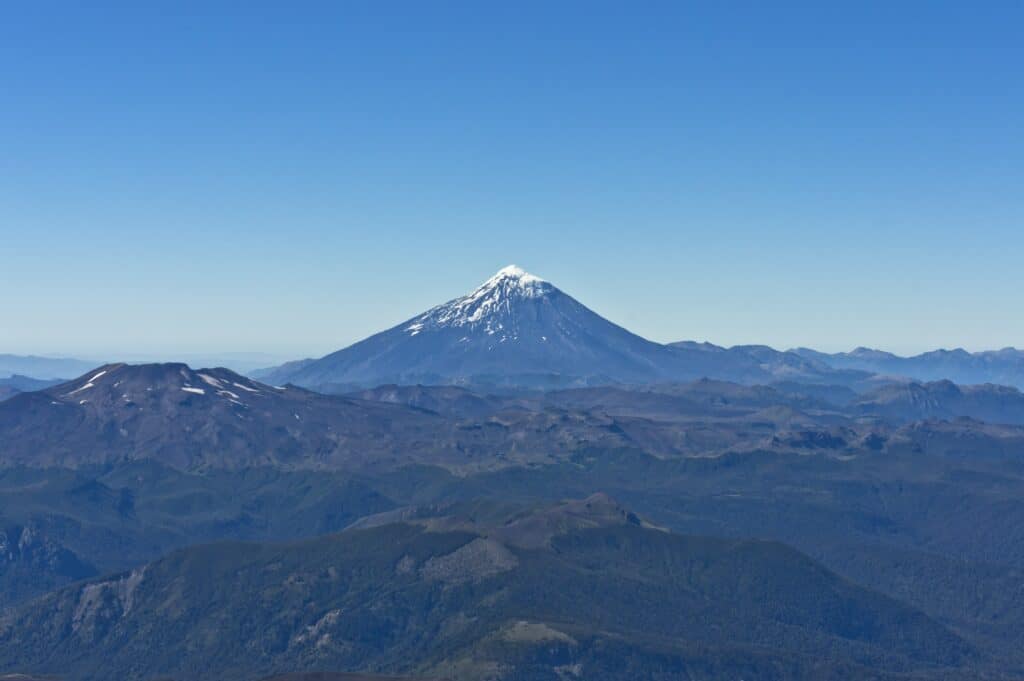
It seems that Argentina likes to share its significant landmarks with its neighbor countries, and this volcano is no exception. El Volcán Lanín is a cone-shaped volcano that lies on the country’s borders with Chile. This stratovolcano is the official symbol of Neuquén province, and you will also see the mountain featured on its flag.
This area is recommended to tourists who enjoy hiking while observing splendid picturesque natural landscapes. It also has several trails with diverse levels of difficulty as well as different perspectives for sightseeing.
16. The Route of the Seven Lakes (Ruta de Los Siete Lagos)
Patagonia is home to the most iconic landmarks in Argentina. You may come across superb destinations in different cities, but nothing could ever beat Patagonia. The latter is home to the renowned Route of the Seven Lakes, Ruta de Los Siete Lagos. It is another Argentinian destination where multicolors will fill your vision with ecstasy.
It is a paradise for die-hard adventure gurus who enjoy palatial landscapes and a taste of untouched wilderness. The Route of the Seven Lakes is one of the world’s longest roads that span along with Argentina. It is a district of lakes and mountains that stretch several miles ahead, allowing for a long hiking journey while enjoying the most scenic spots.
17. Mendoza
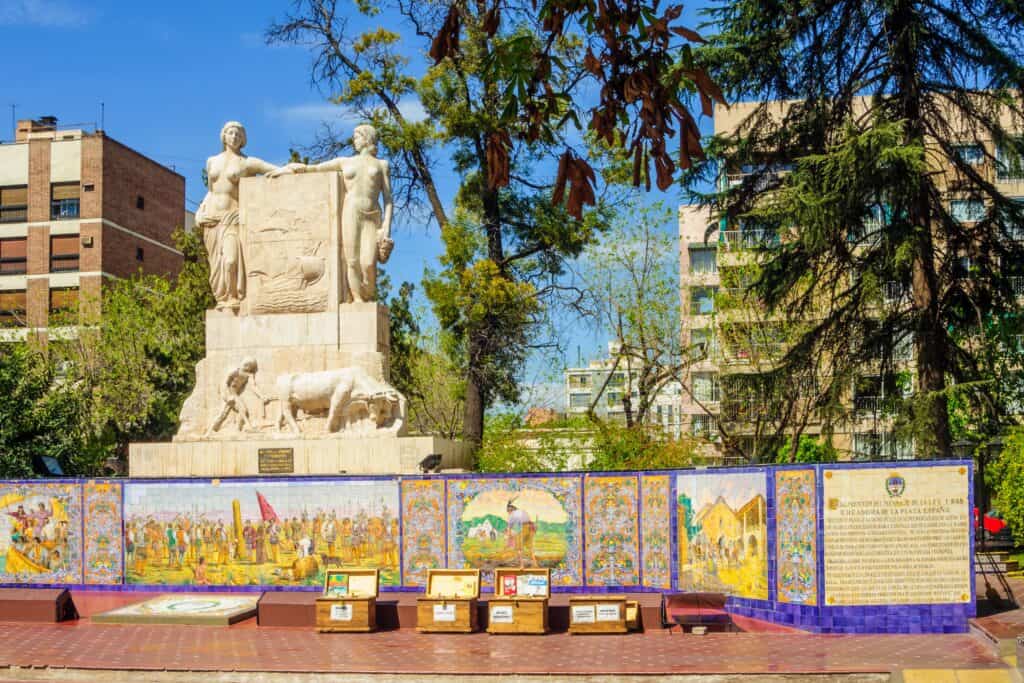
Mendoza is one of the Argentinian provinces that draw thousands of tourists every year. It is the most popular region for wine production in Argentina. Most people enjoy the winery tour conducted in the region for the multiple wine flavors they get to taste. Mendoza is popular for being home to a wide array of wine and food-based attractions. Yet, there are more things to do there.
While exploring the beautiful regions of Mendoza, you get to observe the picturesque scenes of the Andes. Besides, the Mendoza River is not only there to course through the beautiful lands of Argentina. In fact, you can enjoy whitewater rafting for an adrenaline-pumping experience. River rafting is a common activity that most people enjoy partaking while in Mendoza.
18. Martillo Island
Martillo Island is a haven in Argentina for nature and adventure lovers. It is home to a diversity of birdlife that delivers the penguins of Antarctica to you. If you can’t make it that far, heading to Martillo Island will just do. It is home to a penguin rookery where you get to watch the foolery behavior of this magnificent bird.
Besides the penguin, the rookery hosts several kinds of South American birds. These include vultures, terns, petrels, and more. If you are more into history than birdwatching, then don’t miss the Estancia Harberton. This station attracts tourists who are fond of history for housing several historic buildings and enchanting gardens.
19. Salinas Grandes – Salt Flats
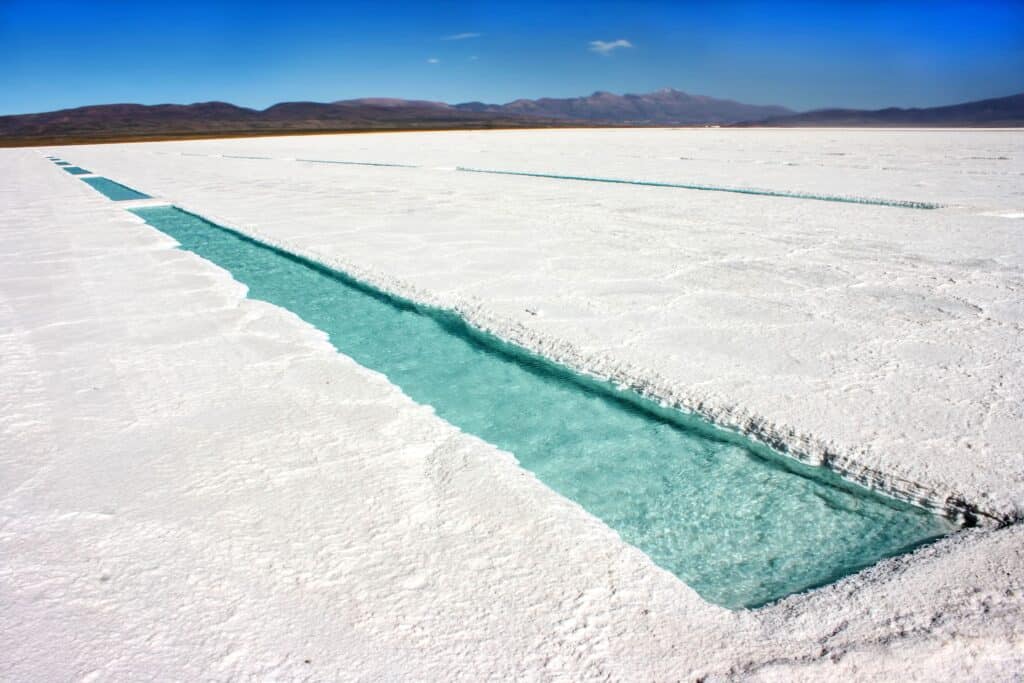
South America is popular for the abundance of salt flats around different countries, with Bolivia being the most prominent. However, Argentina has its own salt flats; the Salinas Grandes is the largest salt pan. Salinas Grandes is in central northern Argentina where it spans the borders of four different provinces. Quite large!
The flickering views of salt flats make this region worth paying a visit. Also, the blend of the salt flats with the surrounding villages makes for a splendid view. Besides, the town of Purmamarca lies nearby that you can visit on the way. It is home to several magnificent landscapes, including the reputable Cerro de Los Siete Colores (Hill of Seven Colors).
20. Nahuel Huapi National Park
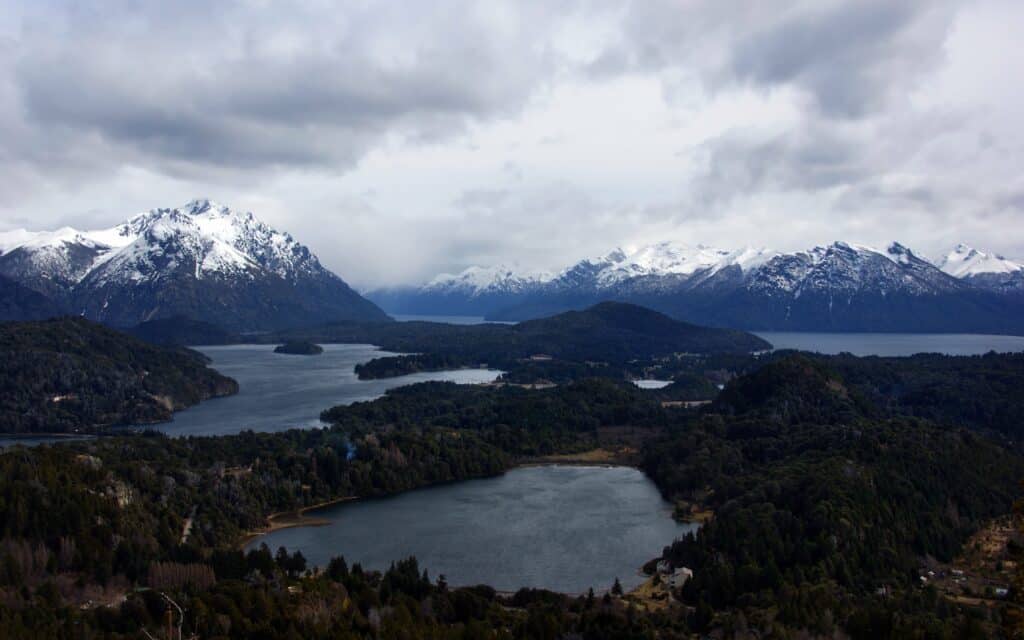
Spacious protected areas in Argentina are quite ample. They are the reason we still witness magnificent wildlife, splendid natural views, and superb volcanos and mountains. Nahuel Huapi National Park is another vast area where you can observe breathtaking elements of nature. It is in Patagonia, in the Bariloche area, specifically, and is a great destination for hikers and trekkers.
The area is filled with dazzling lake waters. It’s home to the reputable Mount Tronador, which happens to be a dormant volcano. Nonetheless, spotting different forms of wildlife is an additional feature to your trip to the national park. The area also houses several rustic cabins where adventurous souls can stay the night. You can also head to the Bariloche city lying nearby and try its prominent chocolate.
21. Valle de la Luna (The Valley of the Moon)
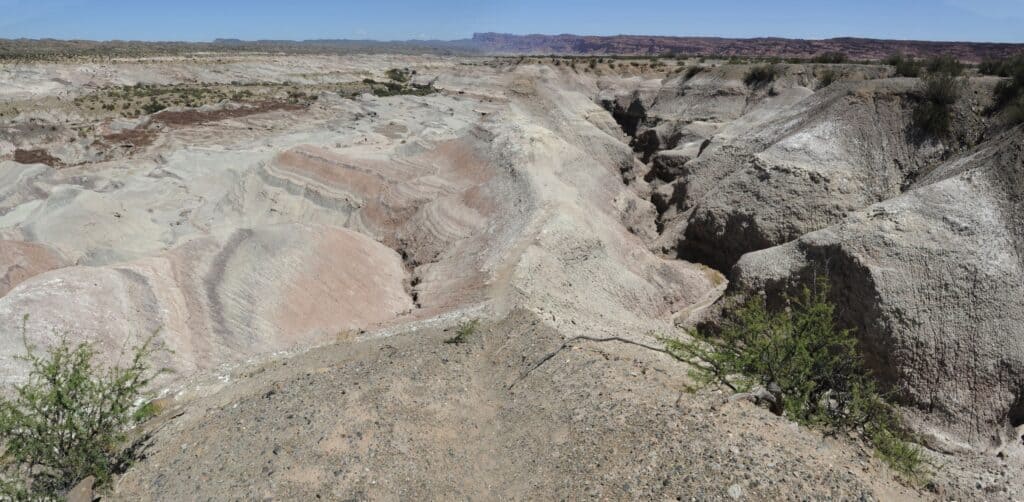
Here is one more protected nature reserve in Argentina, the Valley of the Moon or Valle de la Luna. What makes this area quite unique from other national parks and protected areas is the elements it features. The Valley of the Moon is home to the oldest dinosaur remains. Not only that, but these remains are also the only known record of continental fossils that date to the Triassic Period.
Besides, the valley also encompasses several spectral rock formations that mesmerize the visitors. The Valley of the Moon is located in San Juan Province, in the secluded northwestern part of the province precisely.
22. The Marble Caves
Again, Argentina seems to be sharing lots of its natural monuments with the neighboring South American countries. However, this time, Chile is the one to be sharing its dazzling caves with Argentina. The Marble Caves are originally located in Chile, but they can be accessed through the Argentinian side as well through Ruta 40.
These caves are among the splendid natural phenomena of the world. The caves are literally made out of marbles, resulting in these breathtaking bends. They are the result of water erosion that has been taking place for thousands of years. Paddling through the lakes of these gleaming caves is a mystical experience that you will remember for years to come.
23. Talampaya National Park
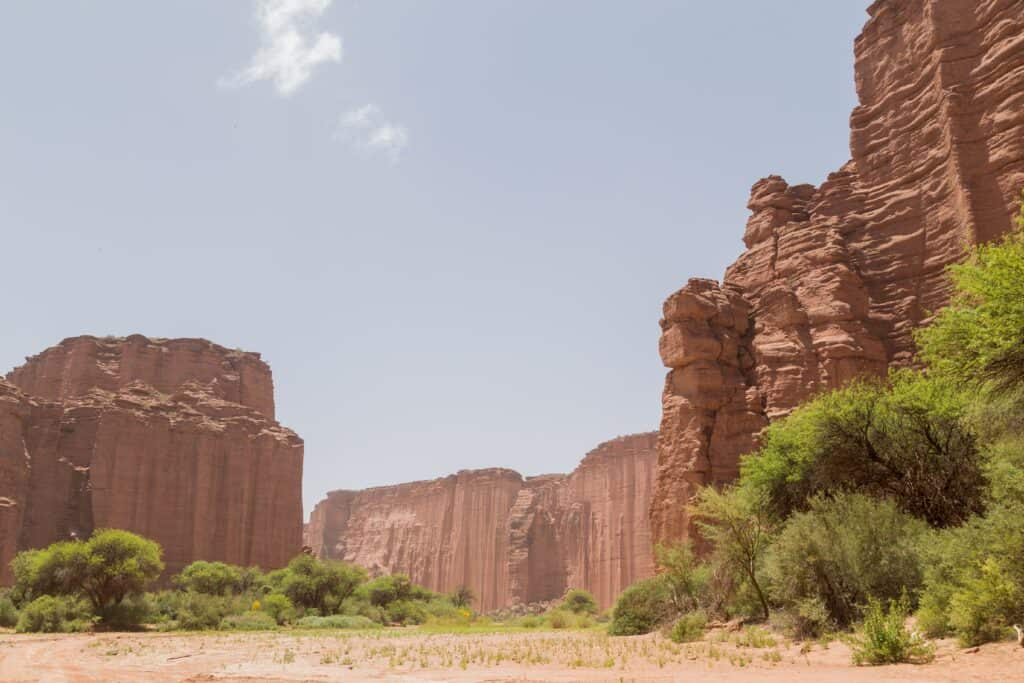
Another awe-inspiring national park in Argentina that you should not miss. It is another UNESCO World Heritage Site. This national park belongs to the province of La Rioja, and it lies just next to Valle de La Luna. It encompasses a magnificently vast desert preserve as well as a botanical garden where you can spot rare forms of flora.
There are several sightings to enjoy in this region, including wildlife as foxes, maras, and guanacos. You may spot hundreds of condors floating over the area. The impressively spacious area is home to the renowned Talampaya Canyon. It is a popular spot among hikers and trekkers where sightings of ancient rock carvings fill the area. There are also historical traces that date back to ancient times.
If you are determined to see natural landscapes and wonders, South America should be your next destination. Not only that the continent hosts an area of incredible sightings and history, but Argentina, specifically, is home to plenty of them.
Discover the Top 15 Best Places to Visit in Northern Ireland
Travel Guides
24/04/2024
How to Find the Best Scotland Travel Guide: An Ultimate Guide
Scotland
24/04/2024

The Ultimate Guide to the Best Shopping Areas in London
England
24/04/2024

The Absolute Guide to the Best Restaurants in Bath, England: Unveiling the Culinary Gems of Bath!
Food and Cuisine
24/04/2024
Planning a Trip to Scotland: Your All-Inclusive Guide to Exploring the Great Highlands
Travel Guides
23/04/2024